

Best Cat Litter Boxes With Odor Control
🏆 Top Picks at a Glance
 #1
#1
Best Overall
Self Cleaning Litter Box,Open Top Automatic Litter Box with App Control for Multiple Cats, Safety Sensors Protection, Odor Control Includes 2 roll Liners,Large Waste Bin, Cream White
$116.54
Check Price → #2
#2
Runner Up
Tevila Extra Large Stainless Steel Litter Box with Lid, High Sided Enclosed Metal Cat Litter Pan, Dog Proof Front Entry Top Exit, Odor Control Easy Clean Leak Proof, Includes Mat, Scoop & Step, Black
$59.99
Check Price →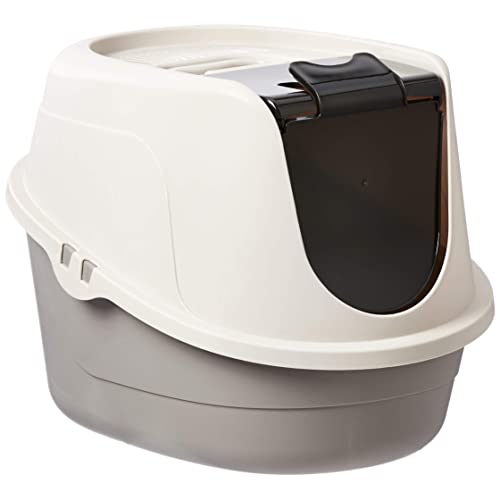 #3
#3
Best Value
Amazon Basics No-Mess Hooded Enclosed Cat Litter Box with Odor Control and Swinging Door, Large, 24" x 18" x 17", Multicolor
$53.23
Check Price →Our Top Picks
Affiliate disclosure: if you buy through these links, we may earn a commission at no extra cost to you.
Factors to Consider
Size and fit for your cat
⚡ Quick Answer
Start with size: your cat should be able to turn around, dig, and cover waste without stepping out. A box roughly 1.5 times your cat’s body length is a practical guideline; for many adult cats that means a box around 16–18 inches long. If you share your home with more than one cat or have a larger breed, consider two boxes or a larger interior to reduce crowding and stress. Pet parent tip: keep a box on each level of the home so your cat has a nearby option during busy mornings or travel days.
Table of Contents
Odor-control features and litter compatibility
Enclosed designs can help trap odors and keep them contained, but some cats prefer open boxes for easy access. If you notice shy or skittish behavior around a hooded box, try a model with better ventilation or a peek-a-boo opening. Look for odor-control options like carbon filters, durable liners, and easy-wipe interiors that make cleaning quicker. Pet parent tip: pair odor-control features with routine scooping for best results during rushed mornings or after guests arrive.
Ease of cleaning and maintenance
Choose boxes with smooth, rinse-ready interiors and removable lids or tops that make scooping a breeze. Deeper pans and high walls can trap waste better, but ensure you can reach corners when you clean or sanitize. A design that supports liners and simple wipe-downs saves time and reduces daily stress for you and your cat. Pet parent tip: set aside a 5-minute daily cleaning window to stay ahead of odor buildup and keep the routine calm for anxious cats.
Safety, durability, and senior/anxious-cat considerations
For older joints or arthritic cats, look for low-entry designs, wide ramps, and a non-slip base to prevent slips. Durable materials and a stable build help prevent tipping if you have curious or playful cats. Quiet operation and predictable performance can ease anxiety around litter time for sensitive pets. Pet parent tip: observe how your cat approaches a new setup and be ready to swap to a simpler design if hesitation lasts more than a few days.
Frequently Asked Questions
1. What size litter box should I buy for a single adult cat?
A common rule of thumb is to choose a box that is at least 1.5 times the cat’s body length, giving enough room to turn and dig. Vet behavior guidelines often suggest one litter box per cat, plus one extra, to reduce territorial stress and accidents. If your home has a large area or a busy schedule, adding another box on a different level can help your cat stay compliant with litter time.
2. Is a hooded or open litter box better for odor control?
Hooded boxes can trap odors more effectively and keep them contained, which is helpful in open-plan homes. However, some cats prefer open boxes for easier access, especially if they have mobility issues or anxiety about confined spaces. Research and practical experience suggest observing your cat’s comfort first; you can always start with a semi-covered design and adjust as needed.
3. How often should I scoop and change the litter to control odors?
Daily scooping is generally recommended to prevent odor buildup and reduce accidents. Full litter changes and box cleaning are typically advised every 1–2 weeks, depending on the litter type, box size, and number of cats. Regular maintenance supports better litter acceptance and overall cat welfare, especially for households with anxious or picky cats.
4. Do activated carbon filters or liners really help with odors?
Activated carbon filters can help absorb and reduce persistent odors in enclosed boxes, particularly between cleanings. Liners can speed up weekly changes and keep the interior cleaner, but they should fit securely to avoid jamming the scoop. In practice, a combination of carbon filtration plus consistent cleaning provides the best odor management.
5. Are self-cleaning litter boxes safe for cats?
Self-cleaning boxes offer convenience, but some cats may be startled by the motion or noise. If your cat is sensitive, introduce the device gradually and monitor their response over several days. Veterinary guidance emphasizes that any automatic feature should complement, not replace, regular supervision and cleaning when needed.
6. What should I consider for senior or arthritic cats?
For seniors, prioritize low-entry designs, wide rims, and non-slip surfaces to reduce strain and improve accessibility. A box that’s easy to reach and stable helps your cat maintain a regular bathroom routine, which is important for overall comfort and health. Studies on feline welfare emphasize predictable routines and accessible design to support aging pets.
7. How should I place litter boxes in a home with multiple cats?
Place boxes in quiet, low-traffic areas and supply at least one box per cat plus one extra, spread across different parts of the home. Placing boxes away from the feeding area and near favorable walking routes reduces avoidance and accidents. Research in feline behavior supports multiple options and well-separated locations to encourage litter box use.
Conclusion
Choosing the right odor-control litter box is about fit, ease of use, and routine that your cat can thrive with. With thoughtful selection and regular, gentle cleaning, you’ll keep odors down and your feline companion comfortable.
Pet parent tip: establish a simple daily cleaning ritual and observe your cat’s response to any new setup; adjustments often lead to calmer mornings and a happier, healthier home. If doubts arise, don’t hesitate to consult your veterinarian for personalized guidance.


