

Best Ear Cleaners For Healthy Pets
🏆 Top Picks at a Glance
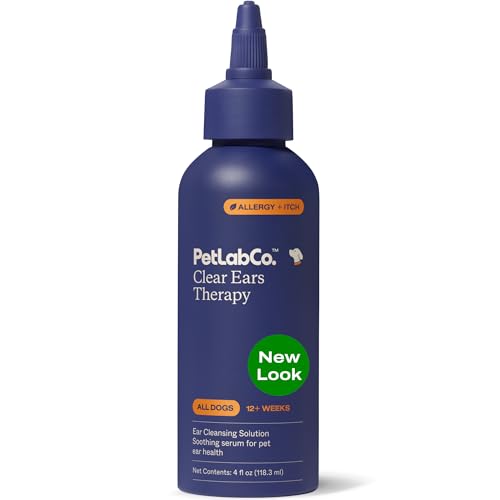 #1
#1
Best Overall
PetLab Co. - Clear Ears Therapy Ear Cleaner for Dogs - Supporting Yeast, Itchy Ears & Healthy Ear Canals - Alcohol-Free Dog Ear Wash - Optimized Dog Ear Cleaner Solution - Packaging May Vary
$19.95
Check Price → #2
#2
Runner Up
HICC PET Ear Cleaner Finger Wipes for Dogs & Cats, Vet-Recommended Dog Ear Infection Treatment to Relief Itching & Inflammation, Remove Wax, Dirt & Stop Smelly, Non-Irritating, 50ct(Coconut Scent)
$18.99
Check Price → #3
#3
Best Value
Pet MD - Dog Ear Cleaner Wipes - Otic Cleanser for Dogs to Stop Ear Itching, and Infections with Aloe and Eucalyptus - 100 Count
$14.99
Check Price →Our Top Picks
Affiliate disclosure: if you buy through these links, we may earn a commission at no extra cost to you.
Factors to Consider
Gentle, pH-balanced formulations
⚡ Quick Answer
Look for ear cleaners that advertise a neutral or near-neutral pH and avoid harsh alcohols or strong fragrances, which can irritate ears. A gentle, pH-balanced base is more forgiving for daily use and for pets with seasonal allergies. When used as directed, these formulas support a calm routine that fits into your morning and evening pet care.
Table of Contents
Pet Parent Tip: Start with a fragrance-free option labeled for veterinary or consumer use and follow the product’s directions to avoid over-wetting the ear canal.
Active ingredients and safety for dogs vs cats
Choose products with ingredients that are appropriate for your pet species; saline-based cleansers with mild soothing additives are often safest for daily use. Cats are particularly sensitive to essential oils and certain antiseptics, so avoid products that contain added fragrances or oils. If your pet has a history of dermatitis or ear irritation, talk with your veterinarian before using stronger antiseptics like chlorhexidine or acetic-acid formulas.
Pet Parent Tip: For cats, opt for a feline-specific, fragrance-free option and avoid essential oils to reduce the risk of irritation or toxicity.
Application design and ease of use
Choose a bottle with a soft nozzle or pre-measured drops to help you apply next to the ear canal without forcing solution too deep. A well-designed applicator reduces spills and makes cleaning easier for anxious pets.
If your pet tends to squirm, pair cleaning with a calm routine and treats to keep sessions short.
Pet Parent Tip: Warm the bottle between your hands for a moment to reduce the chilly sensation that can startle sensitive ears.
Frequency and scope: routine cleaning vs infection management
For healthy ears, a light cleaning 1-2 times a week during shedding seasons or after outdoor activity can help reduce wax buildup. If you notice redness, odor, discharge, or frequent scratching, stop and contact your veterinarian for an evaluation.
Do not try to treat suspected infections with home cleaners alone; medications and a proper plan are often needed, and misuse can worsen the problem.
Pet Parent Tip: If your vet has prescribed medicated drops, follow their directions and don't mix products unless advised.
Travel, seniors, and safety considerations
Keep a small, fragrance-free cleaner in your travel kit and store it away from heat and direct sun. Choose a formula that stays gentle after exposure to water and humidity, which can be common on trips.
For senior pets, select a softer formula and avoid strong fragrances that can irritate aging ears.
Pet Parent Tip: Practice a quick, calm cleaning routine at home before travel so your pet stays relaxed when you clean on the road.
Frequently Asked Questions
How often should I clean my pet's ears?
Frequency depends on the individual pet and ear health. For many dogs and cats with normal ears, cleaning once a week or every other week helps remove surface wax and debris without overdoing it. Always follow your veterinarian’s guidance, especially if your pet has a history of ear issues.
Can I use hydrogen peroxide to clean my pet's ears?
Hydrogen peroxide can irritate delicate ear tissue and may delay healing in some cases, so many veterinarians prefer saline-based or milder cleansers. If you’re unsure, choose a product designed specifically for ears and avoid repeated use of peroxide unless advised by a professional.
Are ear cleaners safe for cats and dogs?
Yes, when you pick species-specific formulations and follow directions. Cats are particularly sensitive to essential oils and fragrances, so avoid products that contain added oils or scents. If your pet has a history of ear irritation, consult your veterinarian before trying a new cleaner.
What ingredients should I look for or avoid?
Look for a gentle, pH-balanced base such as saline or mild antiseptics used at vet-recommended concentrations. Avoid high alcohol content, strong fragrances, and essential oils for cats, as well as hydrogen peroxide in routine cleanings unless your vet approves it.
My pet has an ear infection—can I treat at home?
Ear infections often require a veterinary diagnosis and prescription meds to address the underlying issue. Home cleaners alone may not resolve the problem and could allow the infection to worsen. Schedule a visit if you notice discharge, foul odor, or persistent scratching.
What's the best way to apply ear cleaner to a resistant or anxious pet?
Go slowly, use a calm voice, and offer short, positive sessions with rewards to reduce stress. Have a friend help gently hold the head and keep hands steady, especially with wiggly pets.
Should I wipe away excess cleaner or let it dry?
Follow the product’s directions, but in general you should gently massage the base of the ear to help loosen debris, then wipe away excess with a soft cloth. Allow the cleaner to neutralize or dry for a moment if the instructions suggest it; avoid leaving ears overly moist.
Conclusion
Choosing a gentle, vet-approved ear cleaner is a smart step toward ongoing ear health for dogs and cats. Pair regular, mindful cleaning with prompt veterinary care for any signs of infection, and your pet will stay more comfortable through seasonal changes and travel.


