Best Probiotics for Pet Digestion
🏆 Top Picks at a Glance
 #1
#1
Best Overall
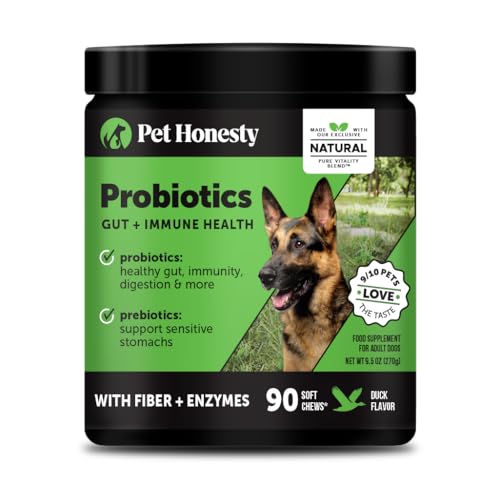
Zesty Paws Probiotics for Dogs - Probiotics for Gut Flora, Digestive Health, Occasional Diarrhea & Bowel Support - Clinically Studied DE111 - Functional Dog Supplement Soft Chew for Pet Immune System
$32.97
Check Price → #2
#2
Runner Up
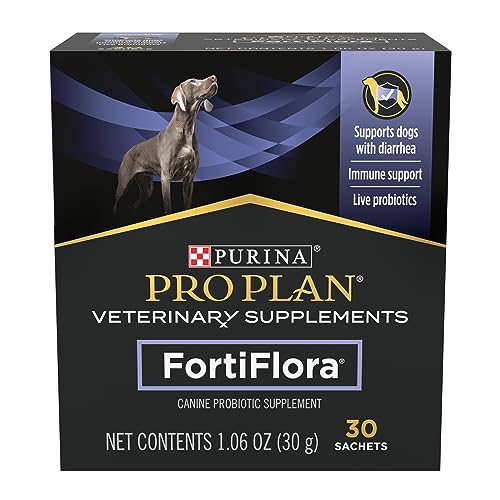
Purina Pro Plan Veterinary Supplements FortiFlora Daily Probiotics for Dogs, Helps Digestive Gut Health and Diarrhea - 30 ct. Box
$30.99
Check Price → #3
#3
Best Value
Native Pet Probiotics for Dogs – Dog Probiotic Powder for Gut & Digestive Health, Vet-Formulated 6B CFUs Dog-Specific Probiotic Strains, Supports Stool Quality & Diet Transitions – 30 Scoops
$19.99
Check Price →⚡ Quick Answer
Quality probiotics can transform a pet’s digestive health by restoring gut balance and reducing symptoms like gas, upset stomach, and irregular bowel movements. Look for strain-specific products with at least 7.5 billion CFU per dose, such as Lactobacillus acidophilus for improved stool quality or Enterococcus faecium for diarrhea reduction. Powder forms typically offer better stability than pills, though convenience matters most—unused probiotics gathering dust won’t help anyone. Choosing the right probiotic depends on your pet’s specific needs and personality.
Table of Contents
Main Points
- Choose strain-specific probiotics like Lactobacillus acidophilus for dogs or Bifidobacterium adolescentis for cats to target digestive issues effectively.
- Look for products containing at least 7.5 billion CFU per dose with research-backed strains for therapeutic digestive benefits.
- Select probiotics based on specific needs: Enterococcus faecium reduces diarrhea while multi-strain products provide comprehensive gut support.
- Powder forms offer better stability and dosing accuracy compared to pills, especially for finicky cats and precise administration.
- Avoid products with vague ingredient lists; choose probiotics with sufficiently characterized microorganisms and established safety criteria.
How Probiotics Support Your Pet’s Digestive Health
When pet parents notice their furry friends dealing with upset stomachs, gas, or irregular bowel movements, probiotics offer a natural first line of defense that works from the inside out.
These beneficial bacteria restore balance to your pet’s gut microbiota by crowding out troublemakers like E. coli while boosting helpful strains such as Lactobacillus and Bifidobacterium.
Probiotics act as microscopic guardians, eliminating harmful bacteria while strengthening beneficial microbes that keep your pet’s digestive system thriving.
The probiotic benefits extend far beyond basic digestion. They strengthen intestinal immune defenses, reduce inflammation, and produce healing compounds like short-chain fatty acids.
Your pet’s gut literally becomes a fortress against harmful invaders.
Think of probiotics as tiny construction workers rebuilding your pet’s digestive foundation. They improve nutrient absorption, normalize bowel movements, and support faster recovery from antibiotic treatments. Many pet probiotics come in appealing flavors like beef or chicken to make administration easier for pet owners. Research shows that probiotics can also help pets remain calm through their connection with the gut-brain axis. Studies demonstrate that dogs with inflammatory bowel disease have shown improvements with probiotic consumption.
Simple support, powerful results.
Top Probiotic Strains and Products for Dogs and Cats
While the probiotic market overflows with promises and fancy labels, the strains that actually move the needle for pet digestive health have solid research behind them.
The best probiotic sources come directly from healthy dogs and cats themselves – these host-specific strains actually stick to your pet’s intestinal walls instead of just passing through like tourists.
Here are the proven champions for strain benefits:
- Lactobacillus acidophilus – improves poop quality and kicks harmful bacteria to the curb
- Enterococcus faecium – reduces diarrhea rates, especially from dog-derived sources
- Bifidobacterium adolescentis – cat-specific powerhouse with antimicrobial superpowers
- Ligilactobacillus animalis – dominates dog digestive tracts while blocking troublemakers
Multi-strain products like VetriScience and Purina FortiFlora combine these workhorses effectively. For optimal potency, look for products containing 7.5 billion CFU per dose, which provides therapeutic levels for digestive support. These probiotics are particularly important for maintaining digestive balance in cats, where an imbalance of gut bacteria can lead to digestive upset or anxiety. Many pet owners don’t realize that probiotics can be safely introduced to puppies and kittens as early as day 3 after birth to help establish healthy gut bacteria.
Choosing the Right Probiotic for Your Pet’s Needs
How does a pet parent navigate the probiotic maze without getting lost in marketing fluff?
Start with strains specificity. Your golden retriever’s gut isn’t your gut—pet-derived strains outperform human ones every time. Look for products targeting your pet’s specific issues. Chronic diarrhea? Different strain than general digestive support.
Safety assurance matters more than fancy packaging. Skip products without clear strain identification or third-party testing. Those “proprietary blends” hiding ingredient details? Red flag territory. Products must contain sufficiently characterized microorganisms that meet established safety criteria for their intended use.
Check for actual research. Not testimonials from “happy customers,” but real clinical trials on pets. Bacillus subtilis survives shelf life better than delicate strains that die before reaching your pet’s bowl. Products need adequate viable microbes at the time of consumption to deliver promised health benefits.
Finally, consider your pet’s personality. Pills for treat-motivated dogs work great. Powder mixed in food suits picky cats better. Powder forms typically offer better stability and more accurate dosing than other supplement types. Convenience matters—unused probiotics help nobody.
Frequently Asked Questions
How Long Does It Take to See Results From Pet Probiotics?
Pet owners typically observe visible improvement within 4-7 days of consistent probiotic administration. The probiotic duration for optimal gut microbiome support requires 4-6 weeks, helping pets achieve firmer stools and reduced digestive distress effectively.
Can Probiotics Cause Side Effects or Make My Pet Sick?
While generally safe, probiotics can occasionally cause temporary digestive upset like diarrhea or gas as pets adjust. Proper probiotic dosage prevents most issues, though rare pet allergies may occur, requiring immediate veterinary attention for optimal care.
Should I Give Probiotics With or Without Food?
Probiotics should typically be given with food to optimize probiotic timing and food interaction. Food buffers stomach acid, protecting beneficial bacteria while reducing digestive upset, ensuring pet owners can provide maximum therapeutic benefits.
Can I Give Human Probiotics to My Dog or Cat?
Why risk pet health with untested solutions? While human probiotic safety isn’t guaranteed for pets, veterinary-specific formulations ensure proper pet probiotic dosage and strain effectiveness, helping caregivers provide optimal digestive support for their beloved animals.
How Should I Store Pet Probiotics to Maintain Effectiveness?
Proper storage conditions require refrigeration between 2-8°C for most pet probiotics to maximize probiotic shelf life. Keep containers in dark, dry places away from heat and humidity to preserve bacterial viability for pets.
Conclusion
Choosing the right probiotic transforms your pet’s digestive system into a thriving garden of beneficial bacteria. Start with single-strain options for sensitive pets. Multi-strain formulas work wonders for general maintenance. Check CFU counts—higher isn’t always better. Your furry friend’s unique needs matter most. When in doubt, consult your vet. Because nothing beats watching your pet bounce back to their tail-wagging, treat-begging, gloriously healthy self again.
References
- https://www.businessinsider.com/guides/pets/best-probiotics-for-dogs
- https://pmc.ncbi.nlm.nih.gov/articles/PMC10609632/
- https://pmc.ncbi.nlm.nih.gov/articles/PMC11205573/
- https://petjope.com/blogs/ingredients/best-probiotic-for-dogs
- https://www.petmd.com/dog/general-health/probiotics-dogs-what-you-need-know
- https://thepetlabco.com/collections/probiotics
- https://www.petmd.com/dog/vet-verified/best-probiotics-for-dogs
- https://vetmed.tamu.edu/news/pet-talk/probiotics/
- https://www.vetspecialists.co.uk/fact-sheets-post/probiotics-use-in-cats-and-dogs-fact-sheet/
- https://isappscience.org/using-probiotics-to-support-digestive-health-for-dogs/
See Also
Frequently Asked Questions
How do I choose the right probiotic for my pet's specific digestive issues?
Select a product with at least 7.5 billion CFU per dose that targets your pet's specific symptoms, such as gas or irregular bowel movements. Ensure the supplement contains strain-specific formulations designed for either dogs or cats, rather than generic blends.
What is the best probiotic dosage for restoring gut balance in pets?
Look for high-potency supplements containing a minimum of 7.5 billion CFU per dose to effectively restore gut flora. Always follow the manufacturer's feeding guidelines based on your pet's weight and severity of digestive distress.
Is it worth investing in strain-specific probiotics for my dog or cat?
Yes, strain-specific products are more effective because they target the unique gut microbiome needs of dogs versus cats. Generic supplements often lack the specific bacterial strains required to resolve issues like upset stomachs efficiently.
How do I know if a probiotic supplement will reduce gas and bloating in my pet?
Choose products that explicitly list clinically studied strains known to reduce fermentation gases in the gut. Consistent daily administration is key to seeing reductions in symptoms like excessive flatulence and irregular bowel movements.
How can I tell if a probiotic product is suitable for my pet's current health status?
Review the label to ensure it contains at least 7.5 billion CFU and includes strains appropriate for your pet's species. Consult your veterinarian before starting any new supplement, especially if your pet has underlying health conditions.
What should I look for on a probiotic label to ensure quality?
Prioritize products that specify the exact bacterial strains included rather than just listing 'probiotic blend.' Verify that the CFU count is guaranteed at the time of manufacture and that the product is formulated for either dogs or cats specifically.