Capstar vs Comfortis for Spring Flea Prevention in Dogs: A Veterinarian's Guide
Capstar vs Comfortis for Spring Flea Prevention in Dogs: A Veterinarian's Guide
Spring arrives with warmer weather—and unfortunately, with flea season. If you're a conscientious dog parent noticing the first scratching sessions or tiny black specks in your pup's coat, you're probably weighing your flea prevention options. Two names come up constantly: Capstar (nitenpyram) and Comfortis (spinosad). Both are oral treatments that work fast, but they approach the flea problem differently—and choosing between them depends on your dog's lifestyle, your prevention timeline, and what "fast relief" really means for your situation.
In this guide, I'll walk you through how these two oral treatments work, when each shines, and what real dog parents should know before heading to the pharmacy or vet clinic. My goal is to help you make an informed choice that keeps your dog comfortable while supporting your overall flea prevention strategy this spring.
Quick Verdict
Choose Capstar if...
- Your dog is currently scratching or you see active fleas (need relief within 30 minutes)
- You need an immediate emergency flea knockdown before other treatments kick in
- You're using it as a bridge while starting a longer-term monthly prevention
- Your dog has a sensitive system and you want the shortest duration treatment possible
Choose Comfortis for Spring Flea Prevention if...
- You're looking for extended protection (up to 30 days) from a single dose
- Your dog spends significant time outdoors or in high-flea-exposure environments
- You want to reduce the frequency of treatments needed during spring and summer
- Your vet recommends spinosad-based products for your dog's health profile
| Factor | Capstar (Nitenpyram) | Comfortis (Spinosad) |
|---|---|---|
| Speed of Action | 15–30 minutes; kills adult fleas rapidly | 30 minutes to 2 hours; kills adult fleas and flea eggs |
| Duration of Protection | 24–48 hours (very short-term) | Up to 30 days (month-long protection) |
| Best Use Case | Emergency relief; active infestation; bridge therapy | Spring/summer season prevention; outdoor dogs; extended coverage |
| Price Range (Typical) | $15–$25 per dose (budget-friendly) | $25–$40+ per dose (more expensive) |
| Dosing Frequency | Can repeat every 24 hours if needed | Once per month during flea season |
| Key Advantage | Ultra-fast knockdown; safe for puppies 2+ weeks old | Long-lasting; also kills flea eggs; fewer doses needed |
| Main Drawback | Extremely short protection window; not preventative | Slower initial onset; requires prescription in many regions |
About Capstar
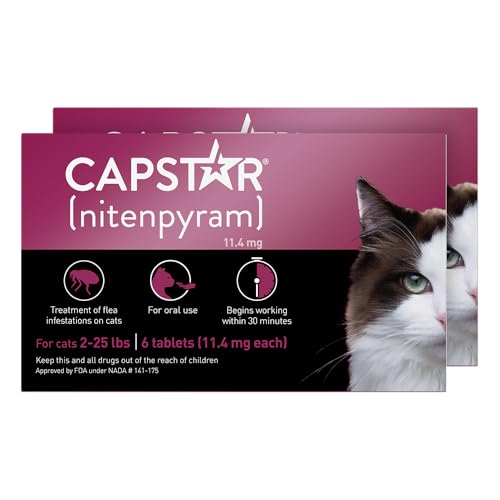
Capstar contains nitenpyram, a neonicotinoid insecticide that acts as an adult flea executioner. When your dog swallows that tablet, nitenpyram enters the bloodstream and targets the nervous system of adult fleas feeding on your dog's blood. Within 15 to 30 minutes, fleas begin dying—and by 4 hours, 95% of adult fleas are gone. It's the closest thing to "instant relief" in the flea treatment world, which is why many vets recommend it as emergency intervention when a dog arrives with visible fleas and obvious distress from scratching.
Here's the critical catch: Capstar is a flea knockdown treatment, not a preventative. It kills what's there today, but it provides only 24 to 48 hours of protection. New fleas can reinfest within that window. This is why responsible veterinarians view Capstar as a tool for acute situations—a scratch-relief bridge while you establish a longer-term prevention strategy (like a monthly topical or oral preventative). Capstar is also remarkably safe; it's approved for puppies as young as 2 weeks old and typically has minimal side effects in healthy dogs.
About Comfortis (Spinosad)
Comfortis contains spinosad, an organic compound derived from soil bacteria that's been used in agriculture for decades. This oral treatment kills both adult fleas and flea eggs—a key distinction. Spinosad disrupts the nervous system of fleas, and because it also prevents flea eggs from developing, it interrupts the breeding cycle more effectively than a simple adult-kill treatment. Within 30 minutes to 2 hours, you'll see visible relief, though it's slightly slower than Capstar's 15-minute window.
The big advantage of Comfortis is duration: a single dose provides up to 30 days of protection. For spring and summer months when flea pressure peaks, this means fewer doses throughout the season. Many veterinarians favor spinosad-based products for dogs with outdoor exposure or living in humid climates where flea populations explode. Comfortis does require a veterinary prescription in most regions, which means a vet visit—but that consultation also ensures your dog is a good candidate for the treatment and that you're not missing any underlying skin conditions that fleas may be masking.
Head-to-Head: Speed of Relief
Capstar wins the sprint, but Comfortis wins the marathon. If your dog is visibly uncomfortable—scratching constantly, restless, showing signs of flea allergy dermatitis—Capstar's 15 to 30-minute knockdown is unbeatable. Dog parents often report seeing their pup settle and stop scratching within an hour of giving Capstar. That immediate relief is emotionally powerful for both dog and owner.
Comfortis takes slightly longer (up to 2 hours), so if you're dealing with an acute, distressing infestation, Capstar is the faster choice. However, Comfortis offers protection for 30 days, meaning you're preventing future scratching episodes entirely rather than just treating the current crisis. For spring prevention—catching fleas before they become a miserable problem—Comfortis is the smarter, less reactive choice.
Head-to-Head: Duration and Long-Term Strategy
This is where Comfortis becomes the practical winner for spring flea season planning. A dog on Capstar is protected for 24–48 hours. If fleas are abundant in your environment (which they are come spring), your dog will likely be reinfested shortly after. You'd need to dose Capstar repeatedly—potentially every 24 hours—to maintain continuous protection throughout the season. That's a lot of pills, a lot of cost accumulation, and a lot of room for human error.
Comfortis' 30-day protection means four doses gets you through the entire warm season. Fewer doses, fewer opportunities to forget, and more predictable ongoing protection. If your dog is an outdoor adventurer or spends time in areas where you can't control flea exposure, Comfortis is the adult dog parent's practical choice for spring and summer. Capstar still has its place—emergency relief when fleas appear unexpectedly—but as a standalone strategy, it's exhausting.
Head-to-Head: Ingredient Profile and Safety
Both nitenpyram (Capstar) and spinosad (Comfortis) are approved by the FDA for use in dogs and carry solid safety profiles in healthy animals. Capstar is a synthetic neonicotinoid; Comfortis is derived from naturally occurring soil bacteria, which appeals to many holistically-minded pet parents (though "natural" doesn't automatically mean "safer"—safety is about mechanism, dose, and individual dog health factors). Both work systemically, entering the bloodstream to reach fleas.
The practical safety difference: Capstar's ultra-short duration means any potential side effects are brief. Comfortis, lasting 30 days, requires more careful screening of your dog's health status beforehand. Dogs with neurological sensitivity, certain medications, or underlying health conditions need veterinary assessment before Comfortis. This is actually a strength—the vet consultation ensures you're not missing important health context. Capstar's ease of access means some dog parents use it without vet input, which is fine for acute emergencies but not ideal as a routine prevention plan.
Head-to-Head: Cost Effectiveness
On a per-dose basis, Capstar appears cheaper ($15–$25 per tablet vs. $25–$40+ for Comfortis). But cost-per-day-of-protection tells a different story. Capstar costs roughly $12–$15 per day of protection (dividing the dose cost by 24–48 hours). Comfortis costs roughly $0.80–$1.30 per day of protection (dividing the dose cost by 30 days). Over a full spring-summer season (May through September, about 150 days), using Cap
Shop Both Options
As an Amazon Associate we earn from qualifying purchases at no extra cost to you.
Capstar


Comfortis for Spring Flea Infestation Prevention in Dogs According to Veterinary Experts

Frequently Asked Questions
What is the best flea prevention option for dogs in spring?
The best option depends on your dog's needs and lifestyle. Capstar provides fast relief within 30 minutes, while Comfortis offers long-term protection with a monthly dose. Consult your vet to choose the most suitable one.
How do I choose between Capstar and Comfortis for my dog?
Consider your dog's health, lifestyle, and flea risk. Capstar is ideal for quick relief, while Comfortis is better for ongoing prevention. Discuss with your vet to make an informed decision.
Is Comfortis worth it for long-term flea prevention?
Comfortis is worth it if you need consistent monthly flea control. It works systemically and is effective for long-term prevention. However, it's important to follow the dosing schedule for optimal results.
How does Capstar work to kill fleas quickly?
Capstar is an oral tablet that starts working within 30 minutes. It kills fleas on contact and is effective for immediate relief. It's ideal for treating existing infestations but not for long-term prevention.
What is the fastest way to get rid of fleas on my dog?
Capstar is the fastest way to eliminate fleas, providing relief within 30 minutes. It's suitable for quick treatment but should be used alongside regular prevention methods for long-term control.
How do I use Comfortis for flea prevention?
Comfortis is a monthly chew that should be given to your dog as directed by your vet. It works systemically to kill fleas and prevent infestations. Always follow the dosage guidelines to ensure effectiveness and safety.
What is the best flea prevention for outdoor dogs?
For outdoor dogs, Comfortis is often the best choice due to its long-lasting protection. However, Capstar can be used for immediate relief if fleas are already present. Consult your vet to determine the most suitable option based on your dog's activity level and environment.