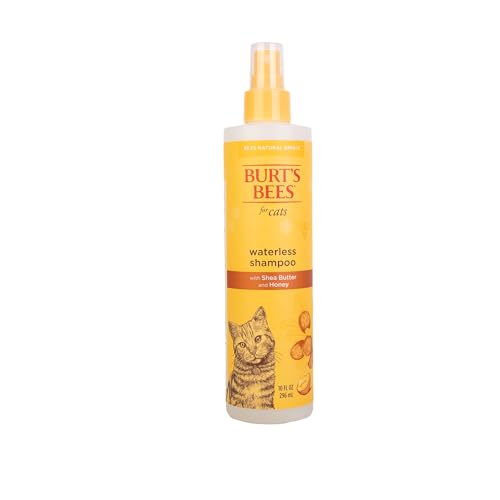
Cat Care Buying Guide: What to Look For in 2026
Cat Care Buying Guide: What to Look For in 2026
As dedicated cat parents, we want nothing but the best for our feline friends — especially when it comes to their health and happiness. The world of pet products continues to evolve, bringing us safer, more transparent options that truly support our cats’ well-being. Whether you're purchasing food, supplements, or wellness products, understanding what to look for can make all the difference in nurturing a long, vibrant life for your kitty.
In this guide, I'll walk you through the most important considerations in 2026 to ensure you’re choosing wisely. From seasonal adjustments to managing age-related concerns, my goal is to help you feel confident as you navigate the aisle of pet care products, always prioritizing your cat’s safety and health.
Table of Contents
Understanding Cat Nutrition in 2026
Proper nutrition forms the foundation of a healthy, happy cat. In 2026, we’re seeing a push toward whole-food ingredients, transparency in sourcing, and minimal fillers. Read labels carefully—look for high-quality protein sources like real chicken, fish, or turkey listed as the first ingredient, without ambiguous terms like "meat by-product" or fillers such as corn and soy unless they’re part of a balanced diet under veterinary guidance.
Many commercial foods now incorporate natural additives like omega-3 fatty acids for coat health and antioxidants for immune support. Just remember that every cat is unique: some thrive on grain-free diets, while others may tolerate grains well. Observing your cat’s stool, coat condition, and energy levels can help you fine-tune their diet.
Choosing the Right Supplements
Supplements can be beneficial, especially for senior cats, those with special health needs, or cats on restrictive diets. Always choose supplements formulated specifically for cats, as ingredients safe for dogs or humans aren’t necessarily safe for our felines. Look for products with transparent ingredient lists and certifications from trusted veterinary brands. Common supplements like joint support, probiotics, or omega fatty acids can support wellbeing, but they shouldn’t replace a balanced diet or veterinary care.
When in doubt, consult your vet before adding supplements to your cat’s routine. Remember, natural ingredients such as fish oil, turmeric, or kelp can be gentle and effective when used properly.
Vet-Recommended Products & Vet-Quality Standards
Choosing vet-recommended or vet-approved products ensures you’re getting safe, effective items backed by scientific research. Look for products with reputable seals of approval or those recommended directly by your veterinarian. High-quality veterinary products typically undergo rigorous testing for purity and potency, which is especially important for topical treatments, parasite preventatives, and medications.
Transparency is key: read labels carefully, avoiding overly chemical-sounding ingredients or fillers. When purchasing online, confirm the seller’s credibility and check for third-party testing or quality certifications.
Seasonal and Age-Related Care Tips
As the seasons shift, so do your cat’s needs. In winter, focus on maintaining good hydration and ensuring a cozy, draft-free environment. During the heat of summer, keeping your cat cool, well-hydrated, and shaded helps prevent heat stress. Regular grooming and feeding a balanced diet support their coat in shedding seasons.
Age-wise, senior cats may benefit from joint support, palatable enzyme supplements for digestion, and softer, easily chewable foods to reduce dental struggles. Monitor their activity level, weight, and appetite to catch and address early signs of aging or health concerns. Routine vet visits become even more important as your kitty enters their senior years.
Calming and Supporting Anxious Cats
Many cats experience anxiety due to travel, loud noises, new visitors, or changes in their environment. Natural calming products, such as pheromone diffusers (like Feliway), herbal supplements, or calming sprays, can help create a sense of security. Incorporate calming routines into your daily life, like gentle play and cozy resting spots, to help ease tension.
Always observe your cat’s behavior—excessive grooming, hiding, or changes in appetite may indicate stress. Pair natural calming aids with environmental enrichment, like puzzle feeders or vertical spaces, to boost their confidence and comfort.
Frequently Asked Questions
How do I know if my cat needs supplements?
If your cat is showing signs of aging, has a special diet, or you’re concerned about specific health issues, discuss supplements with your veterinarian. They can recommend safe, effective options tailored to your cat’s needs.
Are natural pet products always safe?
Generally, natural ingredients are gentler, but they still need to be appropriate for cats. Always choose products made specifically for felines and consult your vet before starting any new supplement or wellness product.
What ingredients should I look for in a high-quality cat food in 2026?
Prioritize real animal proteins as the first ingredients, free from unnecessary fillers, artificial preservatives, colors, or flavors. Look for simplified ingredient lists and consider your cat’s specific health and lifestyle needs.
How can I tell if my senior cat needs extra support?
Watch for signs like decreased activity, weight changes, dental issues, or changes in grooming habits. Regular vet check-ups are key to catching age-related concerns early and discussing appropriate support options.
What should I do if my cat is stressed or anxious?
Identify triggers and incorporate calming aids such as pheromone diffusers or herbal supplements. Providing hiding spots, consistent routines, and lots of gentle interaction can also help your cat feel more secure.
Taking the time to choose your cat’s products with care and understanding makes a big difference in their health and happiness. Remember, natural wellness solutions are a wonderful complement to your veterinarian’s advice—together, you can create a caring, safe environment for your feline companion. Stay curious, stay informed, and trust your instincts as a loving pet parent.