Holistic Winter Skin Care Pets
Table of Contents
To protect your pet's coat during winter, implement a thorough holistic approach that combines natural remedies with environmental modifications. Start by adding fish oil supplements to their diet for essential omega-3 fatty acids, while applying coconut oil topically to dry patches. Install humidifiers to maintain ideal indoor moisture levels between 30-50%, and position pet beds away from direct heat sources. Establish a regular grooming routine with natural moisturizing products, including weekly chamomile tea baths and paw balm applications. Dress your pet in fitted winter gear during outdoor activities, and reduce bathing frequency to preserve natural oils. This foundation of winter coat care sets the stage for exploring more advanced protective measures.
Main Points
- Supplement pet diets with fish oil and vitamin E to boost skin moisture and maintain coat health from within.
- Create a humidity-controlled environment using humidifiers and maintain levels between 30-50% to prevent skin dryness.
- Apply natural moisturizers like coconut oil and aloe vera directly to dry patches for immediate relief and protection.
- Schedule regular brushing sessions to distribute natural oils and remove dead hair while monitoring skin condition.
- Minimize bathing frequency and use moisturizing pet shampoos when necessary to preserve natural skin oils.
Natural Remedies For Pet Skin
Combating winter skin issues in pets doesn't require expensive treatments when nature offers effective solutions. You'll find that natural oils throughout your pet's diet and topical applications can provide essential nutrients for maintaining healthy skin during the cold months.
Start by incorporating fish oil supplements into your pet's daily routine, as omega-3 fatty acids help maintain skin moisture from the inside out.
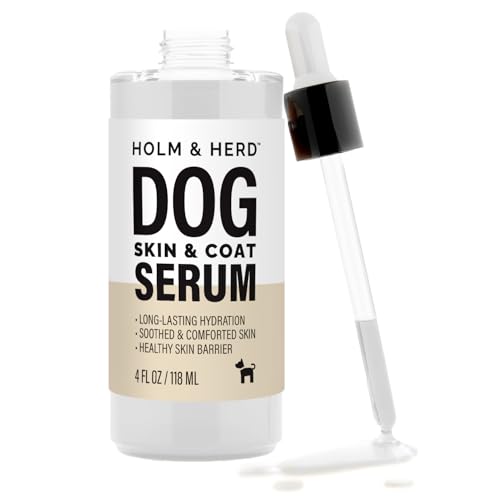
For external care, apply coconut oil directly to dry patches, allowing its natural antibacterial properties to protect while moisturizing. Using hypoallergenic formulas free from harsh chemicals can provide additional protection for sensitive pets.
You can also prepare a soothing oatmeal bath by adding finely ground oats to warm water, creating a natural remedy that reduces inflammation and itching.
When your pet shows signs of skin irritation, consider applying pure aloe vera gel to affected areas, as it provides immediate relief and promotes healing.
For ongoing maintenance, try weekly chamomile or green tea baths, which help retain moisture while calming irritated skin.
These natural alternatives work together to create a thorough approach to winter skin care, ensuring your pet's coat stays healthy and comfortable throughout the season.
Creating A Moisturizing Environment
While natural remedies support your pet's skin from the inside and outside, the environment in your home plays a key role in maintaining their coat health during winter.
Consider adding eco-friendly dog beds made with natural materials like organic cotton to promote healthier skin contact during rest periods.
Creating a moisturizing environment starts with managing your indoor heating system effectively. You'll want to install and maintain air humidifiers throughout your home, particularly in areas where your pet spends most of their time.
Monitor humidity levels using a hygrometer, aiming to keep them between 30-50% for ideal skin health. If you notice the readings falling below this range, adjust your humidifier settings accordingly.
Consider your pet's sleeping arrangements carefully, ensuring they've warm spots away from direct heat sources. While it's tempting to let them curl up near radiators or heating vents, these areas can actually accelerate skin dehydration.
Instead, set up their bed in draft-free locations that maintain a consistent temperature. You can enhance their resting area by placing it against an interior wall rather than an exterior one, which tends to be colder.
This thorough approach to environmental moisture management will help prevent winter-related skin issues and keep your pet comfortable throughout the season.
Essential Dietary Support
Proper nutrition sets the foundation for your pet's winter skin health. A well-balanced diet rich in Omega-3 and Omega-6 fatty acids provides essential support for maintaining healthy skin and coat condition during harsh winter months. You'll find these beneficial nutrients in fish oil and flaxseed, which you can easily incorporate into your pet's daily meals.
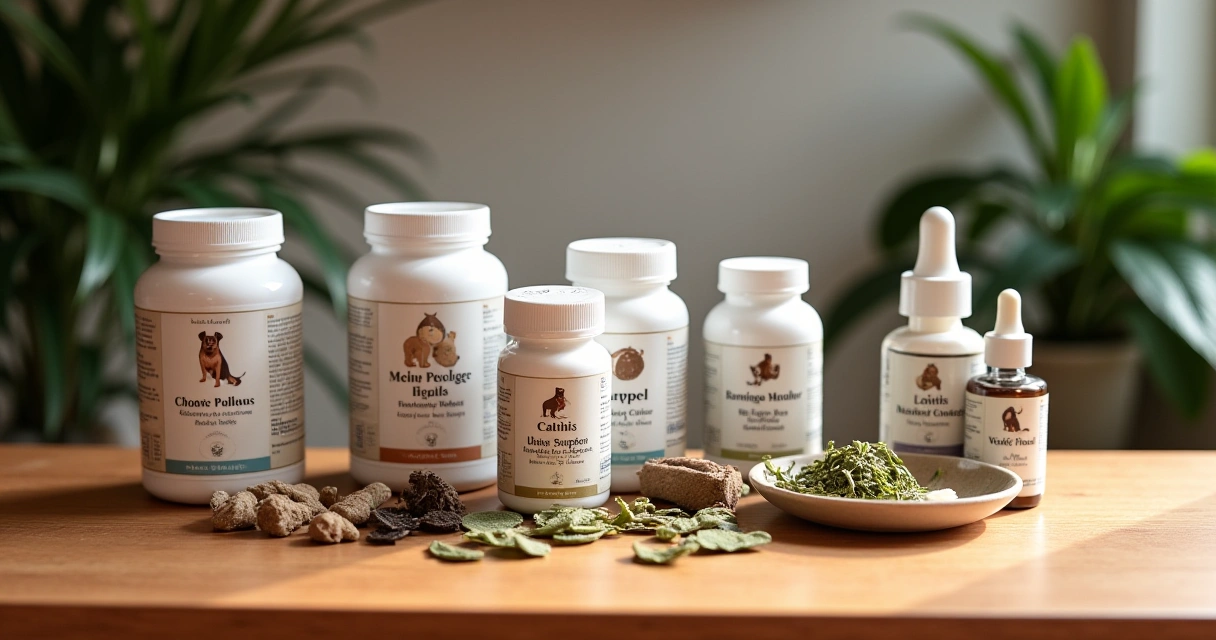
Consider adding organic pet supplements to enhance your pet's natural defenses against winter dryness.
To maximize your pet's skin health through diet, focus on these key elements:
- Choose nutrient-dense foods, such as Holistic Select, that contain extensive vitamin and mineral profiles.
- Supplement with vitamin E and biotin to enhance skin elasticity and moisture retention.
- Include natural moisturizing ingredients like coconut oil and plain yogurt in meals.
Don't forget that hydration plays a vital role in maintaining healthy skin barriers. Make fresh water readily available throughout the day, as proper hydration supports ideal skin moisture levels from within.
When you're planning your pet's winter diet, consider incorporating supplements that specifically target skin health, ensuring you're providing complete nutritional support during these challenging months.
Protective Grooming Practices
Gentle, consistent grooming routines become essential during winter months when pets' coats face harsh environmental challenges. Regular brushing sessions remove dead hair and distribute natural oils throughout your dog's coat, creating a protective barrier against dry skin in pets.
You'll want to maintain these sessions at least three times per week, paying special attention to areas prone to matting. For ideal paw protection during winter grooming, consider using natural paw balms containing vitamin E and aloe vera for rapid healing and comfort.
When bathing your dogs during winter, opt for moisturizing shampoos specifically formulated for cold weather skin care for pets. Follow this with a nourishing fur mask, allowing it to penetrate for 5-10 minutes before thoroughly rinsing.
After grooming sessions, protect your pet's coat with appropriate winter wear, such as fitted sweaters or coats, particularly during outdoor activities. Don't forget to apply paw balms or specialized moisturizers to your pet's foot pads after each grooming session, as these areas are particularly vulnerable to winter damage.
This thorough approach helps maintain coat health while preventing common winter-related skin issues that can cause discomfort for your pet. Remember to adjust your grooming frequency based on your pet's specific coat type and exposure to winter elements.
Winter Weather Defense Strategies
Defending against harsh winter conditions calls for a multi-layered approach to protect your pet's coat and skin health. Your winter weather defense strategies should combine environmental control, dietary support, and physical protection to maintain ideal skin moisture levels.
While you'll want to adjust your home's humidity using a humidifier, it's equally important to focus on internal health through a healthy diet rich in Omega-3 and Omega-6 fatty acids. Consider adding natural joint supplements containing green-lipped mussels, which provide beneficial omega-3s that support both joint and skin health.
To effectively shield your pet from winter's harsh effects, implement these essential measures:
- Install humidifiers in primary living spaces to maintain consistent indoor moisture levels, counteracting the drying effects of heating systems.
- Dress your pet in appropriate winter gear when outdoors, selecting well-fitted coats or sweaters that provide warmth without causing friction.
- Reduce bathing frequency to preserve natural oils, substituting with regular brushing sessions to distribute existing oils throughout the coat.
When implementing these strategies, remember to seek professional advice if you notice persistent skin issues. Your veterinarian can recommend specific dietary adjustments or additional protective measures based on your pet's individual needs and coat type.
Maintain consistent indoor temperatures and monitor your pet's skin condition throughout the season.
Frequently Asked Questions
What Oils Are Good for Dogs Skin and Coat?
You can improve your dog's skin and coat with several beneficial oils rich in essential fatty acids.
Coconut oil works as a natural moisturizer, while fish oil delivers powerful omega-3s for coat conditioning.
Consider using olive oil in your dog's food, or apply jojoba oil topically as it mimics their natural skin oils.
For sensitive skin, try almond oil, which provides vitamin E for enhanced skin health.
How Do You Hydrate a Dog's Fur?
You'll achieve ideal fur hydration through a combination of targeted hydration techniques.
Start by applying a conditioning fur mask with coconut oil and shea butter, followed by a nourishing dry oil to lock in moisture.
Regular brushing helps distribute natural oils throughout your dog's coat, while incorporating omega-3 supplements enhances fur moisturizing from within.
For seasonal grooming, use a lavender moisture balm to soothe and protect against environmental stressors.
What Can I Give My Dog for Dry Skin in the Winter?
You can combat your dog's winter dry skin by adjusting their winter diet to include Omega-3 supplements and increasing humidity levels in your home.
Maintain a consistent grooming frequency, using moisturizing shampoos and coconut oil treatments.
Don't forget to apply a conditioning fur mask weekly, and make certain they're getting enough vitamins A, E, and zinc through their food.
Indoor heating can be harsh, so consider using a humidifier in rooms where your dog spends time.
What's the Best Home Remedy for Dog's Dry Skin?
You can effectively treat your dog's dry skin using natural ingredients through both topical treatments and dietary supplements.
Start by applying coconut oil directly to affected areas, or mix it into their food. You'll also want to give them fish oil supplements rich in omega-3s for internal moisture support.
For immediate relief, try an oatmeal bath, which soothes irritation naturally.
Adding plain yogurt to their diet can improve skin health from the inside out.
Conclusion
Like Goldilocks seeking the perfect balance, you'll find that ideal winter pet care combines internal nourishment with external protection. By implementing a holistic approach of proper diet, humidity control, natural remedies, and protective grooming, you're creating a fortress against winter's harsh effects. Remember, your pet's coat serves as their shield against the elements, and it's up to you to maintain this natural armor through consistent, thoughtful care.