

How to Choose Pet Nutrition for Travel in 2026
When selecting pet nutrition for travel in 2026, prioritize maintaining your pet’s usual diet to avoid digestive upset. Bring sufficient quantities of their regular food plus extra supplies for potential delays. For pets prone to motion sickness, consider offering a light meal a few hours before departure rather than feeding during transit. Consistency in food type and feeding schedules helps mitigate stress-related appetite changes, ensuring your companion remains nourished and comfortable throughout the journey.
Quick Answer
Choose your pet’s regular food for travel to maintain consistency and reduce stress. Bring extra portions in case of delays. For pets prone to motion sickness, consult a veterinarian about anti-nausea options before the trip. Avoid switching foods during travel. If your pet eats less due to stress, monitor them closely; while dogs may skip meals briefly, cats should not go more than a day without eating. Keep feeding times consistent with home routines.
Table of Contents
Our Top Picks
Affiliate disclosure: if you buy through these links, we may earn a commission at no extra cost to you.
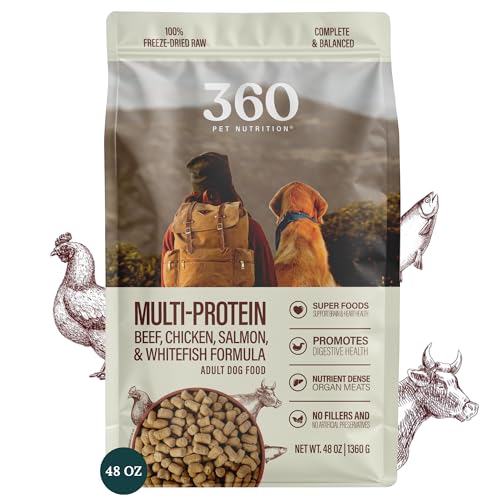



Essential Pet Travel Diet Safety Guidelines & Expert Insights
Ensuring safe feeding practices during pet travel begins with calculating precise daily nutritional requirements based on the animal's current weight and life stage. Diets should adhere to established guidelines from organizations like the WSAVA and AAFCO, providing complete amino acid profiles, balanced fatty acids, and essential minerals. Using an accurate gram scale for portion control helps prevent obesity and supports metabolic health. For growing puppies and kittens, daily caloric needs range from two to three times their resting energy requirement, necessitating a minimum of twenty-eight to thirty-two percent high-digestibility protein delivered through three to four measured meals. Healthy adults require one point four to one point six times their resting energy requirement, with balanced protein levels between twenty-two and twenty-six percent fed in two consistent meals. Senior pets or those with low activity levels need only one to one point two times their resting energy requirement, focusing on high-quality lean protein with joint support and incorporating wet food toppers for hydration. Weight reduction protocols involve feeding at eighty percent to one hundred percent of the resting energy requirement using high-fiber formulations with L-carnitine. In these cases, high-calorie treats should be replaced with alternatives like green beans. These distinctions ensure that nutritional targets are met appropriately for each specific condition without overfeeding or underfeeding during travel.
Pre-Travel Diet Preparation
Preparing a pet’s diet before travel involves specific logistical steps to ensure consistency and safety during transit. The primary principle is maintaining the animal’s regular feeding routine to minimize digestive disruption. Owners should calculate the total amount of food required for the journey, adding a surplus of several extra days to account for potential delays or unexpected extensions of the trip. This ensures that the pet does not run out of their familiar diet while away from home. Organizing the food supply is another critical component. Meals should be pre-portioned into labeled bags before departure. This practice helps maintain accurate feeding schedules and prevents overfeeding or confusion regarding portion sizes during the travel period. Having the food ready in advance streamlines the process and reduces the chance of errors when managing the pet’s nutrition on the go. Additionally, preparation includes gathering necessary accessories such as collapsible bowls and bottled water. These items are particularly important if the pet has a sensitive stomach, as they allow for controlled hydration and feeding using clean, familiar vessels. For animals prone to motion sickness, consulting a veterinarian about anti-nausea medication prior to the trip is a recommended precautionary measure. This proactive approach helps manage potential discomfort associated with travel without altering the core dietary plan.
Travel Day Feeding Strategy
On the day of travel, establishing a consistent feeding strategy helps maintain your pet’s comfort and stability during transit. A practical approach involves offering a small meal approximately three to four hours before departure. This timing allows for digestion to begin while minimizing the likelihood of discomfort or accidents during the journey. It is important to avoid feeding your pet while the vehicle is in motion, as this can increase the risk of nausea or distress associated with movement. For road trips, maintaining hydration is essential. You should provide water during stops every two to three hours to ensure your pet remains adequately hydrated without overloading their system. This regular interval helps balance fluid intake with the need for frequent breaks. When traveling by air, the strategy shifts to adhere strictly to specific regulations. You may need to follow the rules set by the airline regarding food and water, as these policies can vary significantly between carriers. Additionally, consulting with your veterinarian for advice tailored to your pet’s specific health needs and the flight duration is recommended. This professional guidance can help address any individual concerns related to travel stress or dietary requirements. By planning meals and water breaks in advance, you create a structured environment that supports your pet’s well-being throughout the travel day.
Destination Feeding Protocols
Upon reaching your travel destination, maintaining meal times similar to those at home is a recommended approach to help your pet adjust. Establishing a consistent schedule provides a familiar structure that may support your pet’s routine biological rhythms in a new environment. This consistency can assist in reducing stress associated with environmental changes during transit. Selecting an appropriate location for feeding is also advised. Identify a quiet, low-traffic area within your accommodation where your pet can eat without disturbance. This designated spot should remain consistent throughout your stay to reinforce a sense of security. Avoid placing food bowls in areas with high foot traffic or near loud appliances, as these factors may discourage eating or cause anxiety. Proper food storage and handling are critical safety measures when feeding at a destination. If you use wet food, opened containers should be stored in the fridge promptly to prevent bacterial growth. Leftover portions of wet food should be discarded after about two hours, regardless of refrigeration, to ensure food safety. This time limit accounts for potential temperature fluctuations in temporary living spaces. Adhering to these storage guidelines helps prevent gastrointestinal issues that could arise from spoiled food. These protocols focus on maintaining health and routine while away from home, ensuring your pet’s nutritional needs are met safely in a new environment.
Breed & Individual Considerations
When planning travel diets, breed and individual characteristics dictate specific nutritional approaches. Small breed dogs possess faster metabolisms, necessitating more frequent feeding intervals during extended journeys to maintain energy levels. Their limited stomach capacity increases susceptibility to hypoglycemia if meals are delayed, requiring careful timing. In contrast, large breeds benefit from smaller, more frequent meals while traveling to mitigate the risk of gastric torsion. Giant breeds require additional attention to joint health and mobility during rest stops, influencing how and when they are fed to support physical comfort. Senior pets present unique considerations due to age-related health conditions and specific dietary needs. Maintaining precise medication schedules and consistent nutrition is critical for these animals during travel to avoid health complications. Cats often react to travel stress differently than dogs, frequently refusing food entirely during initial travel periods. Understanding feline feeding psychology is essential to prevent forced feeding, which can lead to further complications. Individual variations within breeds also play a role, as some animals may tolerate certain feeding schedules better than others. Tailoring the travel diet to these specific biological and psychological factors helps ensure the pet remains stable and comfortable throughout the journey.
Emergency Feeding Contingencies
When preparing for travel, establishing emergency feeding contingencies is vital to address potential health disruptions. A primary consideration involves avoiding sudden dietary changes while in transit, as switching foods can induce gastrointestinal distress. It is crucial to maintain consistency with the pet’s regular diet to minimize stress on their digestive system. Additionally, owners may need to refrain from administering human sedatives or motion sickness medications without explicit veterinary approval, as these substances may interact negatively with a pet’s physiology or mask underlying health issues. Environmental factors also play a significant role in emergency preparedness. Leaving food or water containers in hot vehicles poses a severe risk, potentially leading to spoilage or dangerous temperature-related illnesses. Monitoring the pet’s condition closely allows for timely intervention. Specific warning signs necessitate immediate veterinary consultation. If a pet experiences vomiting more than once, develops diarrhea that persists for over a day, or a cat refuses to eat for more than twenty-four hours, professional medical advice should be sought promptly. These indicators suggest that the travel environment or dietary adjustments may have caused significant discomfort or illness. By recognizing these thresholds early, owners can mitigate risks and ensure their pet receives appropriate care during unexpected situations. This proactive approach helps manage health uncertainties inherent in travel scenarios.
Frequently Asked Questions
How does pre-portioning meals in labeled bags help during travel?
Pre-portioning meals into labeled bags helps organize your pet’s food supply for travel. This method ensures you have the correct amount of regular food ready for each feeding time, maintaining consistency while on the road. It simplifies access to measured portions without needing to measure food repeatedly during the trip.
What is the recommended timing for feeding a light meal before car or air travel?
For car or air travel, feed your pet a light meal approximately three to four hours before departing. This timing helps reduce the likelihood of motion sickness during the journey. Ensure water is offered at regular intervals if traveling by road, while adhering to specific airline rules for flights.
How do small breed dogs differ from large breeds regarding travel feeding frequency?
Small breed dogs have faster metabolisms and may need more frequent feeding during travel to prevent hypoglycemia. Large breeds benefit from smaller, more frequent meals to help prevent gastric torsion. These breed-specific adjustments support metabolic needs and digestive safety while traveling.
When should a pet owner contact a veterinarian regarding travel-related digestive issues?
Contact a veterinarian if your pet vomits more than once or experiences diarrhea lasting over a day. Additionally, cat owners should seek veterinary advice if their pet does not eat for more than a day during travel. These signs indicate potential digestive distress requiring professional assessment.
Why is maintaining consistent feeding schedules important for pets during travel?
Maintaining consistent feeding schedules during travel helps prevent anxiety and digestive issues in sensitive pets. Disrupted meal times can cause stress-related complications, so adhering to regular intervals supports your pet’s well-being while minimizing gastrointestinal upset during transit.
Pack your pet’s regular food for the trip plus extra days in case of delays. Pre-portion meals into labeled bags to maintain consistency. For pets prone to motion sickness, consult a veterinarian about anti-nausea options before departure. Ensure water is available at regular intervals during travel to support hydration without disrupting feeding routines.


