

How To Choose The Right Cat Carriers 2026
We have all seen that look: the wide-eyed stare, the flattened ears, and the sudden desire to become invisible when the carrier comes out of the closet. For many cats, a car ride is not just an inconvenience; it is a source of genuine physiological stress that can spike cortisol levels and lead to urinary issues or behavioral regression at home. Choosing the right carrier is not about finding the cutest accessory for your Instagram feed; it is about selecting a tool that prioritizes feline psychology, safety during transit, and ease of use for you, the pet parent. In 2026, we are seeing incredible advancements in materials and ergonomic design that finally align with what cats actually need to feel secure.
Our Top Picks
Affiliate disclosure: if you buy through these links, we may earn a commission at no extra cost to you.

Table of Contents
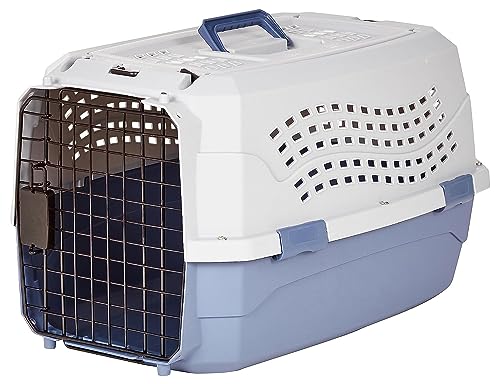

Quick Answer
The right cat carrier prioritizes security and stress reduction over aesthetics. Look for a hard-sided carrier with wide door openings for easy loading, or a high-quality soft-sided carrier that allows your cat to see out while feeling enclosed. Ensure the carrier meets airline carry-on dimensions if you travel, and always introduce it as a safe space at home long before a vet visit occurs.
Why Carrier Choice Affects Feline Health
When we talk about pet wellness, we often focus on nutrition or dental care, but environmental stress is a silent contributor to many health issues. A carrier that is too small, lacks ventilation, or forces you to lift your cat by the scruff can trigger a "fight or flight" response that lingers for hours after the vet visit. This acute stress can compromise their immune system temporarily and make future veterinary care more difficult.
The goal of modern carrier design is to create a "den-like" environment. Cats are prey animals in the wild, so they feel safest when they can see their surroundings without feeling exposed. A well-chosen carrier acts as a portable sanctuary, reducing the need for heavy sedation during exams and keeping both you and your veterinarian safe from defensive scratching or biting.
Hard-Sided vs. Soft-Sided: Understanding the Trade-offs
The debate between hard and soft carriers is common, but the answer depends entirely on your lifestyle and your cat’s personality. Hard-sided carriers offer superior protection in the event of a car accident and provide rigid structural integrity that prevents crushing if something heavy falls on them. They are also easier to sanitize, which is crucial for preventing the spread of viruses like feline panleukopenia between clinic visits.
Soft-sided carriers, particularly those made with reinforced mesh panels, offer excellent ventilation and flexibility. They are lighter and often more comfortable for long car rides because they can be strapped securely into seat belts more easily than bulky hard cases. However, they offer zero protection against impact and can be chewed through by anxious cats who feel trapped. For a calm cat who just needs to go to the groomer, soft-sided is often preferred. For a reactive cat or air travel, hard-sided is non-negotiable for safety.
The Importance of Door Design and Entry Points
One of the most overlooked features in carrier selection is how your cat actually gets inside. Many older or poorly designed carriers require you to lift your cat over a high rim or through a small side door, which can be terrifying for a large or arthritic senior cat. The ideal carrier has a wide, low-entry front door that allows you to slide the carrier under your cat’s paws or place it flat on the floor so they can walk in voluntarily.
Additionally, consider the top-loading option. While some cats dislike having their space invaded from above, others feel safer when they can climb in through a side door and then be secured via the top. This is particularly useful for cats who are difficult to handle around their necks or backs. Ensure that any zippers or latches are robust; a panicked cat can push open weak plastic clips with surprising force.
Material Safety and Breathability in 2026
In recent years, there has been a shift toward eco-friendly and non-toxic materials in pet products. As pet parents, we are more aware of the chemicals that can off-gas from new plastics or synthetic fabrics. Look for carriers made from BPA-free, phthalate-free plastics and fabrics that are OEKO-TEX certified or similarly verified for low chemical emissions. This is especially important since cats will spend time breathing directly against the interior walls of the carrier.
Breathability remains a critical safety factor. Even in hard-sided carriers, ensure there are adequate ventilation holes on multiple sides, not just the top. If you choose a soft-sided carrier, verify that the mesh is fine enough to prevent claws from snagging but open enough to allow airflow. In hot weather, a lack of cross-ventilation can lead to heat stress rapidly, so never leave a cat in a parked car, regardless of how "breathable" the carrier claims to be.
Preparing Your Cat for the Carrier Experience
Buying the right carrier is only half the battle; how you present it matters just as much. A carrier should never be a "travel-only" object. It should be a permanent fixture in your home, serving as a bed or a hiding spot during thunderstorms. This desensitization process reduces the novelty and fear associated with the object itself.
Use positive reinforcement to build a positive association. Toss treats inside, feed meals near the entrance, and even use feline pheromone sprays (like Feliway) on the carrier bedding 15 minutes before travel. By making the carrier a source of comfort rather than just a prison for vet visits, you transform a stressful event into a manageable routine.
Frequently Asked Questions
What size carrier should I buy for my adult cat?
Your cat must be able to stand up, turn around, and lie down on their side without touching the top or sides. A good rule of thumb is to add 2-4 inches to your cat’s length from nose to tail base.
Can I use a soft-sided carrier for air travel?
This depends entirely on the airline. Many airlines require hard-sided carriers for cargo hold travel, but some allow soft-sided carriers in the cabin if they fit under the seat. Always check your specific airline’s pet policy before purchasing.
How do I clean a carrier that my cat has been sick in?
Remove any fabric pads and wash them separately. For the carrier itself, use an enzymatic cleaner designed for pet urine to break down proteins and eliminate odors that might trigger marking behavior later.
Is it safe to leave my cat in a carrier for long car trips?
No. Even with breaks, cats should not be confined for more than 4-6 hours without relief. Plan stops every 2-3 hours to offer water and allow them to use a portable litter box if necessary.
What is the best way to secure a carrier in a car?
The safest place is on the floor behind the front seat or buckled into the back seat using the carrier’s built-in seatbelt loops. Never place a carrier on the passenger seat with an active airbag, as deployment can be fatal.
Conclusion
Selecting the right cat carrier is an investment in your cat’s emotional well-being and physical safety. By prioritizing secure entry points, breathable materials, and appropriate sizing, you can transform travel from a source of anxiety into a manageable part of responsible pet ownership. Start by evaluating your current carrier against these guidelines, and remember that consistency in positive reinforcement is just as important as the hardware itself. If you are unsure about your cat’s specific stress triggers, consult with your veterinarian for personalized behavioral advice.


