

How To Choose The Right Dog Poop Bag Holders 2026
As a holistic veterinarian, I often see that the bond between a pet parent and their dog is forged in the daily rituals of care—walks, playtime, and yes, the cleanup. While it might seem like a mundane chore, handling your dog’s waste safely is actually a critical component of environmental health and disease prevention. Whether you are navigating muddy trails with a Golden Retriever or walking on city sidewalks with a senior Dachshund, having a reliable poop bag holder isn't just about convenience; it's about maintaining hygiene, protecting your hands from bacteria, and ensuring you can focus on the joy of the walk rather than the mechanics of cleanup.
Table of Contents
Quick Answer
The right poop bag holder depends entirely on your walking environment and your dog’s size. For urban walks, a compact, clip-on dispenser that fits securely in a pocket or belt loop is essential for quick access. For hiking or long treks with larger breeds, a durable leash-mounted pouch that holds extra bags and waste-sealing supplies is safer and more practical. Always prioritize holders made from non-porous materials like silicone or hard plastic to prevent odor absorption and bacterial growth.
Our Top Picks
Affiliate disclosure: if you buy through these links, we may earn a commission at no extra cost to you.

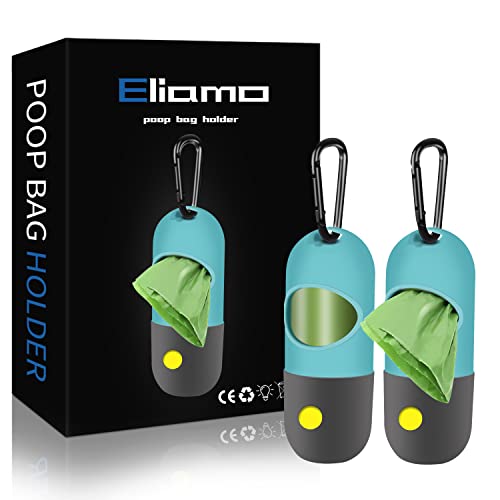

Assessing Your Walking Terrain and Routine
The first step in choosing a holder is honest self-reflection about where you walk. If your routine involves quick trips around the block or navigating crowded sidewalks, speed is your priority. In these scenarios, a small, pocket-sized dispenser allows you to grab a bag without stopping your stride. However, if you frequent wooded trails, beaches, or parks with uneven terrain, you need something more robust. A leash-mounted holder keeps your hands free for balancing your dog on rocks or managing a high-energy pup, reducing the risk of dropping supplies in mud.
I often advise pet parents who hike to look for holders with a secure closure mechanism. A simple open clip can result in bags falling out when you’re scrambling up a hill. For these active days, consider a holder that attaches directly to your D-ring or leash handle, ensuring the waste management supplies are always within arm's reach but securely fastened.
Material Matters: Hygiene and Durability
From a veterinary hygiene perspective, the material of your poop bag holder is non-negotiable. Cheap, porous plastics can absorb odors and harbor bacteria over time, creating an unpleasant environment for both you and your pet. Look for holders made from hard-wearing ABS plastic, silicone, or stainless steel. These materials are easy to wipe down with a disinfectant wipe after a particularly messy walk, ensuring that you aren't carrying around a reservoir of pathogens.
Additionally, consider the mechanism of the bag dispenser itself. A smooth, low-friction surface helps bags slide out easily even when your hands are wet or muddy. If you live in a humid climate, ensure the holder has ventilation holes or is designed to allow air circulation, preventing moisture buildup inside the container which can lead to mold.
Compatibility with Leashes and Gear
Not all holders are created equal when it comes to fitting your specific gear. Before purchasing, measure the diameter of your leash handle or the width of your belt loop. Many universal clips claim to fit "all" leashes but end up being too loose on thick, padded handles or too tight on thin nylon cords. A secure fit is vital; you want a holder that stays put during vigorous play but can be removed quickly when you need to refill it.
If you use a harness system, check if the holder clips onto the D-ring behind your dog’s shoulder. This position keeps the bags away from your dog’s face and mouth, which is crucial for preventing accidental ingestion of plastic or chemicals from scented bags. For those who carry other items like treats or keys, look for multi-compartment holders that organize your gear efficiently.
The Senior Dog and Mobility Consideration
Caring for a senior dog often requires extra patience and preparation. Older dogs may have incontinence issues or simply need more frequent potty breaks due to decreased mobility. In these cases, a large-capacity holder that can store multiple bags and perhaps even waste-sealing tabs is incredibly helpful. You don’t want to be fumbling for a new bag while your senior dog is waiting patiently.
For dogs with arthritis or limited mobility, consider a holder that attaches to your clothing rather than the leash. This allows you to keep one hand firmly on your dog’s harness for support and stability while managing cleanup with the other. A waist-mounted belt clip can be particularly useful here, keeping your hands free to assist your pet up stairs or over curbs.
Eco-Friendly Options and Disposal Safety
As holistic veterinarians, we are increasingly conscious of our environmental footprint. While "biodegradable" bags are popular, the holder itself should be durable enough to last for years, reducing plastic waste from disposable dispensers. Look for holders made from recycled materials or those designed for long-term use with compostable bags.
Safety is also a key factor in disposal. Ensure your holder has a secure way to tie off the bag after use. A loose bag can tear and spill waste, creating a biohazard on the trail. Some advanced holders come with built-in twist-ties or knotting mechanisms that allow you to seal the waste completely before placing it in a public trash bin, protecting sanitation workers and other park-goers.
Frequently Asked Questions
Can I use a poop bag holder for cat litter?
While possible, it is not recommended. Cat waste is heavier and often requires larger, thicker bags than dog holders are designed to accommodate. Using a specialized cat waste carrier or dedicated litter scoop bag dispenser is safer and more hygienic.
How do I clean a poop bag holder?
Remove any remaining bags and rinse the holder with warm water. Use a mild disinfectant spray or wipe it down with an alcohol-based wipe. Allow it to air dry completely before refilling to prevent bacterial growth.
Are scented poop bags better for odor control?
Scented bags can mask odors for humans, but strong fragrances may irritate your dog’s sensitive nose or skin. Unscented, plant-based bags are generally safer for your pet’s respiratory health and are often easier to find in eco-friendly holders.
What if my dog’s leash doesn’t have a D-ring?
You can use a universal clip that attaches to your belt loop, waistband, or even a backpack strap. Alternatively, look for holders with a lanyard or carabiner that can be attached to any sturdy part of your gear.
Do I need a special holder for large breed dogs?
Large breeds produce more waste, so you may need to carry multiple bags. A larger capacity holder or a dual-compartment dispenser that holds both bags and waste-sealing ties is practical for big dogs who poop frequently.
Choosing the right poop bag holder is a small decision that significantly impacts your daily routine and your dog’s well-being. By prioritizing hygiene, compatibility with your gear, and the specific needs of your pet’s lifestyle, you can make cleanup a seamless part of your walk. Remember, while natural solutions and good tools help maintain a healthy environment, always consult your veterinarian if you notice changes in your dog’s digestive health or waste patterns. Happy walking!


