

How To Choose The Right Orthopedic Dog Beds
By Dr. Renee Parker
As we watch our dogs age, the simple act of standing up after a nap can become a struggle, a reality that breaks our hearts but is entirely manageable with the right support. Choosing an orthopedic dog bed isn't just about buying a soft place to sleep; it's about investing in a therapeutic tool that alleviates pressure on hips, elbows, and spines, allowing your companion to rest deeply and wake up with more vitality. When we prioritize proper sleep hygiene and joint support, we aren't just buying comfort—we are actively participating in a holistic approach to pain management and mobility preservation that complements their overall wellness plan.
Our Top Picks
Affiliate disclosure: if you buy through these links, we may earn a commission at no extra cost to you.
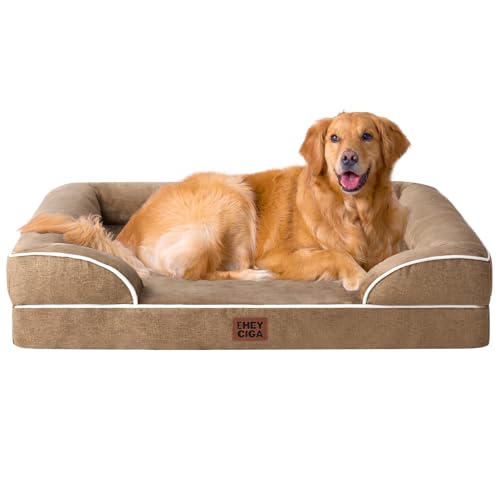
Table of Contents


Quick Answer
To choose the right orthopedic dog bed, prioritize high-density memory foam (at least 4 inches thick) that contours to your dog's body without bottoming out, ensuring proper joint alignment. Always measure your dog's full length while stretched out and add a few inches for a safety margin, and select a bed with a removable, washable cover made from durable, non-slip materials to ensure long-term hygiene and safety.
Understanding Orthopedic Foam vs. Standard Cushions
When I speak with pet parents about joint health, the first thing I notice is the confusion between "orthopedic" and "plush." In the veterinary world, true orthopedic support comes from high-density memory foam or specialized latex that distributes weight evenly. Unlike standard fiberfill or polyester cushions that flatten out quickly and offer little resistance, quality orthopedic foam adapts to your dog's body shape. This contouring is vital because it prevents pressure points from building up on bony prominences like the hips and elbows, which is especially critical for senior dogs or breeds prone to conditions like hip dysplasia or arthritis.
However, not all memory foam is created equal. You want to look for foam with a high density rating, which ensures the bed doesn't "bottom out" when your dog lies down. If the foam is too soft or low-density, it fails to provide the structural support needed to keep the spine aligned during sleep. Think of it like a mattress for humans; a cheap, thin mattress might feel soft initially, but it won't support your back through the night. Similarly, a dog needs a foundation that maintains its integrity to truly aid in muscle recovery and joint relief.
Sizing for Comfort: The Stretch Test
One of the most common mistakes I see in my clinic is owners buying a bed based on their dog's current standing height rather than their sleeping posture. A bed that is too small forces a dog to curl up tightly, which can exacerbate joint stiffness and restrict deep breathing during sleep. To get the sizing right, ask your dog to lie down in their favorite, most stretched-out position—the one they do when they feel completely safe and relaxed. Measure from the tip of their nose to the tip of their tail, and then add 2 to 4 inches to that measurement.
This extra space is crucial for allowing them to shift positions throughout the night. Dogs don't stay in one position for eight hours straight; they roll, stretch, and adjust. If the bed is snug, they may feel confined and avoid using it, especially if they are already experiencing pain. For larger breeds like Golden Retrievers or German Shepherds, or even medium breeds with long bodies like Dachshunds, ensuring adequate length is just as important as width. A well-sized bed encourages them to fully extend their limbs, promoting better circulation and reducing morning stiffness.
Material Safety and Washability
While the foam provides the support, the cover is what makes the bed practical for real-life pet parenting. Orthopedic foam is dense and heavy, but it is also susceptible to absorbing odors, moisture, and dander over time. A high-quality orthopedic bed should have a removable, machine-washable cover made from durable, breathable fabric. Materials like microfiber, cotton blends, or even waterproof liners can be incredibly helpful, especially for older dogs who may have occasional accidents or simply sweat more during hot summer nights.
Hygiene is a cornerstone of holistic pet wellness. A bed that cannot be washed easily becomes a breeding ground for bacteria and allergens, which can irritate a dog's skin and respiratory system. Look for zippers that are covered or hidden to prevent chewing hazards, and check if the fabric is resistant to pilling or tearing. For dogs with sensitive skin or allergies, hypoallergenic covers can make a significant difference in their overall comfort and sleep quality. Remember, a clean bed is a healthy bed, and easy maintenance ensures you'll keep using it long-term.
Matching Bed Style to Your Dog's Behavior
Not all dogs sleep the same way, and the style of the bed should reflect their individual preferences and physical needs. If your dog is a "sploother" who lies flat on their stomach, a flat, low-profile orthopedic pad might be best. However, if your dog is a "curler" who buries their nose under their tail, a bolstered bed with raised edges can provide neck support and a sense of security, which is particularly calming for anxious or sensitive dogs. The bolster acts as a pillow for their head and a barrier against drafts, helping them feel enclosed and safe.
For dogs with severe mobility issues or those who struggle to jump up, the height of the bed matters. A bed with a low profile or a ramp can make it easier for arthritic dogs to get in and out without straining their joints. Conversely, if your dog is a digger or a scratcher before they lie down, you might want to avoid beds with excessive stuffing or loose threads that they could ingest. Observing your dog's natural sleeping habits gives you the best clue as to what style will encourage them to embrace their new orthopedic support.
Introducing the New Bed: A Gentle Transition
Even the best orthopedic bed won't be used if your dog isn't comfortable with it. Dogs are creatures of habit, and introducing a new piece of furniture can sometimes cause hesitation, especially for senior pets who may be resistant to change. To encourage acceptance, place the bed in a familiar, quiet spot where they already like to rest, such as near their food bowl or in a corner of the living room. You can also make the bed more inviting by placing a familiar item on top, like their old, well-loved blanket or a piece of your clothing that carries your scent.
Positive reinforcement is key during this transition. Reward your dog with treats and gentle praise when they approach or step onto the new bed. You can also feed them their meals near the bed or toss treats onto it to create a positive association. Be patient; it may take a few days for them to fully relax and utilize the new support. Remember, the goal is to create a sanctuary for rest, so ensure the environment around the bed is calm and free from high-traffic disturbances that might interrupt their sleep.
Frequently Asked Questions
How thick should an orthopedic dog bed be?
For most dogs, a minimum of 3 to 4 inches of high-density foam is recommended. This thickness ensures that the foam can compress slightly to contour to the body without bottoming out, providing the necessary support for joints and muscles.
Can orthopedic beds help with anxiety?
Yes, particularly bolstered beds. The raised edges provide a sense of security and protect the neck and head, which can be very calming for anxious dogs. The comfort of the foam also helps reduce physical discomfort that can contribute to restlessness and anxiety.
How often should I replace an orthopedic dog bed?
While high-quality foam is durable, it typically loses its supportive properties after 1 to 2 years of heavy use. If you notice the bed has flattened significantly or your dog is avoiding it, it may be time for a replacement to ensure they continue to receive proper joint support.
Are orthopedic beds safe for puppies?
Yes, but for puppies, you may want to start with a softer, more flexible foam or a standard cushioned bed. Puppies are still growing and often chew on their beds, so a durable, chew-resistant cover is essential. As they mature and their joint needs become more apparent, you can transition to a firmer orthopedic bed.
What is the best material for a dog bed cover?
Microfiber and cotton blends are excellent choices because they are soft, breathable, and easy to wash. For dogs with incontinence issues or who sweat heavily, a waterproof liner underneath a removable cover is highly recommended to protect the foam and maintain hygiene.
Choosing the right orthopedic bed is a meaningful step in supporting your dog's long-term health and happiness. By focusing on high-density foam, proper sizing, and safe, washable materials, you can provide a sanctuary that promotes deep, restorative sleep and alleviates joint discomfort. Remember, while a good bed is a powerful tool, it works best as part of a comprehensive wellness plan that includes regular veterinary check-ups, appropriate nutrition, and gentle exercise. If you have specific concerns about your dog's mobility or pain levels, please consult with your veterinarian to create a tailored care plan that addresses their unique needs.


