How to Choose the Right Pet Nutrition
How to Choose the Right Pet Nutrition
As a holistic veterinarian, I know there's nothing more important than providing your furry friend with balanced, nourishing food that supports their overall health and happiness. Choosing the right nutrition isn’t just about selecting the most popular brand — it’s about understanding your pet’s unique needs, reading ingredient labels thoughtfully, and creating a vet-approved plan that complements their lifestyle. When you nourish your pet properly, you help them thrive at every age and stage, from puppy to senior.
Remember, food is the foundation of wellness. It’s a journey of learning and adapting, especially as seasons change, aging sets in, or life throws new challenges your way. This guide will help you walk that journey with confidence, blending natural care with evidence-based choices to keep your beloved pet vibrant and healthy.
Table of Contents
Understanding Your Pet’s Nutritional Needs
Every pet is unique, and their nutritional requirements depend on factors like age, size, breed, activity level, and health conditions. Puppies and kittens need nutrient-dense foods to support growth, while seniors often benefit from easily digestible, joint-friendly formulations. Active working dogs or highly energetic cats may require higher protein levels, whereas pets with certain health issues might need tailored diets.
It’s vital to observe your pet’s behaviors and physical health indicators — weight, coat condition, energy levels, grooming habits, and stool quality all provide clues. If your dog or cat is gaining excess weight or losing weight unexpectedly, or if their coat becomes dull and flaky, those are signals to reassess their diet.
Deciphering Pet Food Labels
Reading labels can feel overwhelming, but understanding the basics helps you make safer, more transparent choices. Look for products with clearly listed whole ingredients, especially recognizable proteins like chicken, beef, or fish. Beware of generic terms like “meat by-product,” which can be less wholesome. Prioritize brands that specify ingredient sources and avoid those with artificial preservatives, colors, or fillers.
Checking for certifications from reputable organizations — such as AAFCO (Association of American Feed Control Officials) — ensures the food meets minimum nutritional standards. However, remember that a label isn’t everything; first-hand ingredient transparency and your pet’s response are just as crucial.
Choosing the Right Type of Food
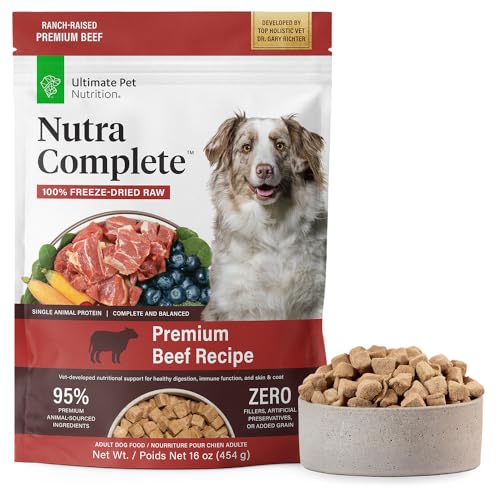
Today’s options include dry kibble, canned (wet) food, raw diets, and home-cooked meals. Each has its benefits and considerations. Dry kibble is convenient and good for dental health, but quality matters — opt for sticks that list whole protein as the main ingredient. Wet food can enhance hydration and appeal to picky eaters, but watch for added fillers or preservatives.
Raw and home-cooked diets offer control over ingredients but require careful planning to meet all nutritional needs and avoid contamination. Consulting with a holistic veterinarian ensures any homemade meals are balanced and safe. Remember, the goal isn’t just preference but providing all essential nutrients for your pet's specific life stage and health profile.
Incorporating Supplements Wisely
Supplements can be a gentle way to support specific health concerns — like adding omega-3s for a shiny coat or joint support for active middle-aged dogs — but they should complement, not replace, quality food. Always choose supplements with transparent ingredient lists and consult your veterinarian before adding new products to your pet’s routine.
For pets prone to anxiety or stress, natural calming aids like certain herbal supplements or pheromone diffusers might help without the risks associated with pharmaceutical options.
Adapting Nutrition Through Life Stages & Seasons
As your pet ages, their nutritional needs evolve. Puppies and kittens thrive on nutrient-dense diets rich in calories and proteins, while seniors may benefit from lower-calorie, joint-supportive, or digestive-friendly options. Additionally, seasonal changes can influence dietary needs — for example, more calories during cold months if your pet goes outdoors frequently.
Adjustments can also support specific health concerns, such as weight management or skin conditions. Regular check-ins with your vet help tailor their diet as they grow older or transition between seasons, ensuring they remain comfortable and content.
Special Considerations & Common Concerns
If your pet has food allergies, sensitivities, or chronic health issues like kidney disease, choosing the right diet becomes even more important. The key is ingredient transparency and working closely with your vet to identify triggers and select diets that support overall health without exacerbating problems.
Many pet parents worry about overfeeding or underfeeding; consistent portion control and understanding caloric needs help maintain optimal weight and prevent health issues like obesity or nutrient deficiencies. Remember, natural solutions like pumpkin, probiotics, or herbal supplements can support digestion and immune health but should always be used in consultation with your veterinarian.
Frequently Asked Questions
Is grain-free food better for my cat or dog?
Not necessarily. Some pets do better on grain-free diets due to specific sensitivities, but many grains are a source of healthy, wholesome carbohydrates. Always consider your pet’s individual needs and consult your vet before making big changes.
How can I tell if my pet is getting enough nutrition?
Observe their energy level, coat quality, stool consistency, and weight stability. Regular vet check-ups and blood work can help assess nutritional adequacy more precisely.
Are supplements safe for pets?
When chosen carefully and used as directed, supplements are generally safe. Always consult your veterinarian first, especially if your pet has health conditions or is on medication.
What are signs of food allergies in pets?
Itching, licking paws, ear inflammation, or gastrointestinal upset can signal allergies. Working with your vet to identify allergenic ingredients is the safest approach.
Can I feed my dog raw food every day?
Yes, with proper planning and ingredient selection, raw diets can be safe and nutritious. Consulting a holistic vet ensures you’re meeting all essential nutritional needs and minimizing contamination risks.
How often should I switch my pet’s food?
Gradually transitioning over 7-10 days is best when changing diets. In general, avoid frequent switches unless medically advised, as consistency supports digestive health.
Conclusion
Selecting the right pet nutrition is a thoughtful process that benefits from understanding your pet’s unique needs, reading labels carefully, and integrating natural, wholesome options alongside veterinary guidance. Remember, every pet’s dietary journey is personal, and ongoing adjustments ensure they remain vibrant and comfortable through all stages of life. Your attention to their nutrition is one of the most loving gifts you can give — it’s the foundation for a long, happy, healthy life together.
Next step? Schedule a check-up with your trusted holistic veterinarian to discuss your pet’s current diet and any upcoming changes. Together, you can craft a nourishing plan that supports your pet’s well-being for years to come.
Top Picks for This Topic
As an Amazon Associate we earn from qualifying purchases at no extra cost to you.