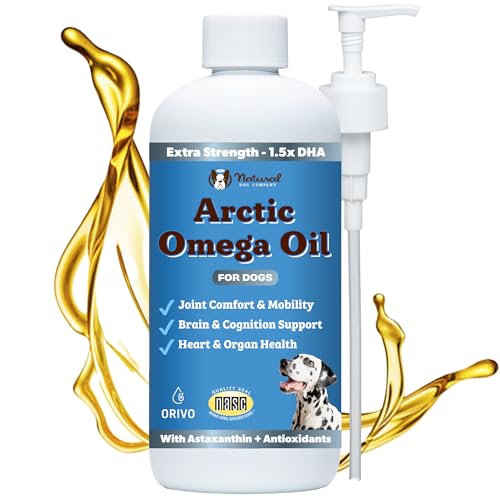
How To Safely Add Fish Oil To Your Dog S Diet For
As the warmer months approach, many pet parents notice their dogs shedding their winter coats, sometimes revealing dry, flaky, or dull fur underneath. A shiny summer coat isn't just about aesthetics; it's a highly visible indicator of your dog's internal health, skin hydration, and overall well-being. In my holistic veterinary practice, I often see how a simple, targeted addition of Omega-3 fatty acids can transform a lackluster coat, but it is incredibly important to introduce this supplement safely to ensure your dog gets the maximum benefit without any unintended side effects.
Quick Answer
To safely add fish oil to your dog's diet, choose a high-quality, third-party tested Omega-3 supplement made specifically for pets and introduce it gradually over 7 to 10 days to avoid stomach upset. Always pair the supplement with a balanced meal to aid absorption, and consult your veterinarian to determine the correct dosage based on your dog's exact weight and current health status.
Table of Contents
Why Fish Oil is a Summer Coat Superfood
When we look at the physiology of a dog's skin and coat, we find that the cell membranes are largely composed of fats. Fish oil is incredibly rich in Eicosapentaenoic acid (EPA) and Docosahexaenoic acid (DHA)—two specific Omega-3 fatty acids that work wonders for canine skin health. Because a dog's body cannot produce these essential fatty acids naturally, they must come from the diet. Once absorbed, EPA and DHA help maintain the lipid barrier of the skin, locking in moisture and significantly reducing the seasonal flaking you might see during dry, warm summer weather.
Beyond supporting a glossy coat, these fatty acids offer natural support for seasonal allergies. Summer often brings an increase in environmental allergens like grass pollens and dust mites, which can leave your dog incessantly licking their paws or scratching their belly. Omega-3s naturally help support a healthy, normal inflammatory response, providing gentle relief that complements your standard veterinary care protocols.
Choosing the Right Fish Oil for Your Dog
Navigating the pet wellness aisle can be overwhelming, but ingredient transparency is key when selecting a fish oil. Look for oils sourced from small, cold-water fish like anchovies or sardines. Because these fish are lower on the food chain, they naturally accumulate fewer environmental heavy metals. Always ensure the bottle clearly states that it has been third-party tested for purity, potency, and the absence of toxins.
You will also need to choose between a liquid oil and gel capsules. Liquid oils are often easier to mix into a bowl of food and allow for more precise dosing, especially for large breed dogs. Gel capsules are excellent for keeping your dog's breath and your hands from smelling fishy, but they may not be suitable for dogs with a history of digestive sensitivity to large pills. Whichever format you choose, check the ingredient label to ensure there are no artificial flavors or unnecessary preservatives.
Step-by-Step: How to Introduce Fish Oil
Adding a new supplement to your dog's morning routine should always be a gradual process. If you give your dog a full dose of fish oil on day one, you might notice they experience loose stools, diarrhea, or mild vomiting. Their digestive microbiome needs time to adjust to the sudden increase in dietary fat. I always recommend a slow, steady introduction over the course of a week and a half.
Start by adding roughly a quarter of the recommended daily dose to your dog's regular meals. If they tolerate this well for three to four days, you can increase the amount to a half dose. Continue this gradual step-up until your dog is fully transitioned to their target daily dosage. Mixing the oil thoroughly into their regular kibble or fresh food not only masks the supplement but also helps coat the kibble, making the meal more palatable and easier to digest.
Calculating the Right Dosage for Your Dog
Dosage is not a one-size-fits-all metric; it depends heavily on your dog's weight, age, and the specific concentration of EPA and DHA in your chosen brand. While it might be tempting to just use a splash from your own human supplements, human-grade fish oil can sometimes contain flavorings like xylitol or citrus, which are inappropriate and sometimes unsafe for dogs. Furthermore, dosing for a 15-pound Cavalier King Charles Spaniel will look vastly different than dosing for a 75-pound Labrador Retriever.
As a general starting point, many holistic veterinarians suggest a daily target of roughly 75 to 100 mg of the combined EPA and DHA content per 10 pounds of body weight for general skin and coat health. However, because your dog may have underlying health considerations—such as a sensitive pancreas or a blood clotting disorder—it is vital to have a conversation with your veterinarian. Natural solutions beautifully complement veterinary care, but they should never replace professional medical guidance.
Seasonal Routines and Travel Day Considerations
Integrating a new supplement into a busy household can be tricky, especially during the summer when travel days and disrupted schedules are common. Consistency is the most important factor in seeing long-term coat improvements. Try to tie the fish oil to an existing habit, like your morning walk or the daily preparation of their breakfast bowl. This behavioral linking makes it much less likely that you will forget to give them their dose.
If you are taking a road trip or flying with your dog this summer, packing fish oil requires a bit of planning. Capsules are significantly easier and less messy to travel with than liquid bottles. However, if your dog requires a liquid form, consider getting a small, dark-colored travel dropper bottle that won't leak in your travel bag. Never leave a bottle of fish oil in a hot car or direct summer sunlight, as the heat will rapidly degrade the delicate fatty acids and render the supplement ineffective.
Frequently Asked Questions
Can I give my dog salmon oil instead of fish oil?
Yes, salmon oil is a great source of Omega-3s and is technically a type of fish oil. Whether you choose wild-caught Alaskan salmon oil or a generalized small-fish oil, the most important factor is verifying that the product is free of heavy metals, sustainably sourced, and highly concentrated in EPA and DHA.
How long does it take to see a shinier coat?
Coat transformation is a gradual process. While some pet parents notice a softer texture in as little as two weeks, it typically takes four to six weeks of daily, consistent supplementation to see a truly glossy, healthy shine and a noticeable reduction in seasonal flaking.
Will fish oil make my dog smell like fish?
A high-quality, fresh fish oil should not cause your dog to have a strong, lingering fishy body odor. If your dog's breath or coat smells distinctly like old fish, the supplement you are using may have oxidized (gone rancid), or the dose might be too high for their digestive system to properly process.
Can cats take the same fish oil as my dog?
While both species benefit from Omega-3s, you should never share supplements without checking the label. Dog fish oil might contain flavorings, preservatives, or inactive ingredients that are not ideal for cats. Always select a feline-specific product for your kitty's safety.
Does fish oil help with a dog's itchy, dry skin?
Yes, it is highly effective for natural skin hydration. The Omega-3 fatty acids help fortify the skin's natural lipid barrier, preventing moisture loss and soothing the irritation caused by dry, flaky skin and mild environmental allergies.
Are there any risks to giving my dog fish oil?
When given at the correct dose, fish oil is very safe. However, high doses can lead to weight gain, delayed wound healing, or gastrointestinal upset. Because it has a mild blood-thinning effect, dogs on specific medications or those preparing for surgery should only take it under strict veterinary supervision.
Incorporating fish oil into your dog's daily routine is one of the simplest, most effective ways to nourish their skin from the inside out and promote a stunning, healthy summer coat. By selecting a high-quality, transparent brand, introducing the supplement gradually, and working closely with your family veterinarian to determine the right dosage, you are setting your pet up for a vibrant, comfortable season. As a clear next step, reach out to your vet today to confirm the ideal EPA and DHA dosage for your dog's specific weight, and then start your 7-day gradual introduction to kickstart their journey to a softer, shinier coat.