Late Summer Allergies Natural Relief Weed Pollen Sensitivity
Table of Contents
Late summer weed pollen, especially ragweed, can make pets miserable from August through October. Natural relief starts with environmental controls: close windows during peak morning hours, use HEPA filters, and wipe down pets after outdoor adventures. Anti-inflammatory foods like turmeric and omega-3s provide internal support, while quercetin supplements help stabilize mast cells. Local honey may help pets adapt to regional allergens. Simple dietary changes and smart timing can transform your pet’s comfort during pollen season.
Understanding Weed Pollen Triggers and Peak Season Timing
As summer winds down and pet parents start thinking about cozy fall walks, many don’t realize their furry companions are about to face one of the year’s most challenging allergy seasons.
Weed pollen—especially ragweed—kicks into high gear from late August through October. One plant produces up to one billion pollen grains. Yep, billion with a B.
These microscopic troublemakers travel hundreds of miles on wind currents, making escape nearly impossible. Peak release happens on warm, dry, windy mornings when you’d rather be enjoying that perfect weather with your pup.
Here’s the tricky part: overlapping grass and tree pollens complicate things. Pollen identification techniques become essential, and allergy testing importance cannot be overstated. Even when pollen counts are forecasted to be low, your pet may still experience symptoms since forecasts are less accurate than actual measurements.
Without proper testing, you’re basically playing allergen roulette with your pet’s comfort. The immune system mistakenly identifies these pollen particles as dangerous intruders, triggering uncomfortable reactions that can make your pet miserable throughout the entire season. The most common response involves nasal congestion as blood vessels become inflamed and create that stuffy, uncomfortable feeling.
Natural Prevention Strategies and Environmental Controls
Why wait until your dog’s eyes are streaming and they’re scratching themselves raw when simple environmental tweaks can head off allergy misery before it starts?
Smart pet parents know prevention beats treatment every time. Creating a pollen-free sanctuary doesn’t require expensive gadgets or complicated routines.
Four Game-Changing Environmental Controls:
- Close windows and run air conditioning during peak pollen season – your HVAC system becomes your first line of defense.
- Install HEPA filters in air purifiers and vacuum cleaners for superior air filtration that actually captures microscopic allergens.
- Check daily pollen monitoring reports and keep pets indoors when counts spike, especially on windy days.
- Wipe down pets after outdoor adventures – those adorable fur coats are pollen magnets.
Small changes. Big relief. Your pets will thank you.
HEPA air purifiers specifically designed for pet households can dramatically reduce both seasonal allergens and year-round pet dander that may compound your dog’s discomfort.
Adding a humidifier to your home environment helps counteract dryness in nasal passages and reduces congestion discomfort for allergy-prone pets. Since pollen counts are typically highest early in the day after dew dries, timing your pet’s outdoor activities for later in the day can significantly reduce allergen exposure. Air conditioners and dehumidifiers also limit growth of mildew and mold that may worsen your pet’s allergy symptoms.
Dietary Support and Complementary Relief Methods
Beyond environmental controls, what pets eat plays a surprisingly powerful role in managing allergy symptoms naturally. Smart dietary adjustments can transform your furry friend’s immune response. Anti-inflammatory foods like turmeric and omega-3 rich options help reduce allergic inflammation from the inside out.
Local honey? It’s not just folklore—three months of consistent use may actually help pets adapt to local allergens.
Herbal remedies offer gentle relief too. Stinging nettle acts as nature’s antihistamine, while butterbur extract rivals conventional medications without drowsiness. Quercetin supplementation can further stabilize mast cells and control histamine release for enhanced symptom management. Sea buckthorn berries provide over 190 nutrients and phytonutrients that support respiratory health naturally.
Don’t overlook gut health either. Probiotic-rich foods support immune balance, potentially reducing symptom severity. Air purifiers can eliminate up to 99% of allergens in your pet’s environment for additional relief.
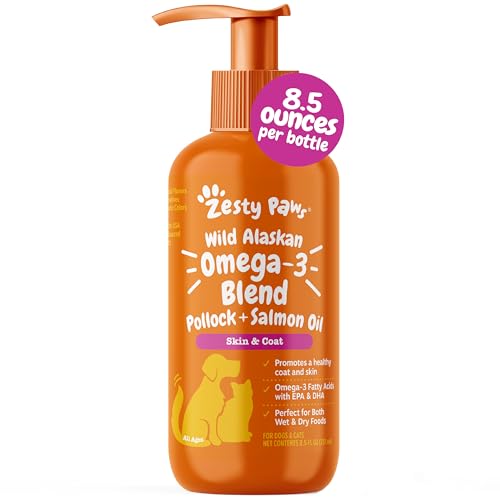
Vitamin C boosts natural antihistamine effects. Zinc strengthens defenses. Even saline nasal rinses clear allergens effectively. Natural antihistamines like these can provide effective relief from late summer weed pollen without the side effects of conventional medications. Echinacea serves as another powerful natural immune system booster that can help strengthen your pet’s defenses against seasonal allergens. Omega-3 supplements provide essential fatty acids that can significantly reduce inflammatory responses in pets with fall allergies.
These natural approaches empower pet parents seeking alternatives while supporting their companions through challenging allergy seasons.
Frequently Asked Questions
Can Weed Pollen Allergies Develop Suddenly in Adults Who Never Had Them Before?
Yes, weed pollen allergies can develop suddenly in adults through various allergy triggers including environmental changes and accumulated sensitization. Adult onset allergies affect approximately one in four adults, making new pollen sensitivities medically recognized occurrences.
How Long Do Weed Pollen Allergy Symptoms Typically Last Each Season?
Like ancient seasonal plagues, weed pollen allergy symptom duration typically spans 6-10 weeks from late August through October. Seasonal variation depends on geographic location, with northern regions experiencing shorter periods than southern climates extending into November.
Are Certain Geographic Regions Worse for Weed Pollen Allergies Than Others?
Yes, certain regions experience worse weed pollen allergies. Regional climates greatly impact pollen severity, with Southeast, Midwest, and Northeast areas particularly affected. Healthcare providers should monitor pollen forecasts to better advise patients about location-specific allergy risks.
Can Pets Bring Weed Pollen Indoors and Trigger Allergy Symptoms?
Pets readily transport weed pollen indoors on their fur, triggering allergic reactions in sensitive individuals. Regular pet grooming and wiping paws after outdoor activities serve as essential pollen prevention measures for protecting household members from indoor allergen exposure.
Do Weed Pollen Allergies Get Worse With Age or Improve Over Time?
Like shifting tides, age-related sensitivity to weed pollen varies unpredictably among individuals. Young adults often experience peak severity, while symptoms may plateau or diminish with advancing age, though chronic pollen exposure can maintain persistent allergic responses throughout life.
References
- https://dmvallergy.com/pollen-allergy-symptoms-causes-and-treatments/
- https://familyallergy.com/allergies/surviving-summer-pollen-a-guide-to-managing-seasonal-allergies/
- https://www.wyndly.com/blogs/allergens/weed-pollen
- https://aafa.org/allergies/types-of-allergies/pollen-allergy/ragweed-pollen/
- https://www.siumed.edu/blog/living-late-summer-and-early-fall-allergies-ways-manage-your-symptoms
- https://aafa.org/allergies/types-of-allergies/pollen-allergy/
- https://my.clevelandclinic.org/health/diseases/pollen-allergy
- https://atlantaallergydoctor.com/blog/what-are-symptoms-weed-pollen-allergy/
- https://us.klarify.me/pages/weed-pollen-allergy
- https://corporate.thermofisher.com/diagnostic-education/patient/us/en/allergy-types/seasonal-allergies/weed-pollen-allergy.html
See Also
Frequently Asked Questions
How do I choose the right HEPA filter for my home to reduce weed pollen exposure for my pets?
Select a portable air purifier with a True HEPA filter rated for high dust and pollen capture, ensuring it covers your primary living areas where your dog or cat spends most of their time. Look for units with auto-mode sensors that adjust fan speed based on real-time air quality to maintain low pollen levels during peak ragweed season.
Is it worth investing in natural supplements for late summer weed pollen sensitivity in pets?
Yes, natural supplements like quercetin or omega-3 fatty acids can be highly effective at stabilizing pet immune responses to environmental allergens without the side effects of traditional medications. These dietary additions work best when combined with environmental controls, such as wiping down your pet's fur after outdoor walks to remove pollen before it triggers a reaction.
What is the best time of day to close windows to protect pets from ragweed pollen?
You should keep windows closed during peak morning hours, typically between 6:00 AM and 10:00 AM, when wind speeds are higher and pollen counts are at their highest. Opening windows later in the afternoon or evening is generally safer, as pollen levels often drop significantly once the sun goes down.
How do I choose a pet-safe natural supplement to support skin health during high pollen seasons?
Look for supplements specifically formulated for pets that contain ingredients like milk thistle or turmeric, which support liver function and reduce systemic inflammation. Always consult your veterinarian first to ensure the dosage is appropriate for your specific animal's weight and any existing health conditions.
How can I create a pollen-free zone in my home for pets with severe allergies?
Establish a no-shoes policy at the entrance and use doormats to prevent tracking in outdoor allergens, while also placing a HEPA air purifier near pet sleeping areas. Regularly vacuuming with a HEPA-equipped vacuum cleaner and washing pet bedding in hot water weekly will further eliminate pollen trapped in fabrics.
What is the best way to clean my pet after they have been outside during peak pollen season?
Wipe your dog or cat down with a damp cloth or specialized pet grooming wipes immediately upon returning indoors to remove pollen from their fur. Follow this up with a gentle bath using a hypoallergenic shampoo if visible pollen is present, ensuring you rinse thoroughly to prevent residue irritation.
How do I choose between over-the-counter antihistamines and natural remedies for my pet's allergies?
Natural remedies like local honey or specific herbal extracts are often preferred for long-term management because they address the root cause of inflammation rather than just masking symptoms. However, if your pet shows signs of severe distress, consult a veterinarian to determine if a short course of medication is necessary before switching back to natural prevention strategies.