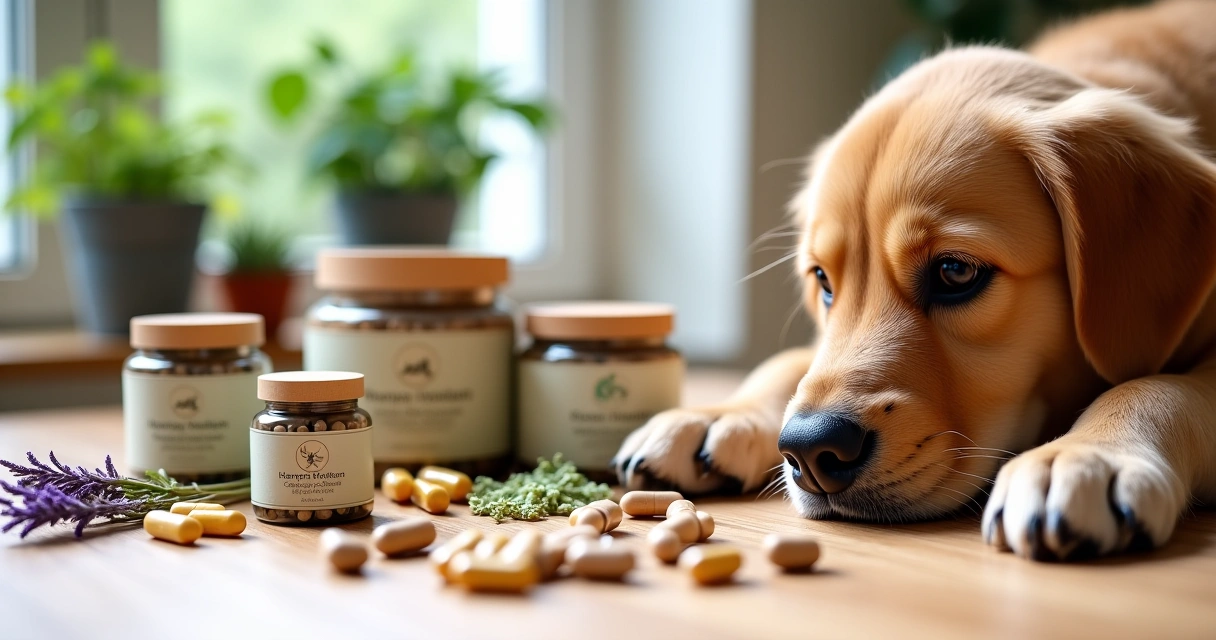
Diy Natural Sunscreen Recipe Protects Pet Skin
Table of Contents
- Why Your Pet Needs Natural Sun Protection
- Understanding UV Risks for Pet Skin
- Essential Natural Ingredients for Pet-Safe Sunscreen
- Complete DIY Natural Sunscreen Recipe
- Step-by-Step Preparation Instructions
- Proper Application Techniques for Maximum Protection
- Testing for Skin Sensitivity Before Use
- Storage and Shelf Life Guidelines
- When to Reapply During Outdoor Activities
- Signs Your Pet Needs Immediate Sun Protection
- Frequently Asked Questions
- References
Pet parents can create effective natural sunscreen by combining two tablespoons coconut oil, one tablespoon shea butter, and one teaspoon non-nano zinc oxide powder with half a teaspoon beeswax. Melt ingredients in a double boiler, cool completely, then apply to vulnerable areas like noses and ears fifteen minutes before sun exposure. Reapply every three hours during outdoor activities. Always patch test first since pets have sensitive skin. This recipe provides genuine UV protection while remaining safe if licked, though understanding proper application techniques and recognizing early sunburn symptoms guarantees maximum effectiveness.
Why Your Pet Needs Natural Sun Protection
Most pet parents assume their furry friends are naturally protected from the sun’s harmful rays. Unfortunately, that’s not always true. White and light-colored pets face significant risks. So do recently groomed animals with thinner coats.
Sun damage accumulates over time, leading to painful sunburns, chronic inflammation, and potentially deadly skin cancer. Squamous cell carcinoma particularly targets vulnerable areas like noses, ears, and bellies—those adorable pink spots lacking pigment protection.
Certain breeds like Dalmatians and Bull Terriers are genetically predisposed to sun sensitivity. Even dark-coated pets can suffer burns on exposed skin areas. Dogs with sensitive skin require extra careful protection, especially those with light-colored fur who are most vulnerable to UV damage.
Sunburn prevention isn’t just about comfort—it’s essential pet safety. Repeated exposure creates lasting damage that compromises your pet’s quality of life. The most dangerous exposure occurs during peak sun hours from 9 a.m. to 3 p.m. when UV rays are strongest.
Natural sun protection helps caring pet parents prevent these serious health issues before they start. When choosing protection, look for products containing pet-safe ingredients like zinc oxide formulated specifically for animals. UV exposure can also trigger autoimmune diseases like discoid lupus and pemphigus in susceptible animals. Remember that windows transmit UV rays, so pets lounging by sunny windows indoors can still develop skin damage over time.
Understanding UV Risks for Pet Skin
Invisible danger lurks in every sunny day. UV damage affects our furry friends more than most pet parents realize. Those adorable pink noses? Prime targets. Light-colored pet breeds face the highest health risks, while darker fur provides natural protection—but not complete immunity.
Recognizing sunburn signs early prevents serious complications. Watch for redness, peeling, and sensitivity to touch. Unexplained whining or increased sensitivity often indicates your pet is experiencing discomfort from sun exposure. UV radiation also causes behavioral changes in animals, including reduced activity levels and increased stationary behavior patterns. The ozone layer absorbs most harmful UV rays, but significant amounts still reach your pet’s exposed skin. Certain breeds need extra outdoor safety measures:
| High-Risk Breeds | Protection Level Needed |
|---|---|
| Dalmatians, Bull Terriers | Maximum protection |
| White cats, Sphynx | Constant vigilance required |
| Chinese Crested dogs | Daily protective measures |
| Recently groomed pets | Temporary increased protection |
Repeated exposure leads to skin cancer—accounting for 30-40% of canine tumors. Smart protective measures today prevent tomorrow’s vet bills. Your pet’s skin health depends on understanding these risks before heading outdoors.
Essential Natural Ingredients for Pet-Safe Sunscreen
Creating effective natural sunscreen for pets requires understanding which ingredients actually protect without causing harm.
Natural sunscreen efficacy depends on carefully selected oils and butters that won’t poison your furry friend if they decide to taste-test their sun protection.
Coconut oil provides mild UV protection while moisturizing sensitive skin. Jojoba oil absorbs quickly without leaving greasy residue.
Essential oil benefits include lavender’s calming properties and neem’s anti-inflammatory action – perfect for sun-exposed areas. Cedarwood oil also offers natural insect-repelling properties that complement sun protection.
Shea butter and beeswax create physical barriers against harmful rays. They’re like tiny umbrellas for your pet’s skin. Red raspberry seed oil offers natural UV protection comparable to commercial formulations.
Aloe vera soothes irritation, while plant-based wax alternatives work for vegan formulations. For convenience, consider a non-aerosol bottle that delivers easy spray application without harsh propellants.
Skip zinc oxide and titanium dioxide – toxic when licked. Your pet’s safety trumps convenience every time. Lanolin acts as a deeply moisturizing barrier that protects delicate skin from sun damage.
If your pet does experience sunburn despite protection, pure aloe vera gel provides natural relief for irritated and damaged skin. For comprehensive protection, consider pairing natural sunscreen with UV-protective clothing specifically designed for dogs.
Complete DIY Natural Sunscreen Recipe
This straightforward recipe combines five powerhouse ingredients that work together like a protective shield for pet skin.
Mix two tablespoons coconut oil, one tablespoon shea butter, and one teaspoon non-nano zinc oxide powder. Add half teaspoon beeswax for consistency. Melt ingredients in double boiler, stirring until smooth. Cool completely before use.
This sunscreen formulation provides broad-spectrum protection while maintaining pet safety standards. No toxic chemicals. No artificial fragrances. Just natural barriers your dog won’t mind wearing.
Apply fifteen minutes before sun exposure on nose, ears, and belly. Reapply every three hours. Store in cool, dry place for up to six months.
Remember: patch test first. Watch for licking initially. And yes, your dog will probably try to eat it anyway. That’s why we use only pet-safe ingredients. Dogs with light-colored coats are especially vulnerable to sun damage and benefit most from consistent sunscreen application. Monitor your pet for any signs of skin irritation after initial use to ensure the homemade formula works well for their specific skin type. Even indoor pets can be at risk from UV exposure when they sunbathe by windows, so consider applying sunscreen during long lounging sessions near glass doors or windows.
Step-by-Step Preparation Instructions
Having the right recipe means nothing without proper execution. Creating effective pet sunscreen requires careful attention to detail and proper ingredient sourcing to maximize sunscreen benefits.
Start in a clean, well-ventilated workspace. Gather all pet-safe ingredients—aloe vera, willowherb, neem oil, and lavender oil. Double-check everything. Seriously, pets don’t need zinc oxide surprises.
| Step | Action | Time Required |
|---|---|---|
| 1 | Sanitize workspace and tools | 5 minutes |
| 2 | Measure ingredients precisely | 10 minutes |
| 3 | Mix and blend thoroughly | 15 minutes |
Wear gloves throughout preparation. Mix slowly, ensuring even distribution. Test consistency—it should spread easily without being runny.
Store in a cool, dark place using clean containers. Label clearly with preparation date. Always patch-test before full application. Your homemade formula should create a protective barrier that blocks the sun’s harmful rays, addressing the serious risk that skin cancer affects 15%-30% of pets. During hot weather, it’s especially crucial to keep dogs cool and prevent heatstroke while protecting their skin from harmful UV exposure. Your pet’s skin will thank you.
Proper Application Techniques for Maximum Protection
preventing immediate lick-off.
Distract with treats or toys for 5-10 minutes post-application.
Because honestly? Your dog will try to taste-test your handiwork.
Reapply every 2-4 hours and after swimming or excessive grooming sessions. Dogs with white fur or lighter skin pigmentation require more frequent applications since they’re at higher risk for sun damage.
Pay special attention to sensitive areas like the nose, lips, ears, groin, and belly where sun damage occurs most frequently. Dogs lying on concrete surfaces face increased sunburn risk due to reflected UV rays.
Testing for Skin Sensitivity Before Use
Why rush into slathering homemade sunscreen all over a pet without knowing if their skin will rebel? Smart pet parents know patch testing prevents disaster. Apply a small amount to a shaved area like the inner thigh, then wait and watch.
| Time Check | What to Look For | Action Required |
|---|---|---|
| Immediately | Redness, swelling | Remove if severe |
| 1 Hour | Hives, itching signs | Monitor closely |
| 24 Hours | Blisters, hair loss | Vet consultation |
| 48 Hours | Ulcers, scratching | Emergency care |
Ingredient sensitivities vary wildly between pets. Essential oils that smell divine? Potentially toxic. That innocent zinc oxide? Dangerous if licked. Test each ingredient separately before mixing your masterpiece. Documentation helps—snap photos at each interval. Your furry friend’s skin will thank you for this cautious approach.
For pets with known skin allergies or atopic dermatitis, consider consulting with a veterinary dermatologist who can perform intradermal testing to identify specific allergens that might trigger reactions to sunscreen ingredients. Before any testing procedure, it’s important to discuss medication management with your primary care veterinarian to ensure accurate results. A veterinary dermatologist can also recommend RAST testing as a blood-based alternative that doesn’t require sedation or shaving.
Storage and Shelf Life Guidelines
Proper storage transforms a carefully crafted sunscreen from potential pet protector into long-lasting skin shield. Think of it as preserving your furry friend’s armor against harmful rays.
Your homemade sunscreen needs proper TLC to maintain effectiveness:
- Choose the right storage containers – Glass jars or tins work best, keeping air and light out while preventing contamination.
- Monitor shelf life religiously – Most natural formulas last 3-6 months when stored correctly, but trust your nose over dates.
- Watch for warning signs – Rancid smells, color changes, or texture separation mean it’s time to toss and remake.
Store in cool, dark spaces. Room temperature works fine, but refrigeration extends longevity. Never leave your homemade sunscreen in hot cars or direct sunlight as extreme temperatures will compromise the formula’s protective qualities. Keep temperatures below 80 degrees to prevent the mixture from melting and losing its protective consistency.
Label everything with prep dates. Your dog’s skin deserves fresh protection, not expired experiments. Remember that commercial sunscreens often contain harmful ingredients that can hinder your pet’s natural vitamin D absorption from beneficial UVB rays.
When to Reapply During Outdoor Activities
Having fresh sunscreen ready means nothing if pet owners don’t know when their furfriend needs a protective top-up. The golden rule? Every two hours during outdoor adventures.
But here’s where reapplication timing gets tricky – active pups need more frequent touch-ups. Water-loving dogs require immediate reapplication after swimming. Every. Single. Time. No exceptions.
Activity intensity matters too. A leisurely stroll needs standard two-hour intervals, while hiking or beach volleyball demands hourly attention.
Peak sun hours (10 a.m. to 4 p.m.) call for vigilant monitoring. Watch for panting, seeking shade, or restless behavior. These signal reapplication time. For pets spending time in shaded areas or primarily indoors, minimal reapplication may be sufficient if they’re staying away from direct sunlight.
Don’t exceed 3-4 applications daily though – even natural ingredients need moderation. Hairless breeds like the Chinese Crested need extra diligence with these reapplication schedules due to their extreme vulnerability. Light-colored dogs with thin coats also require more frequent monitoring since they face higher sunburn risks than their darker, thicker-coated counterparts. Smart pet parents prepare by setting phone reminders. Because sunburned snouts aren’t cute on anyone.
Signs Your Pet Needs Immediate Sun Protection
When does sun protection shift from preventive care to urgent necessity? The moment you spot these telltale pet sunburn signs demanding immediate action.
Key skin irritation indicators requiring instant intervention:
- Visible redness or pinkness on nose, ears, or belly—especially if warm to touch
- Behavioral changes like excessive scratching, seeking shade, or flinching when petted
- Textural changes including dryness, tenderness, or early blister formation
Your pet’s telling you everything. That sudden reluctance to go outside? Red flag. Scratching at previously ignored spots? Another warning.
Light-colored breeds and thin-coated companions show damage faster—their skin practically broadcasts distress signals.
Don’t wait for blisters or oozing wounds. These early signs mean your natural sunscreen application just became non-negotiable.
Prolonged sun exposure without protection increases the risk of developing skin cancer like squamous cell carcinoma in pets.
Remember that symptoms can develop rapidly, sometimes appearing within just 30 minutes of sun exposure.
Severe sunburn may cause lethargy or fever in addition to visible skin damage.
Trust your instincts. When in doubt, protect immediately.
Frequently Asked Questions
Can I Use This DIY Sunscreen on Cats and Dogs Equally?
No, DIY sunscreens cannot be used equally on cats and dogs. Cats have more sensitive pet skin and unique metabolic vulnerabilities to many ingredients. Sun exposure protection requires species-specific formulations, particularly for cats’ safety.
What SPF Level Does This Natural Homemade Sunscreen Provide?
Natural ingredients in homemade protection typically deliver SPF 10-35, with carrot seed oil providing up to SPF 35. However, without laboratory testing, exact protection levels remain estimates, requiring careful consideration for reliable pet sun safety.
Is This DIY Sunscreen Safe if My Pet Licks It Off?
DIY sunscreens typically lack pet safe ingredients and lick safe formulation, posing toxicity risks if ingested. Pet owners should prioritize veterinary-approved products or physical barriers like clothing to safely protect their animals from harmful UV exposure.
Can I Add Essential Oils to Enhance the Sunscreen’s Effectiveness?
Like adding fragrance to armor doesn’t strengthen steel, essential oils won’t enhance sunscreen effectiveness. While natural ingredients like lavender offer skin-soothing benefits, caregivers should rely on proven UV blockers for protection, not essential oil benefits.
How Does This Compare to Commercial Pet Sunscreens in Effectiveness?
Commercial alternatives undergo rigorous SPF testing and regulatory oversight, providing verified protection levels. Natural ingredients in DIY formulations lack standardized testing, making their effectiveness inconsistent compared to regulated commercial pet sunscreens with proven UV protection.
References
- https://pawsnbootsllc.com/product/all-natural-sunscreen-for-animals/
- https://www.gerrardlarriett.com/shop/pet-grooming/vitamin-essential-oil-sunscreen-and-skin-conditioner-for-dogs/
- https://mypetsunblock.com
- https://www.dogsnaturallymagazine.com/do-dogs-need-sunscreen/
- https://sitstayforever.com/products/sun-screen-for-dogs-and-cats
- https://www.dvm360.com/view/diagnosis-and-treatment-solar-dermatitis-dogs
- https://www.canadianveterinarians.net/related-resources/the-effect-of-sun-exposure-on-animals/
- https://www.skincancer.org/blog/protect-your-pets-from-skin-cancer-2/
- https://www.petpoisonhelpline.com/blog/sunburn-in-companion-animals-part-1-cats-and-dogs/
- https://petcancerfdn.org/pet-health/sun-and-radiation-safety/
See Also
Frequently Asked Questions
How do I choose the right natural sunscreen ingredients for my pet's sensitive skin?
Select non-nano zinc oxide powder as the primary active ingredient because it provides broad-spectrum protection without penetrating the skin. Combine this with soothing carriers like shea butter and beeswax to create a barrier that locks in moisture while blocking UV rays.
Is it worth making DIY natural sunscreen instead of buying commercial pet products?
Creating your own allows you to control the exact concentration of zinc oxide and avoid unnecessary fillers found in some store-bought options. This approach ensures the formula is specifically tailored to your pet's skin sensitivity while remaining cost-effective for long-term use.
What is the best ratio of coconut oil to beeswax for a stable sunscreen emulsion?
The optimal balance involves using two tablespoons of coconut oil paired with half a teaspoon of beeswax to ensure the mixture hardens properly upon cooling. This specific ratio prevents the sunscreen from becoming too greasy while maintaining enough wax to adhere to your pet's fur.
How do I apply natural sunscreen to prevent it from rubbing off during play?
Apply the cooled mixture directly to exposed skin areas like ears, nose, and belly before your pet goes outside. Gently massage the product into the skin rather than just coating the fur to ensure the zinc oxide layer stays intact during activity.
How do I choose between shea butter and other oils for my pet's sunscreen recipe?
Shea butter is ideal because it offers superior emollient properties that soothe dry skin while helping to bind the zinc oxide powder evenly. Unlike lighter oils, it creates a thicker consistency that stays in place better on pets with short or medium-length coats.
What is the best way to melt ingredients without degrading the natural sunscreen properties?
Use a double boiler method to gently heat the coconut oil, shea butter, and beeswax until fully melted without reaching high temperatures. Avoid direct heat sources that could alter the chemical structure of the zinc oxide or cause the oils to oxidize prematurely.