Herbal Remedies Pet Travel Anxiety
Table of Contents
Natural herbs offer gentle relief for travel-stressed pets without pharmaceutical side effects. Passionflower boosts calming GABA levels, while valerian root provides sedation minus the morning-after grogginess. L-theanine keeps pets relaxed yet alert—perfect for active travelers. Chamomile reduces cortisol and muscle tension during those bumpy rides. Essential oils like lavender show scientifically-proven calming effects when properly diluted. Start remedies three days before departure and consult your vet for safe dosing. These time-tested solutions transform anxious journeys into peaceful adventures.
Main Points
- Passionflower, valerian root, L-theanine, and chamomile are effective natural herbs that reduce pet anxiety without pharmaceutical side effects.
- Essential oils like lavender, chamomile, and frankincense provide scientifically-proven calming effects through diffusion or topical application with carriers.
- Begin administering herbal remedies three days before travel for optimal effectiveness and monitor pets for stomach upset or sleepiness.
- Proper dosing is critical: valerian root requires 1-7.5g dried daily while chamomile needs 0.25-0.5mL per 20 pounds body weight.
- Consult a veterinarian before using herbal remedies to ensure safe usage and avoid adverse effects in your pet.
Natural Calming Herbs and Supplements for Traveling Pets
Passionflower increases calming GABA levels. Valerian root gently sedates without the pharmaceutical hangover. L-Theanine promotes relaxation minus drowsiness—ideal for pets who need chill vibes, not naptime.
Each offers targeted relief for situational anxiety. Chamomile can also help by lowering cortisol levels and reducing muscle tension during stressful travel situations. These remedies can be used alongside other treatments without known interactions, providing flexibility in your pet’s care plan. Unlike conventional medications that may take several weeks to show effects, these natural options can provide more immediate relief for travel-related stress. For pets returning from boarding experiences, these same stress recovery supplements can help ease the transition back to their normal routine.
These fast-acting remedies work similarly for other high-stress situations your pet may encounter beyond travel. Natural supplements can also provide comfort for pets left at home during summer vacations when owners travel without them.
Natural doesn’t mean “wing it” though. Consult your vet first. Because helping anxious pets shouldn’t stress you out.
Essential Oils and Aromatherapy Solutions for Travel Anxiety
Several essential oils pack serious calming power for travel-stressed pets. Lavender leads the pack—a 2006 clinical trial showed dogs experiencing less movement and vocalization during car rides when exposed to this purple powerhouse.
Lavender’s scientifically-proven calming effects make it the top choice for reducing pet anxiety during stressful car journeys.
Essential oil benefits extend beyond lavender, though. Chamomile, frankincense, and cedarwood offer similar soothing effects for anxious travelers.
Aromatherapy techniques vary from simple diffusion in vehicles to spray mists using hydrosols on bedding. Topical application works too. Just remember—carrier oils are mandatory. Never apply undiluted oils directly to pet skin. Ouch. When diffusing oils in your vehicle, maintain proper ventilation to ensure your pet’s safety and comfort. Consider pairing aromatherapy with sound machines that provide consistent white noise to mask sudden travel sounds that might startle your pet.
For DIY enthusiasts, try blending neroli, petitgrain, and lavender in carrier oil. Ancient remedy meets modern travel chaos. Essential oils work through aromatherapy mechanisms that directly impact the amygdala, your pet’s emotional processing center in the brain. Always introduce new oils gradually by letting your dog sniff the bottle first to gauge their reaction before application.
While peer-reviewed evidence strongest supports lavender, many pet parents swear by frankincense for emotional stability during new environments. Worth exploring.
Safe Dosing and Application Methods for Herbal Remedies
While herbal remedies offer gentle anxiety relief, getting the dosing right separates helpful healing from expensive pet treats that do absolutely nothing.
Proper dosing guidelines matter enormously—valerian root ranges from 1-7.5g dried or 5 drops of tincture three times daily, while chamomile needs just 0.25-0.5mL per 20 pounds of body weight. Start small. Always.
Application techniques vary wonderfully. Tinctures go directly in mouths, water bowls, or food—whatever your finicky friend accepts.
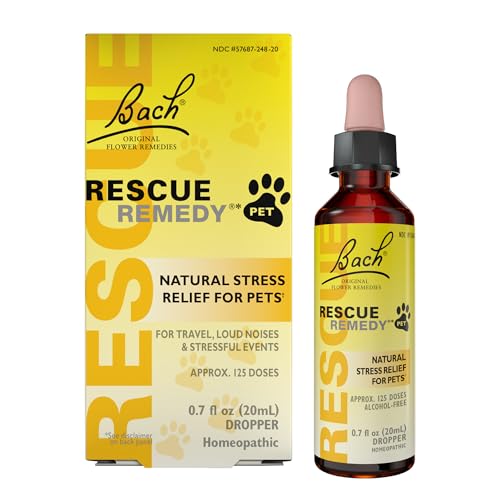
Homeopathic drops like HomeoPet dose by weight, from 5 drops for tiny dogs to 20 for giants. These remedies are non-sedating yet effectively address symptoms like drooling, vomiting, and restlessness during travel. Many formulations are safe for pets of all ages and sizes, making them versatile options for multi-pet households.
Begin three days before travel. Monitor for stomach upset or excessive sleepiness. Quality sources prevent contamination disasters. Consider portable calming aids that can be easily packed and administered during the journey itself.
When in doubt, consult holistic veterinarians—they prevent well-meaning pet parents from accidentally creating doggy zombies. Additionally, avoid giving valerian to dogs with itchy coats or excessive panting, as this “hot” herb can worsen these conditions.
Frequently Asked Questions
Can Pregnant or Nursing Pets Safely Use Herbal Remedies for Travel Anxiety?
Most herbal remedies aren’t recommended due to limited herbal safety data for pregnant/nursing pets. Special nursing considerations include potential fetal harm and toxicity risks. Veterinary consultation remains essential before considering any herbal anxiety interventions.
How Long Before Travel Should I Start Giving My Pet Herbal Remedies?
Like planting seeds before harvest, best herbal timing requires starting remedies one week before departure. Effective travel preparation tips include testing doses early, monitoring pet responses, and adjusting accordingly to ensure safe, predictable calming effects.
Are There Any Herbal Remedies That Should Be Avoided With Prescription Medications?
Yes, chamomile, valerian root, passionflower, and CBD supplements should be avoided with sedatives like gabapentin or trazodone. Pet owners need an interactions checklist and veterinary consultation to ensure medication safety before combining treatments.
What Signs Indicate My Pet Is Having an Adverse Reaction to Herbs?
Ironically, “natural” doesn’t mean harmless—vomiting, diarrhea, lethargy, tremors, skin rashes, or breathing difficulties signal adverse herb interactions. Pet owners should follow dosage recommendations carefully and discontinue use immediately when concerning symptoms appear.
Can I Combine Multiple Herbal Remedies or Should I Use Only One?
Veterinary experts recommend starting with single herbal remedies rather than combining multiple options. While remedy combinations may offer herbal synergy benefits, they increase interaction risks and oversedation potential, requiring professional guidance for safe implementation.
Conclusion
Like a gentle anchor in stormy seas, herbal remedies offer pet parents natural pathways to calmer journeys. These botanical allies won’t magically transform your anxious furball into a zen master overnight. But they’re solid tools in your travel toolkit. Start slow. Test at home first. Your vet remains your copilot—not your passenger. Because every pet deserves to explore the world without their nervous system staging a full revolt at highway speeds.
References
- https://www.onlynaturalpet.com/products/homeopet-travel-anxiety
- https://drjudymorgan.com/products/homeopet-travel-anxiety
- https://www.dogsnaturallymagazine.com/dog-car-sickness-4-natural-remedies/
- https://botanicalanimal.com/safe-journey
- https://thekindpet.com/blogs/blog/natural-remedies-for-dog-anxiety
- https://lagunabeachvet.com/holistic-ways-to-reduce-pet-anxiety-during-fall-holidays/
- https://www.petmd.com/dog/general-health/how-to-calm-your-dog-naturally
- https://us.streamz-global.com/blogs/articles/holistic-approaches-to-relieving-stress-and-anxiety-in-dogs-herbs-and-natural-supplements
- https://www.homeopet.com/product/travel-anxiety/
- https://www.dogsnaturallymagazine.com/6-natural-solutions-for-dog-anxiety/
See Also
Frequently Asked Questions
How do I choose the right herbal supplement for my anxious dog or cat before a trip?
Select supplements based on your pet's specific weight and severity of anxiety, focusing on ingredients like passionflower for GABA support or valerian root for mild sedation. Always consult your veterinarian first to ensure the chosen product is safe for your pet's medical history.
What is the best natural calming herb for pets without causing morning-after grogginess?
L-theanine is often considered one of the best options because it promotes relaxation while keeping pets alert and functional. Valerian root also provides sedation but may cause drowsiness, so L-theanine is preferable if your pet needs to stay active after travel.
How do I apply essential oils safely for pet travel anxiety?
Use only pet-safe essential oils in a diffuser with proper ventilation, never applying them directly to the animal's skin or fur. Ensure the room is well-ventilated to prevent respiratory irritation, as cats and dogs have different sensitivities to aromatic compounds.
Is it worth using herbal remedies instead of pharmaceutical anti-anxiety medication for travel?
Herbal remedies are worth considering if you want to avoid the side effects associated with pharmaceutical drugs, such as excessive sedation or nausea. They offer a gentler approach that can be effective for mild to moderate anxiety when dosed correctly.
How do I calculate the safe dosage of herbal supplements for my pet?
Dosage is typically determined by your pet's body weight and should strictly follow the manufacturer's guidelines or veterinary recommendations. Never exceed the recommended amount, as even natural herbs can cause adverse reactions if overdosed.
What are the essential steps to prepare my pet with herbal aids before a long car ride?
Introduce calming herbs like passionflower or valerian root several days before travel to assess tolerance and effectiveness. Combine these with safe aromatherapy methods in the vehicle to create a consistent, non-pharmaceutical routine for your pet.
How do I know if natural calming herbs are effective for my pet's travel stress?
Monitor your pet's behavior during short test drives or before minor trips to see if they remain calm and relaxed. Look for signs like reduced panting, normal posture, and a willingness to settle down quickly once the vehicle stops.