Holiday Stress Relief Pets
Table of Contents
Holiday stress hits pets harder than most owners realize, showing up as excessive yawning, lip licking, and that deceptively frantic tail wagging with stiff body language. Creating a quiet retreat room with familiar bedding helps anxious animals escape the chaos, while pheromone diffusers and consistent feeding schedules work wonders for maintaining their emotional balance. Thunder shirts provide comforting pressure for nervous pets, and blocking visual distractions reduces overstimulation during gatherings. Smart strategies make celebrations enjoyable for everyone.
Main Points
- Create a quiet retreat room with familiar bedding, toys, and water away from holiday guests and festivities.
- Maintain consistent feeding schedules and normal routines despite holiday disruptions to reduce pet anxiety.
- Use calming aids like pheromone diffusers, soft music, or compression shirts to help anxious pets relax.
- Watch for stress signs including excessive yawning, lip licking, stiff posture, or changes in eating habits.
- Provide pets the option to avoid overwhelming situations and retreat to designated safe spaces when needed.
Recognizing Signs of Holiday Stress in Your Pet
How can pet parents tell when their furry family members are feeling overwhelmed by the holiday chaos? Start by observing body language. That rapidly wagging tail isn’t always happy—especially when paired with stiff posture and wide, staring eyes. Classic stress moves.
A wagging tail with tense body language and staring eyes often signals stress, not happiness in pets.
Watch for subtle changes too. Excessive yawning during your dinner party? Not tired. Anxious. Lip licking without treats nearby signals discomfort. Your normally social cat hiding under the bed while guests arrive? Clear message there.
Identifying stressors means noticing routine disruptions. Changed eating habits, inappropriate elimination, or suddenly destructive behavior all scream “help me!”
Physical signs like trembling, excessive drooling, or digestive issues confirm what you’re seeing behaviorally. You might also notice hackling behavior when your dog’s fur spikes along their spine—an involuntary response that clearly indicates anxiety. Additionally, pets may display snapping and growling when they feel cornered or overwhelmed by holiday activities.
The key is early recognition of these warning signs before stress escalates into more serious behavioral or health problems. During particularly intense episodes, pets may experience full-blown panic attacks that require immediate intervention to prevent escalation.
If your pet is returning from vacation boarding during the holidays, they may need extra support as they readjust to familiar surroundings while managing stress recovery from their time away. Consider implementing schedule transition aids and natural calming remedies to help your pet gradually adapt back to their normal routine.
Trust your instincts. You know your pet best.
Creating a Calm Environment During Festive Celebrations
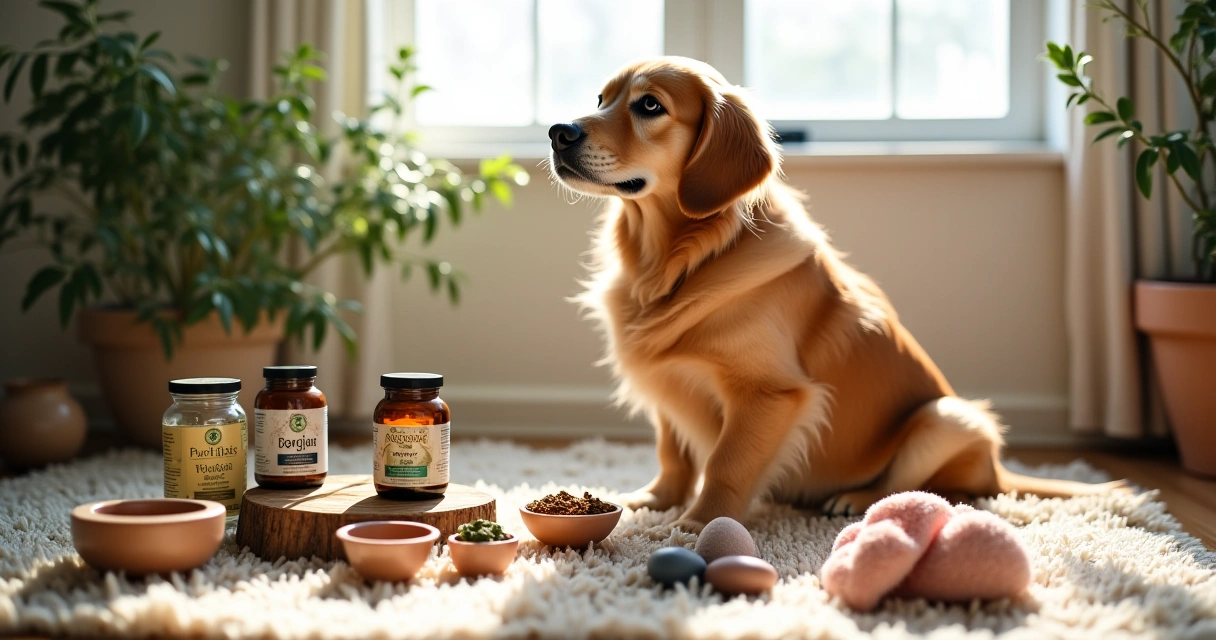
While recognizing stress signals helps pet parents identify problems, creating sanctuary spaces transforms chaotic celebrations into manageable experiences for anxious animals. A designated safe retreat becomes your pet’s holiday headquarters—think spa day, not prison sentence.
Environmental modifications work wonders for frazzled furry friends:
- Set up a quiet retreat room with familiar bedding, favorite toys, and fresh water away from party central.
- Use calming background sounds like soft music or white noise to mask Uncle Bob’s booming holiday stories.
- Deploy pheromone diffusers that release those “everything’s-fine” chemical signals pets naturally understand. While originally designed to ease storm anxiety, these devices prove equally effective during holiday gatherings with their overwhelming sights and sounds.
- Block visual chaos with curtains or barriers near high-traffic areas where guests congregate.
These simple adjustments create peaceful havens where stressed pets can decompress. Thunder shirts use calming pressure to help anxious pets feel more secure during overwhelming holiday situations. Maintaining consistent routines throughout the holiday season provides additional comfort and predictability during otherwise disruptive celebrations. Consider compression shirts as another effective tool to help anxious pets feel secure and grounded during overwhelming festivities. The gentle, consistent pressure from compression vests mimics the feeling of being swaddled, naturally reducing anxiety levels in both dogs and cats. Structured introductions to guests can help ease anxiety for sociable pets who want to participate but feel overwhelmed by large groups.
Sometimes the best gift is simply giving anxious animals permission to opt out of festivities entirely.
Maintaining Routines and Managing Travel Anxiety
Keep feeding schedules sacred. Same times, same bowls, same locations when possible. Your cat’s 6 AM breakfast demand? Non-negotiable, even on Christmas morning.
Travel preparation requires strategic planning. Introduce carriers gradually—nobody wants a feline meltdown at 30,000 feet. Specialized portable calming aids can make the difference between a peaceful journey and a stressful ordeal for both you and your pet.
Pack familiar bedding and toys; comfort items work like emotional security blankets. 41% of pet owners say pets can’t travel without their favorite toy. Schedule departures during normal activity windows to minimize routine shock. Consider natural remedies like ginger or calming herbs to help soothe travel anxiety in your pets. During holiday gatherings, remember that 58% of dogs experience anxiety when meeting strangers at family celebrations.
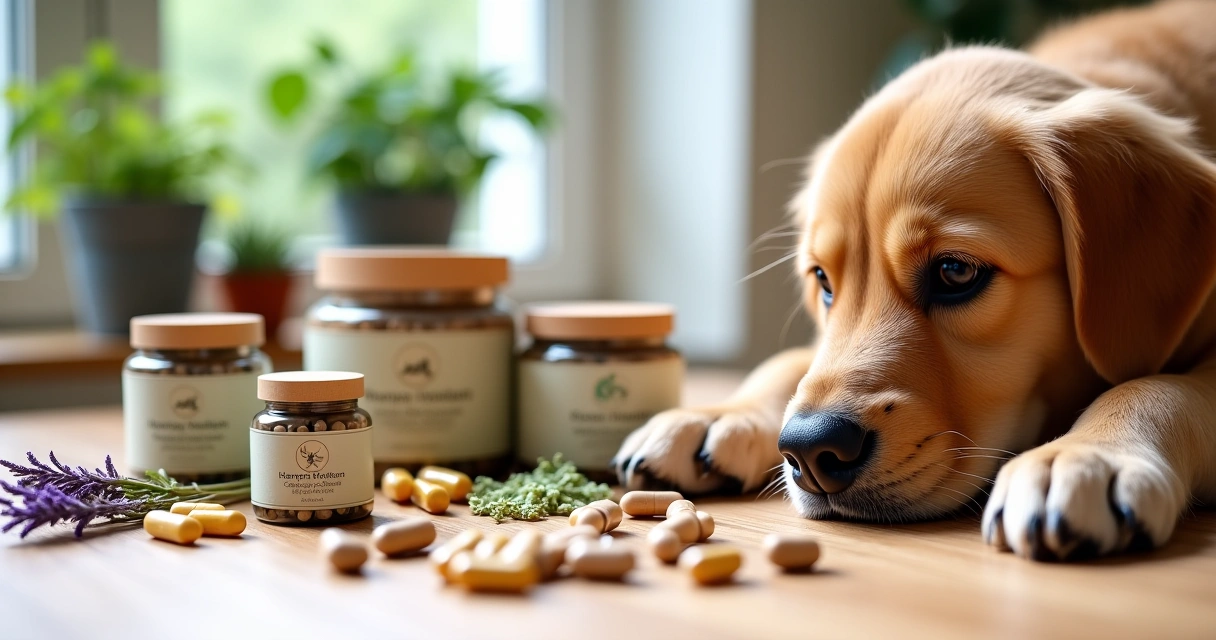
Your pets will thank you with fewer stress-induced “accidents.” Remember that 69% of pet owners recognize how effectively pets help reduce stress and anxiety during challenging times. For pets staying behind during summer vacations, calming supplements can provide natural anxiety relief while you’re away.
Frequently Asked Questions
Are Rescue Pets More Susceptible to Holiday Stress Than Other Pets?
Yes, rescue pets exhibit greater holiday stress susceptibility due to past trauma and instability. Their rescue pet behavior shows heightened anxiety responses to holiday environment changes, requiring extra support and consistent routines to help them cope effectively.
Can Extreme Weather During Holidays Make My Pet’s Stress Worse?
While some dismiss weather effects on pet behavior, extreme temperatures absolutely intensify holiday stress. Heat above 32°C increases mortality risk, while storms trigger fear responses, creating compounded stress requiring immediate owner intervention.
Do Cats Experience More Holiday Stress Than Dogs?
Yes, cats typically experience more holiday stress than dogs. Feline behavior shows greater sensitivity to holiday changes due to their territorial nature, lower baseline relaxation scores, and reduced adaptability to environmental disruptions and routine modifications.
Will Multiple Pets in My Household Stress Each Other During Holidays?
Yes, multiple pets will stress each other during holidays. Despite owners’ delusions of harmonious pet dynamics, holiday interactions inevitably trigger competition, aggression, and anxiety among household animals as routines disrupt and environmental stressors multiply exponentially.
Can Holiday Stress Cause Actual Health Problems in My Pet?
Yes, holiday anxiety can trigger serious physical symptoms in pets including immune suppression, digestive issues, inappropriate elimination, and trembling. Chronic stress may worsen existing conditions, particularly affecting older animals and potentially requiring emergency veterinary intervention.
Conclusion
The holidays don’t have to turn your furry family into basket cases. Simple awareness goes a long way. Stick to routines when possible. Create quiet spaces. Watch for stress signals. These small acts of kindness can transform chaotic celebrations into peaceful moments your pets actually enjoy. After all, the greatest gift isn’t under the tree—it’s a relaxed, happy companion who feels safe in their own home during the festive madness.
References
- https://www.ksre.k-state.edu/news/stories/2017/12/2017-holidays-pets.html
- https://animalemergencyservice.com.au/blog/christmas-dangers-for-pets/
- https://pmc.ncbi.nlm.nih.gov/articles/PMC9480616/
- https://pmc.ncbi.nlm.nih.gov/articles/PMC10812047/
- https://us.virbac.com/home/resources/blog/pagecontent/the-buzz-and-bark-from-virbac/do-the-holidays-stress-out-your-pet.html
- https://www.avma.org/resources-tools/pet-owners/petcare/holiday-pet-safety
- https://prairie-care.com/holiday-pet-lessons/
- https://cadenceah.com/holiday-stress-in-dogs/
- https://www.kananvet.com/blog/how-to-reduce-holiday-stress-in-pets
- https://petpace.com/a-guide-to-managing-holiday-stress-for-your-pets/
See Also
Frequently Asked Questions
How do I recognize signs of holiday stress in my dog or cat?
Look for behavioral cues such as excessive yawning, frequent lip licking, and a deceptively frantic tail wag combined with stiff body language. These symptoms often indicate that your pet is overwhelmed by the festive environment.
What is the best way to create a calm environment for anxious pets during celebrations?
Set up a quiet retreat room equipped with familiar bedding and remove potential stressors like loud decorations or guests. This safe space allows your pet to escape overstimulation and regain their sense of security.
How do I choose the right supplements to help manage my pet's travel anxiety?
Select calming supplements specifically formulated for dogs or cats that contain ingredients like L-theanine or chamomile. Consult your veterinarian to ensure the dosage is appropriate for your pet's weight and health history before starting.
Is it worth maintaining strict routines during the holidays for my pet's well-being?
Yes, sticking to regular feeding times and walk schedules provides a sense of normalcy that significantly reduces anxiety. Disrupting these routines can exacerbate stress symptoms in sensitive animals.
How do I help my cat cope with the noise and chaos of holiday gatherings?
Provide high vertical spaces like cat trees where your feline can observe the party from a safe distance. Additionally, use pheromone diffusers or calming sprays in their favorite rooms to promote relaxation.
What are the most common nutritional adjustments needed for pets during the holiday season?
Avoid sharing human foods that may be toxic, such as chocolate or onions, and stick to balanced pet nutrition plans. If you must treat your pet, choose vet-approved healthy snacks that do not upset their digestive system.
How can I prevent my dog from developing separation anxiety when guests arrive?
Train your dog to settle in a specific spot using interactive toys or puzzle feeders before guests enter. Consistent positive reinforcement helps them associate the busy environment with rewards rather than fear.