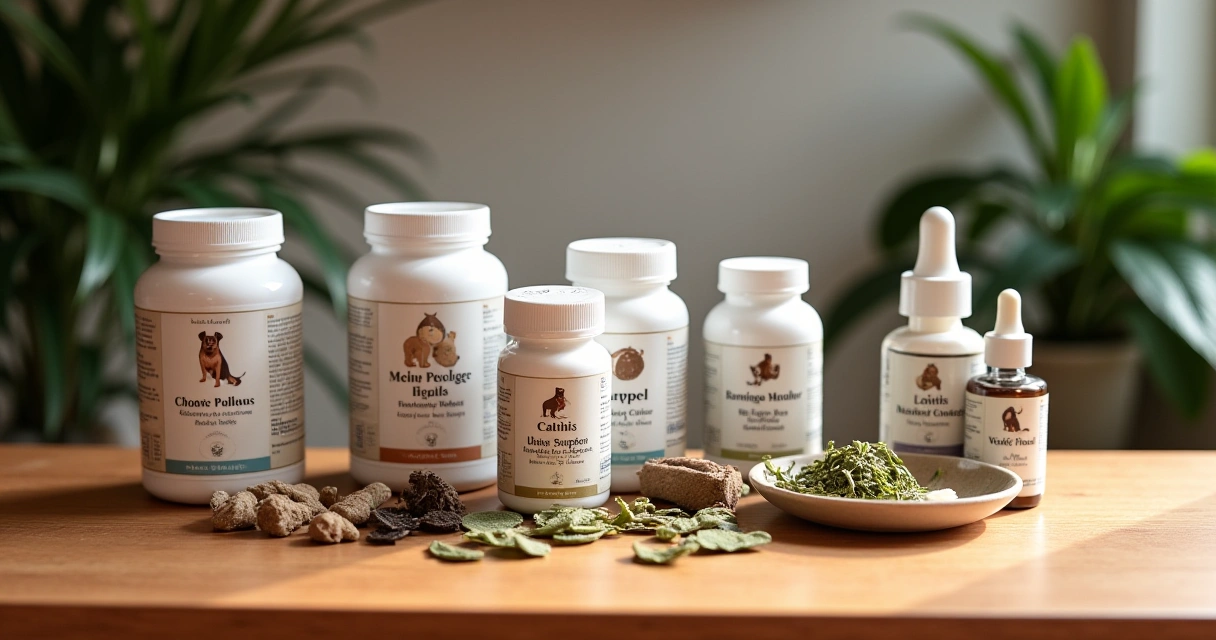
Holistic Skincare Sensitive Pets
Table of Contents
Holistic skincare for sensitive pets starts with identifying triggers like genetic predisposition, environmental allergens, or dietary factors that typically surface between ages one and three. Natural remedies including coconut oil’s antimicrobial properties, soothing aloe vera, and anti-inflammatory turmeric provide gentle relief without harsh chemicals. Daily routines featuring proper hydration, post-walk paw wipes, regular brushing, and weekly hypoallergenic baths help maintain healthy skin naturally. Understanding these fundamentals transforms pet parents into proactive partners in their furry friend’s comfort journey.
Main Points
- Use natural ingredients like coconut oil, aloe vera, and oatmeal baths to soothe inflammation and moisturize sensitive skin.
- Establish daily routines including fresh water access, paw wipes after walks, and regular brushing to distribute natural oils.
- Identify triggers such as environmental allergens, dietary proteins, and seasonal changes that commonly affect sensitive pet skin.
- Monitor symptoms like persistent scratching, hot spots, and excessive hair loss to catch skin issues early.
- Consider veterinary-formulated products and maintain consistent preventative care to reduce severity of skin sensitivities.
Understanding the Root Causes of Pet Skin Sensitivity
Complexity defines pet skin sensitivity—it’s never just one culprit wreaking havoc on your furry friend’s comfort.
Your Shar-Pei’s wrinkles aren’t just adorable. They’re genetic predisposition central. Same goes for those West Highland Terriers and Boxers—bred for beauty, cursed with sensitivity.
Environmental allergens love crashing the party too. Spring pollen makes your dog miserable. Winter heating systems dry out their skin. That “premium” kibble? Might contain their nemesis protein. Fall brings its own unique challenges as seasonal allergens trigger flare-ups, making natural supplements like quercetin increasingly valuable for sensitive pets.
Here’s the kicker: most sensitivity shows up between years one and three. Perfect timing, right? Just when you think you’ve got this pet parent thing figured out.
The good news? Understanding these root causes—genetics, environment, diet, parasites—gives you power. Knowledge beats guesswork every time. The persistent scratching, licking, and chewing creates a vicious cycle where hot spots develop from the constant irritation. Watch for excessive hair loss as another telltale sign that skin sensitivity has taken hold.
Don’t overlook the ears—frequent ear infections often signal that airborne allergens are targeting your pet’s most vulnerable areas. Summer’s high humidity creates perfect conditions for fungal infections to flourish on your pet’s already compromised skin. When sun exposure becomes another irritant, pure aloe vera gel can provide immediate cooling relief for affected areas.
Your veterinarian appreciates informed pet parents who recognize patterns.
Natural Ingredients and Remedies for Healthy Skin
Mother Nature packed her medicine cabinet with remarkable skin-soothers that work wonders for sensitive pets—no chemistry degree required. Coconut oil tops the list, delivering antimicrobial punch while moisturizing dry, flaky skin. Fermented versions? Even better absorption.
Aloe vera brings cooling relief to burns and bites, packed with skin-loving vitamins A, C, and E. These natural oils aren’t just trendy—they’re effective. Olive oil repairs cracked paw pads with vitamin E goodness. Cedarwood oil provides dual benefits by soothing sensitive skin while naturally repelling fleas and ticks.
Meanwhile, herbal treatments like chamomile rinses calm inflamed skin, and oatmeal baths soothe itchy patches beautifully. Creating anti-itch sprays with these natural ingredients provides targeted relief for persistent irritation without harsh chemicals. Mushroom extracts (yes, really!) like Reishi contain antihistamine compounds that tackle allergic reactions. Chaga mushrooms provide antimicrobial support that helps prevent bacterial and fungal overgrowth on compromised skin.
Hemp extract pairs perfectly with botanical sprays for between-bath relief. Turmeric paste reduces inflammation with its curcumin compound, particularly helpful for pets suffering from chronic skin conditions. For pets who spend time outdoors, pet-safe sunscreen made with natural zinc oxide can protect exposed areas from harmful UV rays. A balanced diet rich in omega-3 and omega-6 fatty acids provides essential nourishment that supports these topical treatments from within. Simple patch tests ensure safety. Nature’s pharmacy works—no fancy labels needed.
Creating an Effective Daily Skincare Routine
While nature’s remedies work their magic, the real secret lies in consistency—building a simple daily routine that keeps pet skin healthy before problems start.
Morning begins with checking water bowls. Daily hydration isn’t optional—it’s foundational for healthy skin barriers. Fresh water always available. No negotiations with your furry dictator. Antibacterial water bowls help maintain water quality by resisting bacterial growth that could compromise your pet’s health.
Post-walk means action time. Quick paw wipes remove allergens before they cause drama. Gentle cleansing with pet-safe wipes beats emergency baths later. Smart prevention. For pets prone to minor injuries during outdoor adventures, keep natural antiseptic sprays on hand for immediate wound care. Apply protective paw balms before walks to create a barrier against hot pavement and concrete surfaces.
Evening brings brushing sessions. Long-haired breeds need daily attention; short-haired companions get weekly sessions. This distributes natural oils and catches problems early. Skin abnormalities hiding under fluff? Brushing reveals them. Regular brushing also improves air circulation to the skin, helping prevent moisture buildup that leads to infections. Blood circulation in the skin gets a healthy boost during each brushing session.
Weekly gentle baths using hypoallergenic shampoos maintain cleanliness without stripping essential oils. Pat dry thoroughly—moisture trapped against skin invites trouble. Consider incorporating professional formulation products designed by vet dermatologists for targeted skin support.
Consistency trumps perfection. Simple daily steps prevent complex problems.
Frequently Asked Questions
Can I Use Human Skincare Products on My Pet’s Sensitive Skin?
No, human skincare products lack pet skin compatibility and pose serious safety risks. Human product safety standards don’t account for pets’ sensitive skin pH differences, increased permeability, and potential toxicity from common ingredients.
How Long Does It Take to See Improvement With Holistic Treatments?
Like nurturing a garden, holistic pet skincare requires patience. Treatment timelines typically show initial improvement within 2-4 weeks, with maximum benefits at 6-8 weeks. Careful symptom observation helps caregivers track their companion’s gradual healing journey.
Are There Specific Dog Breeds More Prone to Sensitive Skin Issues?
Yes, certain sensitive breeds are more susceptible to skin allergies. Bulldogs, Pugs, Labrador Retrievers, Golden Retrievers, and West Highland White Terriers commonly develop dermatitis, while German Shepherds and Cocker Spaniels frequently experience chronic inflammatory conditions.
Can Diet Changes Alone Cure My Pet’s Chronic Skin Problems?
While dietary supplements can be silver bullets for some skin allergies, diet changes alone rarely provide complete healing. Most chronic skin conditions require veterinary guidance alongside nutritional support for optimal results in beloved pets.
Is It Safe to Combine Multiple Natural Remedies at Once?
Combining multiple natural remedies can be safe when properly formulated in pet-appropriate concentrations. Understanding natural remedy interactions and holistic treatment effectiveness requires veterinary guidance to ensure optimal care for sensitive pets.
Conclusion
Caring for sensitive pet skin becomes a gentle dance between understanding triggers, embracing nature’s pharmacy, and establishing consistent routines. Like tending a delicate garden, patience yields the sweetest results. Natural ingredients work their quiet magic. Daily care matters more than expensive miracle cures. Most pets respond beautifully to holistic approaches. But remember—persistent issues need professional eyes. Your furry friend’s comfort is worth every thoughtful step in this journey toward healthier, happier skin.
References
- https://lagunabeachvet.com/holistic-skin-care-for-pets-preventing-dry-skin/
- https://puppylisa.com/collections/skin-care
- https://www.dogids.com/dog-skin-care-products/
- https://www.superiorcare.pet/blogs/news/derma-care-natural-skincare-for-pets
- https://www.mendotapet.com/collections/dog-skin-health-supplements
- https://www.snowfoxskincare.com/products/pet-pals-sensitive-skin-shampoo-conditioner-bar
- https://www.holisticanimalhealingclinic.org/blog/natural-skin-care-for-pets-managing-summer-humidity-in-new-hampshire
- https://anicura.com
- https://www.petmd.com/dog/general-health/dog-skin-allergies
- https://www.thekennelclub.org.uk/health-and-dog-care/health/health-and-care/a-z-of-health-and-care-issues/sensitive-skin-in-dogs/
See Also
Frequently Asked Questions
How do I choose the right natural ingredients for a pet with sensitive skin?
Focus on gentle, antimicrobial ingredients like coconut oil and avoid harsh chemicals that can trigger allergies. Look for products specifically formulated to address root causes such as environmental allergens or dietary sensitivities.
What is the best daily skincare routine for a dog with genetic skin predispositions?
Establish a consistent routine that includes gentle cleansing and applying natural remedies like coconut oil to soothe irritation. Consistency is key, especially since symptoms often emerge between ages one and three.
Is it worth investing in holistic pet skincare products for cats?
Yes, holistic products are highly effective for managing sensitive skin caused by environmental factors or food allergies. These natural remedies can reduce inflammation without the side effects associated with synthetic pharmaceuticals.
How do I identify if my pet's skin sensitivity is due to dietary factors?
Monitor your pet's reaction to new foods and look for signs of flare-ups that correlate with specific meals. Consider switching to a hypoallergenic diet or supplements designed to support skin health from the inside out.
What is the best way to treat environmental allergens affecting my pet's coat?
Reduce exposure by keeping your home clean and using natural topical treatments like coconut oil to create a protective barrier. Regular grooming helps remove allergens from the fur while maintaining skin hydration.
How do I know if a natural remedy is safe for my pet's sensitive skin?
Always perform a patch test on a small area of your pet's skin before applying full amounts of any new product. Ensure the ingredients list contains only proven, non-toxic components like those found in veterinary-recommended holistic lines.
What is the best approach for managing skin sensitivity in pets between one and three years old?
Proactively identify triggers early by observing behavior changes and skin texture as your pet matures. Implement a balanced nutrition plan and gentle skincare routine to prevent chronic issues before they become severe.