

How To Choose The Right Cat Scratching Pads 2026
As a holistic veterinarian, I often see scratching not just as a behavioral quirk, but as a vital physiological need for our feline companions. When we choose the wrong surfaces or textures, we aren't just risking damage to our furniture; we are potentially denying our cats the natural stretching and marking behaviors they require for physical health and emotional stability. Selecting the right scratching pad is less about aesthetics and more about understanding your cat's instinctual preferences for texture, stability, and orientation.
Our Top Picks
Affiliate disclosure: if you buy through these links, we may earn a commission at no extra cost to you.

Table of Contents

Quick Answer
The right cat scratching pad matches your cat’s preferred texture (sisal rope is generally superior to cardboard for durability), offers a stable base that doesn't wobble, and aligns with their natural stretching posture—vertical for tall cats, horizontal for sprawlers. Place the pad in high-traffic social areas where your cat spends time, rather than isolating it in a quiet corner, to encourage consistent use and maintain their bond with you.
Understanding Feline Instincts
Before diving into product specifications, it is helpful to understand the "why" behind the scratch. Cats scratch to shed old claw sheaths, stretch their muscles from shoulder to tail, and mark their territory visually and scent-wise via glands in their paws. From a wellness perspective, this activity is crucial for joint mobility and stress relief. If a scratching pad fails to satisfy these instincts, your cat will look elsewhere—usually that favorite armchair or rug.
Observe your cat’s body language when they stretch. Do they extend fully upward on their hind legs? They likely need a tall, vertical post. Do they lie down and drag their claws forward? They prefer a horizontal surface. Matching the orientation to their natural movement pattern is the first step in ensuring they actually use the pad you provide.
Material Matters: Sisal vs. Cardboard
The texture of the scratching surface dictates both durability and appeal. Sisal rope, typically wound around a post, is widely considered the gold standard for vertical scratchers. It offers enough resistance to allow for a deep stretch and provides a satisfying "rip" sensation without shredding instantly. For cats who are heavy scratchers or have longer claws, sisal lasts significantly longer than corrugated cardboard.
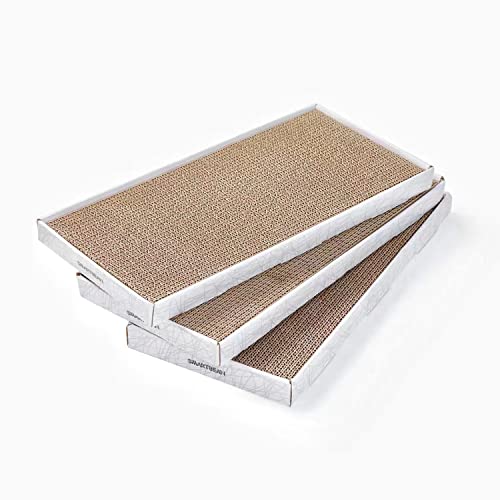
Cardboard scratchers, however, have their place. They are excellent for horizontal scratching and appeal to cats who enjoy the crinkly sound and soft give of the material. Cardboard is also biodegradable and often more affordable, making it a great option for multi-cat households where you might need to rotate pads frequently. However, be aware that cardboard breaks down quickly if exposed to humidity or enthusiastic clawing.
Stability and Structural Integrity
Nothing discourages a cat from scratching faster than a wobbly post. When a cat extends their body fully while scratching, they put significant weight on the base. If the pad tips or slides, it can startle them and create a negative association with the object. Look for scratchers with wide, heavy bases or those that can be anchored to the wall or floor.
For tall cat trees or vertical posts, ensure the base is weighted or wide enough to support the height. A good rule of thumb is that the base width should be at least one-third the height of the post. Additionally, check the quality of the glue or stitching holding the material together; loose fibers can be a choking hazard if ingested during grooming.
Strategic Placement for Success
Even the highest-quality scratching pad will be ignored if placed incorrectly. Cats are social animals, and they often scratch to communicate their presence to other pets or humans in the household. Therefore, place scratching pads in visible, high-traffic areas where your cat spends time, such as near the living room sofa or in a hallway they frequent.
Avoid placing scratchers in secluded corners or behind doors, which can feel isolating to a cat. Conversely, if your cat has already targeted a specific piece of furniture, place the new scratcher directly next to it. This allows them to transition their habit from the forbidden item to the appropriate one without feeling like they are losing their territory. Over time, you can gradually move the pad to a more aesthetically pleasing location.
Maintenance and Longevity
To ensure your investment lasts and remains hygienic, regular maintenance is key. For sisal posts, check for loose threads weekly and trim them to prevent tangling or ingestion. Vacuum cardboard scratchers regularly to remove debris and dust, which can accumulate in the grooves and deter use.
If a cat loses interest in a pad, it may be time to replace it rather than force usage. Cats are creatures of habit, but they also appreciate novelty. Rotating different textures or positions every few months can keep their environment stimulating and encourage them to explore new scratching spots, contributing to their overall mental wellness.
Frequently Asked Questions
How do I stop my cat from scratching the sofa?
Place a sturdy scratching pad directly next to the sofa and secure it. Use double-sided tape or a citrus spray on the sofa to make it unappealing, while rewarding your cat generously for using the new pad.
Is sisal safe for my cat's claws?
Yes, sisal is generally safe and ideal as it allows cats to shed old claw sheaths effectively. Just ensure the rope is tightly wound and free of loose ends that could cause tangling.
Why won't my cat use the new scratching post?
Cats may be hesitant due to placement or texture. Try moving it to a sunnier spot or near where they sleep, and sprinkle catnip on the surface to attract them initially.
How often should I replace a cardboard scratcher?
Replace it when the grooves are flattened out or when it becomes too shredded to provide resistance. This can range from a few weeks to several months depending on usage.
Can I use a vertical post for a cat that prefers horizontal scratching?
It is possible, but not ideal. Cats have individual preferences; forcing a vertical post on a horizontal scratcher may lead them to seek out other surfaces like rugs or mats.
Choosing the right scratching pad is an exercise in observing your cat’s unique personality and physical needs. By prioritizing stability, appropriate texture, and strategic placement, you create an environment that supports their natural behaviors and keeps your home harmonious. Start with a high-quality sisal post in a central location, observe how your cat interacts with it, and adjust as needed to support their long-term wellness.


