

How To Choose The Right Dog Car Seat Covers 2026
As a holistic veterinarian, I see the toll that travel takes on our pets' nervous systems and joints far too often. Whether it is a senior dog with hip dysplasia struggling to climb into the back of an SUV or a high-energy terrier whose anxiety leads to frantic scratching during a road trip, the environment inside your vehicle plays a massive role in their physical comfort and mental well-being. Choosing the right car seat cover isn't just about protecting your upholstery from mud and fur; it is about creating a safe, non-slip sanctuary that allows your pet to relax, reducing cortisol levels and making the journey as calming as possible for both of you.
Quick Answer
The right dog car seat cover should feature a heavy-duty, non-slip backing to prevent sliding (which causes motion sickness), waterproof lining to protect against accidents, and secure anchor straps that attach to your headrests or seat belt anchors. Prioritize breathable, hammock-style designs for larger dogs to allow leg movement, ensuring the material is free from toxic flame retardants and heavy metals.
Table of Contents
Our Top Picks
Affiliate disclosure: if you buy through these links, we may earn a commission at no extra cost to you.

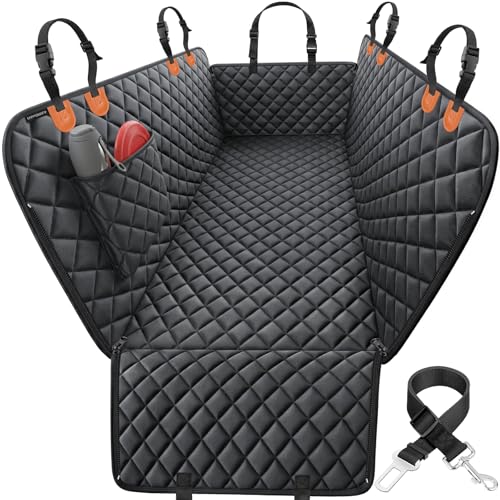

Understanding Non-Slip Safety Features
When we talk about safety in the car, we often think of harnesses and crash tests, but the surface your dog stands on is equally critical. A cover that slides even an inch while you are driving can startle a pet, triggering a panic response or causing them to lose their balance. For dogs with vestibular issues or those prone to motion sickness, this instability can be debilitating. Look for covers that utilize silicone dots or rubberized grips across the entire underside of the product.
It is not enough for the cover to stay put on a static seat; it must maintain grip during acceleration and braking. High-quality covers will also include side flaps that extend down the back of the front seats, creating a "wall" that prevents your dog from sliding forward into the footwell or between seats. This containment is vital for preventing injury during sudden stops.
Material Matters: Breathability and Toxicity
From a holistic health perspective, what your pet inhales and touches matters. Many inexpensive car seat covers are made from vinyl or PVC materials that can off-gas volatile organic compounds (VOCs), leading to respiratory irritation for pets with sensitive airways or allergies. When selecting a cover, seek out natural fabrics like canvas, cotton blends, or recycled polyester that are OEKO-TEX certified or explicitly labeled as free from heavy metals and toxic flame retardants.
Breathability is another key factor. Dogs regulate temperature primarily through panting and the pads of their feet. If a cover traps heat against the seat, it can contribute to overheating, especially in summer months or for brachycephalic breeds like Pugs and French Bulldogs. Mesh panels on the sides of hammock covers are excellent for airflow, allowing cool air to circulate while still providing protection.
Hammock vs. Bench: Fit for Your Dog's Size
The geometry of the cover should match your dog's anatomy and behavior. For large breeds like Labs, Golden Retrievers, or Great Danes, a hammock-style cover is generally superior. It creates a suspended bridge between the front and back seats, keeping the dog centered and preventing them from falling into the gap between seats—a common spot for paws to get stuck or for urine to leak through.
For smaller dogs or cats that prefer to curl up in a corner, a flat bench cover might be more appropriate. However, ensure the bench cover has raised edges or bolsters if your pet is an anxious sleeper. The sense of enclosure can mimic a den-like environment, lowering anxiety levels during travel. Always measure your dog's length from nose to tail base before purchasing to ensure the cover is long enough for them to lie flat without their tail dragging on the floor.
Protecting Joints with Cushioned Designs
For senior pets or those managing arthritis, standing on a thin layer of nylon for hours can be painful. The vibration of the car combined with a hard surface exacerbates joint inflammation. While most protective covers are thin to prevent slipping, some now offer quilted or padded interiors. These add a layer of comfort that supports soft tissue and joints without compromising the non-slip grip.
When evaluating cushioned options, ensure the padding is evenly distributed. Lumpy padding can create pressure points that are uncomfortable for arthritic dogs. Additionally, consider adding your own orthopedic foam pad on top of the cover for long trips. The cover protects your car; the orthopedic pad supports your pet's spine and hips.
Maintenance and Long-Term Durability
A car seat cover is a high-wear item. It will encounter mud, wet fur, dander, and potentially digestive accidents. Look for covers that are machine washable or at least easy to hose down. Heavy-duty Oxford cloth (600D or higher) is durable and resists tearing from claws, but it can be stiff. Lighter materials may be more comfortable but might wear out faster.
Check the stitching quality, particularly around the anchor straps and buckles. These are the stress points of the product. Reinforced stitching ensures that the cover stays secure during travel and doesn't rip apart when your dog shifts weight abruptly. Also, consider how easy it is to remove. A cover that takes twenty minutes to install is a cover you will eventually leave in the trunk.
Frequently Asked Questions
Is it safe for my dog to sleep in a hammock car seat cover?
Yes, hammock covers are generally safe and often preferred by dogs because they provide a contained, den-like space. Ensure the side flaps are securely buckled to prevent climbing over, and verify that the anchor straps do not interfere with your vehicle's airbag deployment zones.
Will a car seat cover help with motion sickness?
While a cover won't cure motion sickness, a non-slip surface helps stabilize your dog, reducing the physical jostling that can trigger nausea. Combining a secure cover with veterinary-approved calming aids or gradual desensitization training is the most effective approach.
How do I clean a car seat cover without removing it?
For minor spills, use a pet-safe enzymatic cleaner and blot (do not rub) the area. Many covers have removable anchor straps that allow you to detach the front or back quickly for a full wash, which is recommended every few months to remove accumulated dander.
Can I use a car seat cover with a crate in the back?
Absolutely. In fact, placing a crate on top of a waterproof car seat cover protects your vehicle from scratches and accidents while providing a secure base for the crate. Ensure the crate is strapped down separately for safety.
Are there eco-friendly options available?
Yes, many brands now offer covers made from recycled plastic bottles (rPET) or organic cotton. These materials are durable and often free from the harsh chemical treatments found in traditional synthetic fabrics.
Choosing the right car seat cover is an investment in your pet's comfort and your peace of mind. By prioritizing non-slip safety, breathable materials, and appropriate sizing, you transform the car from a stressful environment into a safe extension of your home. Remember that while these products support your pet's wellness, they are complementary to proper veterinary care and training. If your dog continues to show signs of severe anxiety or physical pain during travel, consult with your veterinarian for additional holistic or medical support.


