

How To Choose The Right Dog Cooling Mats 2026
As a holistic veterinarian, I see a distinct spike in anxious and overheated pets during the warmer months. Whether it is a senior Golden Retriever struggling with joint heat or an energetic puppy who doesn't know when to stop running, providing a designated cool-down zone is one of the most effective, non-invasive ways to support your pet's thermoregulation. Choosing the right cooling mat isn't just about buying a gadget; it is about selecting a tool that integrates safely into your home and effectively supports your pet's physiological comfort.
Our Top Picks
Affiliate disclosure: if you buy through these links, we may earn a commission at no extra cost to you.

Table of Contents

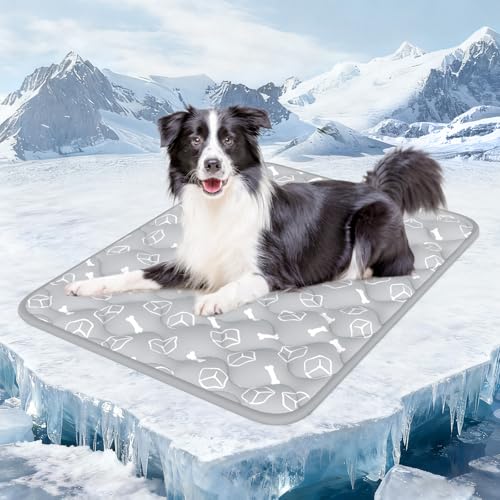
Quick Answer
The best dog cooling mat for most pets is a high-quality, non-toxic gel-free pressure-activated mat that requires no electricity or water. Look for mats made from safe, heavy-duty vinyl or durable nylon that resist punctures, ensuring your pet can lie on them safely without the risk of ingesting harmful chemicals if they chew through the surface.
Understanding Cooling Technologies
Not all cooling mats work the same way, and understanding the mechanism is crucial for setting realistic expectations. The most popular option in holistic pet care is the gel-free, pressure-activated mat. These mats utilize a specialized polymer that changes state from solid to liquid when weight is applied, absorbing your pet's body heat and dissipating it into the air. This process is entirely passive, meaning it works as long as your dog or cat is lying on it, providing relief without electricity.
In contrast, you may encounter electric cooling mats or water-filled pads. While these can offer immediate cold relief, they introduce electrical risks in a home with pets who chew, and water-filled mats can become dangerously heavy if punctured. From a safety-first perspective, I generally recommend sticking to passive gel-free mats for daily use. They mimic the natural coolness of stone or earth, which is often more appealing to animals than artificial cold sources.
Material Safety and Durability
When browsing for cooling mats, ingredient transparency regarding the materials is paramount. Cheap mats may contain PVC or phthalates that can off-gas harmful chemicals, which is particularly concerning if your pet has a habit of licking or chewing their bedding. Always look for mats labeled as non-toxic, BPA-free, and latex-free. The outer shell should be made from durable vinyl or heavy-duty nylon to withstand claws and teeth.
Durability is not just about the mat lasting longer; it is about preventing accidental ingestion of gel or plastic shards. If your pet is a gentle sleeper, a soft-sided nylon cover might feel more luxurious against their fur. However, for active dogs who dig before they lie down, a rugged vinyl exterior is essential. I often advise clients to inspect the seams closely; double-stitched seams are significantly less likely to fail under the pressure of a large breed dog.
Sizing for Comfort and Efficacy
A common mistake pet parents make is buying a mat that is too small. For a cooling mat to be effective, your pet needs to be able to stretch out fully so that their entire body surface area can contact the cool surface. If a dog is curled up tightly, only a small portion of their body is being cooled, which reduces the therapeutic benefit significantly.
Measure your pet from nose to tail while they are in their favorite sleeping position, then add 6-12 inches to each side. This extra space allows them to shift positions as they sleep without losing contact with the cooling surface. For larger breeds like Labradors or German Shepherds, a mat that is at least 30x40 inches is usually the minimum effective size, while smaller dogs may find a 20x30 inch mat perfectly adequate.
Placement and Routine Integration
The effectiveness of a cooling mat is heavily dependent on where you place it. Animals naturally seek out cool spots, so placing the mat in a high-traffic area or near a window can encourage use, but be mindful of direct sunlight. Direct sun will heat up the mat's surface and negate its cooling properties. Instead, look for naturally cool areas of your home, such as tile floors in the basement or shaded corners on the upper floor.
Integrating the mat into your pet's daily routine can also help them accept it. During the first few days, you might encourage use by placing their favorite chew toy or a small amount of wet food on the mat. This positive association helps anxious pets or those sensitive to new textures understand that this is a safe, comfortable resting spot rather than an unfamiliar object.
Maintenance and Longevity
Caring for a cooling mat is simple but requires consistency to ensure hygiene. Because pets lie directly on these surfaces, they can accumulate dander, dirt, and oils. Wipe the mat down with a damp cloth and mild pet-safe soap once a week. Avoid using harsh chemicals or abrasive scrubbers that could degrade the vinyl or nylon exterior.
Inspect your mat regularly for small punctures or wear and tear. Even a tiny hole can render the mat useless as it will no longer hold the polymer gel effectively. If you notice the mat becoming stiff or not cooling as well after a few years, it may be time to replace it. The lifespan of a good quality mat is typically 2-3 years with regular use.
Frequently Asked Questions
Do cooling mats work for cats?
Yes, many cats prefer the firm, cool surface of these mats over soft bedding. Look for smaller sizes and softer vinyl options that feel more like a cushion to feline paws.
Can I put my cooling mat in the washing machine?
No, never submerge a gel-free pressure-activated mat in water or put it in a washer. This can damage the internal polymer structure. Clean only by wiping with a damp cloth.
Will my dog chew through the mat?
While durable mats resist claws, determined chewers can puncture them. If your dog is an aggressive chewer, use the mat as a temporary relief tool in a supervised environment or inside a crate.
Do cooling mats need to be plugged in?
The best passive cooling mats do not require electricity. They work by absorbing body heat through pressure. Electric mats exist but pose higher safety risks for pets.
How long does it take for the mat to cool down after my pet gets up?
Most passive mats return to a solid state and are ready to cool again within 2-5 minutes once the weight is removed, making them effective for multiple pets taking turns.
Choosing the right cooling mat is a simple yet powerful way to support your pet's wellness during warm weather. By prioritizing non-toxic materials, appropriate sizing, and safe placement, you can provide a reliable sanctuary of comfort that complements your overall veterinary care plan. Start by observing where your pet seeks coolness in your home today, and select a mat that fits both their body and your lifestyle.


