

How To Choose The Right Cat Litter Mats 2026
If you have ever found a trail of litter granules leading from the box to your bedroom or kitchen, you know that the right containment solution is just as important as the litter itself. As a holistic veterinarian, I often see how environmental stressors and household cleanliness impact our feline friends' well-being; a chaotic litter area can lead to avoidance behaviors in cats, while tracking debris creates unnecessary allergens for both pets and people. Choosing the right mat isn't about aesthetics alone—it is about creating a sanitary buffer zone that supports your cat's hygiene and protects your home's air quality.
Our Top Picks
Affiliate disclosure: if you buy through these links, we may earn a commission at no extra cost to you.

Table of Contents
Quick Answer
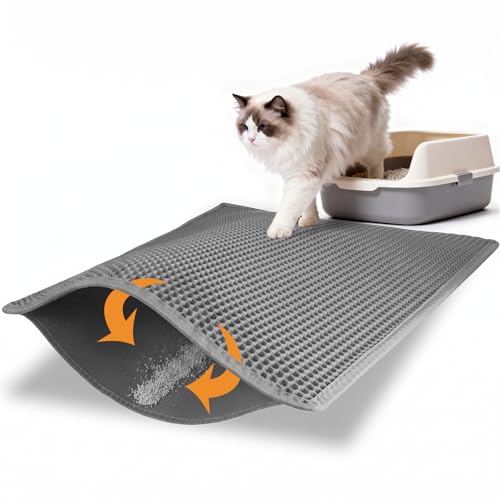
The best cat litter mats for 2026 are double-layered honeycomb or mesh designs that trap granules between layers, preventing them from reaching your floors. Look for materials that are non-toxic, easy to rinse clean, and sized appropriately for your litter box to ensure your cat feels comfortable walking on it without tripping.
Understanding Litter Tracking Mechanics
Cats are meticulous groomers, but their paws are naturally designed to dig. When your cat exits the box, tiny particles cling to their fur and pads due to static electricity and moisture. Over time, this "litter tracking" can introduce silica dust or clay particulates into your living space, which may irritate your cat's respiratory system—especially in breeds like Persians or Siamese who are prone to sensitive airways.
A high-quality litter mat acts as a mechanical filter. It catches the debris before it becomes airborne or settles into carpet fibers where it is nearly impossible to remove. Think of the mat as the first line of defense in your home's ecosystem, keeping the immediate vicinity of the litter box clean and reducing the need for harsh chemical cleaners.
Material Matters: Mesh vs. Rubber vs. Fabric
In recent years, we have seen a shift toward functional materials over decorative ones. The most effective mats today often feature a double-layer design. The top layer is typically a textured mesh or honeycomb structure that allows litter to fall through into a bottom collection tray. This "sandwich" effect traps the granules effectively.
Avoid thick, plush fabric mats near the litter box. While they feel nice underfoot for humans, they act like sponges for urine vapor and dust, harboring bacteria and odors that your cat can smell from feet away. Cats have a sense of smell 14 times stronger than ours; if the mat smells "litter-like," they may avoid using the box. Stick to smooth, non-porous materials like TPE (thermoplastic elastomer) or silicone for easy rinsing.
Size and Shape for Feline Comfort
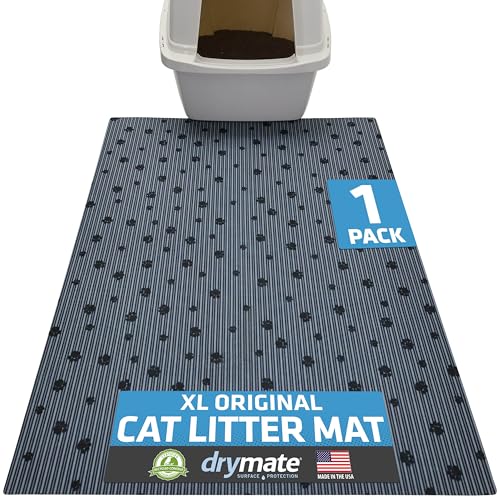
The geometry of your litter mat matters more than you might think. Cats need a sense of security when eliminating. If a mat is too small or has high, slippery edges, it can feel unstable under their paws, causing anxiety. I often advise pet parents to choose mats that are significantly larger than the litter box itself—ideally twice the width and length.
Rectangular mats are generally superior to square ones because they accommodate the natural stride of a cat exiting the box. Additionally, ensure the mat has a non-slip backing. A sliding mat not only fails to catch litter but can also startle your pet or cause them to slip, which is particularly dangerous for senior cats with arthritis.
Maintenance and Sanitation Tips
The best litter mat is one that stays clean. Mats that are difficult to empty will quickly become breeding grounds for bacteria and unpleasant odors. Look for designs with a removable bottom tray or those that can be easily flipped over and shaken out. Many modern mats are designed to be rinsed directly in the shower, which helps remove fine dust that vacuuming might miss.
Regular maintenance also involves checking the mat for wear and tear. Cracks in rubber mats can trap waste, while torn mesh loses its effectiveness. Incorporate a quick weekly rinse into your cleaning routine to ensure the area remains inviting for your cat and hygienic for your home.
Frequently Asked Questions
Do I really need a litter mat if I sweep every day?
Yes. Sweeping removes visible debris, but it does not catch the fine dust that becomes airborne or the granules that get kicked out during vigorous digging. A mat captures debris at the source before it spreads.
What is the best material for a cat with sensitive paws?
Soft, textured rubber or silicone mats are generally best. Avoid rough woven fabrics or hard plastic grids that might be uncomfortable for cats with paw pad sensitivity or arthritis.
How often should I replace my litter mat?
Replace your mat when it develops cracks, tears, or persistent odors that washing cannot remove. Typically, this is every 1-2 years depending on usage and material quality.
Can I use a rug pad under my litter mat?
It is generally not recommended. Rug pads can trap moisture and odors against the floor, creating a humid environment that encourages bacterial growth. A dedicated non-slip backing on the mat itself is safer.
Do litter mats help with cat allergies?
Indirectly, yes. By reducing the amount of litter dust and dander tracked into other rooms, a good mat helps lower the overall allergen load in your home, which can benefit both you and your pet.
Choosing the right litter mat is a simple step that yields significant benefits for both your home's cleanliness and your cat's comfort. By prioritizing function, size, and easy maintenance, you create a healthier environment that supports your pet's natural habits. Take a moment this weekend to evaluate your current setup and make the switch if needed—your cat (and your vacuum cleaner) will thank you.


