

How To Choose The Right Dog Harnesses 2026
The leash is often the first point of contact between you and your dog on a walk, making the harness more than just a piece of gear—it is a critical tool for communication and safety. In recent years, veterinary medicine has shifted away from traditional collars for daily walking due to the risk of tracheal collapse and eye pressure spikes, making the selection of a well-fitted harness an essential aspect of your dog’s long-term musculoskeletal health.
Our Top Picks
Affiliate disclosure: if you buy through these links, we may earn a commission at no extra cost to you.

Table of Contents

Quick Answer
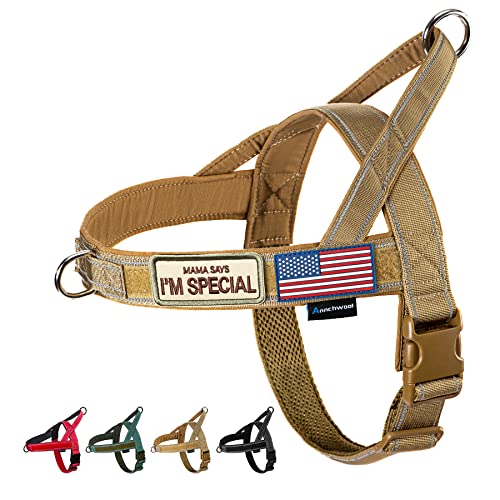
To choose the right dog harness, prioritize a design that distributes pressure across the chest and sternum rather than the neck. For most dogs, a front-clip harness offers the best balance of control and comfort, while step-in styles work well for confident walkers and those with mobility issues. Always ensure you can fit two fingers comfortably under any strap to prevent chafing or restricted breathing.
Understanding Harness Styles: Front-Clip vs. Back-Clip
The placement of the leash attachment point fundamentally changes how your dog moves and how much control you have. A back-clip harness attaches the leash between the shoulder blades. While these are easy to put on and allow dogs to walk naturally without restriction, they can inadvertently encourage pulling; when a dog feels resistance from a back clip, their instinct is often to lean forward into that pressure, similar to how a sled dog team moves. Front-clip harnesses attach the leash at the center of the chest. This design utilizes your dog’s own body mechanics against them in a helpful way: when they pull forward, the harness gently turns their torso toward you, naturally breaking their stride and redirecting their focus back to your side. For dogs that are reactive, overly excitable, or simply strong pullers, this redirection is invaluable for maintaining a calm walk.Evaluating Fit and Sizing for Safety
Sizing charts vary wildly between manufacturers, so relying solely on your dog’s weight can lead to dangerous gaps or tight spots. The most reliable method is measuring the girth—the widest part of the chest just behind the front legs. However, the fit is equally important; a harness must be snug enough that it doesn’t slide over the head when your dog pulls back, but loose enough to allow full range of motion in the shoulders. You should always perform the "two-finger rule" test. Slide two fingers under any strap on the harness; if you cannot fit them comfortably, it is too tight. Conversely, if you can easily bunch up three or more inches of slack, it is too loose and risks chafing the skin or slipping off entirely during an excited moment. Regularly re-measure your dog, especially if they are growing or have experienced recent weight changes due to dietary adjustments.Material Choices for Comfort and Durability
The materials used in a harness dictate both its longevity and your dog’s comfort level. Traditional nylon is durable and easy to clean, making it a staple for active dogs who love mud and water. However, some dogs are sensitive to the texture of woven fabric against their skin. In these cases, padded neoprene or soft mesh linings can provide a cushioning effect that prevents hot spots, particularly for short-haired breeds like Boxers or Whippets who lack a thick coat for protection. For outdoor enthusiasts, consider the hardware quality. Rust-resistant metal buckles and D-rings are essential if you frequently hike near saltwater or walk in rainy climates. Plastic clips can be lightweight and quiet, which is beneficial for sensitive dogs, but they may not withstand the force of a large, powerful dog pulling against a fence. Inspect your gear after every major adventure to ensure no components have become brittle or cracked.Special Considerations for Senior Dogs and Puppies
As our canine companions age, their physical needs change significantly. Senior dogs often suffer from arthritis in the shoulders or hips, making the leverage required to step into a traditional harness painful. For these pets, a vest-style harness that zips up the back or a "no-pull" design with minimal tension points can make walks enjoyable again rather than a source of discomfort. Additionally, high-visibility reflective strips are crucial for older dogs who may move slower on sidewalks or have dimmed vision. Puppies require a different approach entirely. Their bones are still developing, and their skin is delicate. A lightweight, soft-front harness helps teach them to walk without putting strain on their developing trachea or spine. Avoid heavy-duty gear meant for adult working dogs; instead, opt for adjustable, soft-sided options that grow with your puppy. This is also the perfect time to introduce the concept of wearing a harness as a positive experience, rather than just a tool for restraint.Breaking In Your Dog to a New Harness
Even the most perfectly fitted harness can cause stress if introduced abruptly. Dogs are creatures of habit, and a new sensation on their body can trigger anxiety or avoidance behaviors. Start the process indoors where there are no distractions. Let your dog sniff the harness, then reward them with high-value treats for simply investigating it. Next, associate the sound of the buckles clicking with treats, and finally, have them wear it for short periods while you play or feed meals. If your dog tries to remove the harness by biting at the straps, do not pull away; this can turn into a game. Instead, distract them with a toy or treat held near their nose to shift their focus. Gradually increase the wearing time over several days, eventually attaching the leash indoors before heading outside. A calm, positive association ensures that the harness becomes a cue for "walk time" rather than a source of tension.Frequently Asked Questions
Can a harness cause shoulder injuries?
Poorly fitted harnesses that restrict shoulder movement can contribute to strain. Ensure the chest strap sits well behind the front legs and does not rub directly on the joint.
Is it safe to leave a harness on my dog all day?
No. Harnesses should only be worn when you are actively supervising your dog. Leaving one on unsupervised can lead to snagging, chafing, or accidental strangulation.
What is the best harness for a puppy with a weak neck?
A front-clip soft vest harness is ideal as it distributes pressure across the chest and avoids direct tension on the trachea.
How do I stop my dog from slipping out of their harness?
Ensure you have tightened all straps after putting the harness on. If they are still slipping, the size is likely incorrect, or the shape does not match your dog’s body type.
Should I use a harness for car travel?
Yes, but only if it is specifically rated and certified for crash safety. Standard walking harnesses offer no protection in a collision and can become dangerous projectiles.
Selecting the right harness is an investment in your dog’s physical comfort and your shared bond during walks. By prioritizing proper fit, appropriate style, and gentle introduction, you ensure that every outing is safe and enjoyable for both of you. If you have concerns about your dog’s mobility or behavior with gear, consult your veterinarian or a certified force-free trainer for personalized guidance.


