

How To Choose The Right Dog Leashes 2026
As a veterinarian who has spent years observing the bond between humans and their dogs, I have learned that the leash is more than just a piece of nylon or leather; it is an extension of your communication with your companion. Choosing the right equipment is not about following fashion trends, but about respecting your dog’s anatomy, understanding their specific behavioral needs, and ensuring safety during those unpredictable moments when a squirrel darts across the path. The wrong tool can lead to tracheal damage in small breeds or reinforce pulling behaviors in large ones, while the right one fosters trust and keeps both of you safe.
Our Top Picks
Affiliate disclosure: if you buy through these links, we may earn a commission at no extra cost to you.
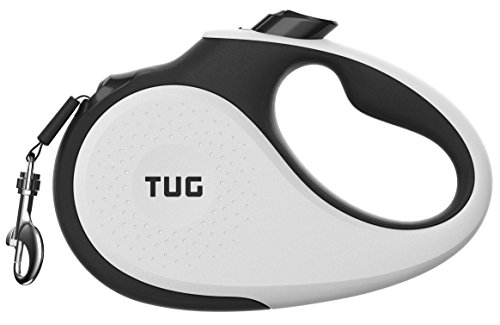
Table of Contents


Quick Answer
The best leash for your dog depends entirely on their size, strength, and training level. For most dogs, a standard 6-foot nylon or leather leash offers the perfect balance of control and freedom for daily walks. However, if you are dealing with a reactive dog, consider a front-clip harness paired with a fixed-length leash to prevent pulling, while puppies should start with lightweight, short leads to build focus without straining their developing joints.
Understanding Length and Material
The length of your leash dictates the amount of freedom your dog has to explore while remaining within your sphere of influence. For everyday walks in the neighborhood, a 4-to-6-foot fixed-length leash is generally ideal. This length keeps your dog close enough for quick corrections or recalls but allows them enough room to sniff and investigate their environment, which is crucial for their mental stimulation. Longer leashes, such as 15-to-30-foot lines, are wonderful tools for recall training in open fields, but they require a high level of trust and should never be used near roads or with dogs that haven't mastered basic "come" commands.
Material choice also plays a significant role in the walking experience. Nylon is durable, affordable, and comes in many colors, making it a staple for most pet parents. Leather offers a natural, soft feel that becomes more comfortable over time, though it requires maintenance to prevent cracking in dry climates. For hot summer days, consider a padded handle or a braided cotton leash; these materials breathe better and reduce the friction burn that can occur when a dog pulls against a thin synthetic rope.
Matching Leashes to Behavior and Training
Your dog’s personality should guide your equipment choice just as much as their breed. If you have a dog who pulls relentlessly, a standard leash can actually reinforce the behavior because the tension on the line signals to the dog that they are winning the tug-of-war. In these cases, switching to a front-clip harness connected to a fixed-length leash is often more effective. The front clip redirects the dog’s momentum toward you when they pull, naturally discouraging the behavior without causing pain or discomfort.
For dogs with anxiety or reactivity issues, consistency and predictability are key. Avoid retractable leashes for these scenarios. Retractable leashes keep constant tension on the collar, which can teach a dog to ignore cues and pull harder. They also offer little control in emergency situations, such as when another dog approaches unexpectedly. A fixed-length leash allows you to quickly create distance or bring your dog back to a safe zone, giving them the security they need during stressful encounters.
Safety Features for the Active Dog
Dogs who love water, hiking, or off-leash play in designated areas need gear that prioritizes safety and visibility. Reflective stitching or high-visibility colors are essential for early morning or evening walks, ensuring drivers and other pedestrians can see your dog from a distance. For active dogs, look for leashes with a secure metal clasp rather than plastic clips, which can snap under heavy load or become brittle in cold weather.
Another critical safety consideration is the "quick-release" mechanism on both the leash and any harness. In the event your dog gets tangled in brush, another leash, or their own legs, you need to be able to free them instantly without causing panic. Some leashes come with a built-in safety release that breaks away under extreme pressure; while this prevents injury from being dragged, it means you lose control of the dog entirely. For most pet parents, a strong metal carabiner combined with a well-fitted harness is the safer middle ground.
Special Considerations for Puppies and Seniors
Puppies are still developing their neck muscles and trachea, making them particularly vulnerable to injury from pulling. A lightweight, short leash (3-to-4 feet) is best for teaching loose-leash walking early on. It allows you to gently guide your puppy without the leverage they would have with a longer line. Avoid attaching heavy collars to young dogs; instead, use a well-fitted harness designed specifically for puppies to distribute pressure evenly across their chest.
As our dogs age, their needs change significantly. Senior dogs may suffer from arthritis, vision loss, or cognitive decline, requiring more support and patience. A leash with a padded handle reduces strain on your own hands and wrists, which is helpful if you are also managing the physical demands of guiding an older dog. For seniors with mobility issues, consider a leash attachment point that connects to the back of a harness, providing stability and balance assistance without putting pressure on their neck or throat.
Frequently Asked Questions
Are retractable leashes safe?
Retractable leashes are generally not recommended for training or reactive dogs because they maintain constant tension and offer poor control. They can also cause burns to your hands if a dog pulls suddenly. They are best reserved for open, low-traffic areas where you need maximum freedom for a well-behaved dog.
What is the best leash material for hot weather?
Braided cotton or lightweight nylon with a padded handle are excellent choices for hot weather. Synthetic materials like thin rope can get very hot and may burn your dog’s fur or your skin, while leather can become stiff and uncomfortable.
How do I choose between a collar and a harness?
For dogs prone to tracheal collapse (like Chihuahuas or Yorkies) or those who pull heavily, a front-clip harness is safer than a collar. For well-trained dogs who walk politely on a loose leash, a flat collar may be sufficient and less restrictive.
When should I switch from a puppy leash to an adult leash?
You can transition when your dog has mastered basic leash manners and their physical growth is nearing completion, usually around 12 months for small breeds and 18-24 months for large breeds. Ensure the new leash is appropriate for their current weight and strength.
Can I use a long line for off-leash training?
Yes, a 15-to-30-foot long line is an excellent tool for recall training in safe, open areas. It allows your dog to experience the freedom of running while giving you the ability to gently guide them back if they ignore their name.
How often should I check my leash for damage?
You should visually inspect your leash before every walk. Look for fraying, loose stitching, or corrosion on metal clasps. Deep clean and dry your leash after muddy or wet walks to prevent material degradation.
Choosing the right leash is a foundational step in building a healthy, happy relationship with your dog. By prioritizing safety, comfort, and your dog’s specific behavioral needs, you create an environment where walking becomes a bonding experience rather than a chore. Remember that equipment is just one part of wellness; regular veterinary check-ups and appropriate nutrition remain vital to keeping your dog strong and agile on every adventure. If you have concerns about your dog’s gait or behavior during walks, consult your veterinarian or a certified trainer for personalized guidance.


