

How To Choose The Right Dog Paw Washers 2026
Dog paw washers can make post-walk cleanup faster, but they only work well when they fit your dog’s paws, your home routine, and the kind of mess you actually bring inside. The right choice is usually less about flashy features and more about choosing a simple, cleanable tool that keeps paws comfortable without turning cleanup into a stressful battle at the door.
Quick Answer
Choose a dog paw washer that matches the mess your dog brings in, the size of their paws, and your daily routine. For muddy walks, a manual cup with soft bristles and room-temperature water is usually the simplest, safest option; for light pollen or car-seat cleanup, unscented wipes and a microfiber towel are often enough. If you travel, a collapsible silicone model can be convenient, but it may hold less water and feel less stable. Pair any washer with a quick paw check so you can spot irritation early.
Table of Contents
Our Top Picks
Affiliate disclosure: if you buy through these links, we may earn a commission at no extra cost to you.


Start With the Mess, Not the Gadget
A dog paw washer is most useful for one narrow job: loosening mud, grit, salt residue, and yard debris from paws before it spreads through the house. It is not a treatment for itchy skin, environmental allergies, or paw wounds. If your dog is licking, limping, bleeding, chewing paws raw, or showing redness, swelling, or a strong odor, a paw washer may help with surface dirt, but it does not replace a veterinary exam.
The first step is to think about what your dog actually brings inside. Rainy sidewalks, trail runs, and winter sidewalks often pack mud and de-icing residue between the pads, where a rinse can be helpful. Light pollen, dust, or car-seat cleanup may be easier to handle with unscented wipes and a towel. If you are mostly dealing with dry dust, a full paw-washer cup may be more than you need.
Also consider your dog’s behavior after walks. Some dogs shake vigorously, lick their paws, or drag wet paws across the floor. A quick rinse and dry can reduce tracking and give you a better chance to inspect the pads and toe spaces. The goal is a calm, practical cleanup that keeps your home cleaner without adding stress to your dog’s routine.
Match the Washer to Your Dog’s Paw Size and Temperament
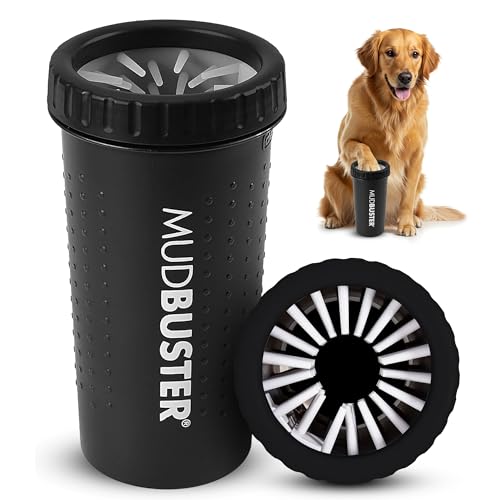
Paw size matters more than most pet parents expect. A washer that is too small can feel cramped, while one that is too large may make it harder to control the rinse and keep water contained. Look for a cylindrical cup-style washer with soft internal bristles and enough room for your dog to place a paw comfortably. If your dog has short legs or a low body, a lower-profile option may be easier to use than a tall container.
Temperament is just as important. Some dogs tolerate a quick rinse well, especially if they associate the routine with treats and a calm voice. Others may be sensitive to the feeling of bristles, the sound of water, or the motion of an automatic model. If your dog is anxious, start with a damp towel and room-temperature water before introducing a cup or automatic washer. You want the cleanup to feel predictable, not forced.
Water temperature can make a big difference in how your dog accepts the process. Room-temperature water is usually the most comfortable choice, especially for dogs that are hesitant about wet paws. Avoid using water that is too cold or too warm, and do not scrub aggressively. A gentle rinse is enough to loosen surface debris without irritating the pads or toe spaces.
Manual, Automatic, or Travel-Friendly: What Each Style Does Well
Manual paw washers are usually the simplest option. They typically consist of a cylindrical container with soft internal bristles and a water reservoir, and they do not require electricity or batteries. They can be a good fit for households that want a low-maintenance tool for muddy walks. The main trade-off is that they can splash if overfilled, so it is best to use enough water to rinse the paws without creating a puddle.
Automated paw washers use rotating brushes or water jets and often include adjustable water pressure or brush speed settings. They can be helpful for high-mess households or dogs that tolerate motion and sound well. Because they require power or charging and are usually bulkier than manual models, they work best when you have a stable spot for them. If you choose an automatic model, start with the lowest setting and make sure the brushes or nozzles are easy to clean.
Collapsible or foldable paw washers are made from flexible silicone or durable TPE and are compact for travel. They can be convenient for car trips, vet visits, or weekend outings, but they usually have limited water capacity and less structural rigidity than rigid models. If your main need is travel cleanup, a foldable option may be the right fit. If you are dealing with heavy mud at home, a sturdier manual or automatic model may be more practical.
Set Up a Calm Doorway Routine
A paw washer only works well if it fits into a routine your dog can predict. After a walk, have a consistent spot near the door where you can inspect the paws, rinse or wipe them, and dry them between the toes. Keeping a microfiber towel at the door is helpful even if you also use a paw-washer cup, because wet paws should be dried thoroughly. A quick routine is easier to maintain than a long, complicated cleanup.
Make the process short and low-pressure. Use the same cue, the same spot, and the same calm tone each time. For anxious dogs, it can help to do the cleanup in a quiet area rather than right in the middle of the entryway. If your dog associates the routine with treats, a gentle touch, and no rushing, they are more likely to tolerate it. If they become stressed, pause and try again later with a simpler method.
Seasonal changes can affect how often you need to clean paws. In winter, salt and de-icing residue may require more frequent rinsing. In spring and summer, pollen, mud, and yard debris may be the main concern. Adjust the routine as needed, but keep the same basic structure so your dog knows what to expect. A clean washer is also part of the routine; dirty bristles or trapped debris can make the next rinse less effective and may leave an unpleasant smell.
When a Paw Washer Is Not Enough
A paw washer is a hygiene tool, not a medical solution. It can help remove surface dirt and reduce tracking, but it should not be used to treat red, swollen, smelly, bleeding, or repeatedly chewed paws. If your dog is licking or chewing paws after cleanup, or if you notice changes in gait, paw shape, or skin around the pads, it is time to contact a veterinarian. Paw washers can complement veterinary care, but they do not replace it.
After cleaning, take a moment to inspect the pads and toe spaces. Look for embedded debris, cracks, redness, or moisture that is not drying well. If the washer does not give you a clear advantage over a towel and wipes, it is perfectly reasonable to use the simpler method. The best tool is the one that keeps your dog comfortable, keeps your home cleaner, and gives you a better view of what is going on with their paws.
Remember that natural and simple care works best when it is consistent and gentle. A calm doorway routine, clean equipment, and a quick check-in after walks can help prevent small issues from becoming bigger problems. If your dog’s paws seem uncomfortable, irritated, or painful, trust those signs and seek veterinary guidance rather than relying on cleanup alone.
Frequently Asked Questions
Do dog paw washers actually work?
They can be effective for loosening mud, grit, salt residue, and yard debris from paws before it spreads through the house. They are not a treatment for itchy skin, allergies, or paw wounds, so they work best as a cleanup tool rather than a medical solution.
Should I use a paw washer or wipes?
If your dog is bringing in packed mud after rainy walks, trail runs, or winter sidewalks, a paw-washer cup may be more helpful. For light pollen, dust, or car-seat cleanup, unscented dog grooming wipes and a microfiber towel are often enough.
What water temperature should I use?
Room-temperature water is usually the best choice. It is gentler on paws and can improve tolerance, especially for dogs that are hesitant about wet paws or new routines.
Are automatic paw washers worth it?
They can be worth it if you have a high-mess routine, a stable place to keep the device, and a dog that tolerates motion and sound. If your dog is anxious or you only need occasional cleanup, a manual model or simple wipes may be easier and more practical.
How often should I clean my dog’s paws?
Clean paws after walks when they are muddy, dusty, or exposed to de-icing products. In winter, more frequent rinsing may be needed. If paws are red, swollen, smelly, bleeding, or repeatedly chewed, contact a veterinarian instead of relying on cleanup alone.
Can a paw washer replace a vet visit?
No. A paw washer can help with surface dirt and tracking, but it does not treat skin irritation, infection, injury, or pain. If your dog is licking, limping, chewing paws raw, or showing other signs of discomfort, a veterinary exam is the right next step.
The right dog paw washer is the one that fits your dog’s paws, your home routine, and the type of mess you are dealing with. Start with the mess, choose a simple and cleanable option, and keep the routine calm and consistent. If you want a clear next step, try one walk with a room-temperature rinse and a quick paw check, then adjust from there based on what works best for your dog and your home.


