

How To Choose The Right Dog Training Treat
As a holistic veterinarian who spends a significant amount of time advising pet parents on behavioral health, I often see how anxiety in dogs can stem from confusion during training. The bridge between a confused pup and a confident companion is built on clear communication, and nothing disrupts that communication faster than fumbling for a reward. Choosing the right training pouch isn't just about convenience; it's about maintaining the precise timing required for positive reinforcement, which is the cornerstone of effective, bond-strengthening training. A well-designed pouch ensures that your dog receives their reward within the critical window of association, turning every training session into a positive, low-stress experience.
Quick Answer
To choose the right dog training treat pouch, prioritize speed and accessibility above all else. Look for designs featuring magnetic clasps, drawstrings, or open-top stiffened rims that allow for one-handed operation in under a second. Avoid complex zippers or Velcro, which can be slow and create startling noises. Additionally, ensure the pouch is made from washable, waterproof materials to maintain hygiene when handling high-value treats like cheese or liver.
Table of Contents
Our Top Picks
Affiliate disclosure: if you buy through these links, we may earn a commission at no extra cost to you.


The Science of Timing in Positive Reinforcement
Positive reinforcement is not just a training buzzword; it is a science-based method that strengthens the bond between owner and dog. According to the American Kennel Club (AKC), this approach is highly effective for obedience training and behavioral conditioning. However, the efficacy of this method hinges entirely on timing. The ASPCA emphasizes that precise timing is crucial for dogs to make the correct association between an action and a reward. If a dog sits, but you take three seconds to locate a treat from a deep pocket, the dog may associate the reward with looking at your pocket rather than sitting.
When we talk about "mood" and "wellness" in pets, we are often discussing their emotional state. A dog that is confused about what is expected of them can become frustrated or anxious. By using a tool that allows for instantaneous reward delivery, you keep the training session fluid and positive. This reduces cognitive load for the dog, allowing them to focus on the task at hand rather than the mechanics of the reward system. In my practice, I often see a marked decrease in "begging" or "nudging" behaviors when owners switch to pouches that eliminate the delay in reward delivery.
Accessibility: Why Speed Matters
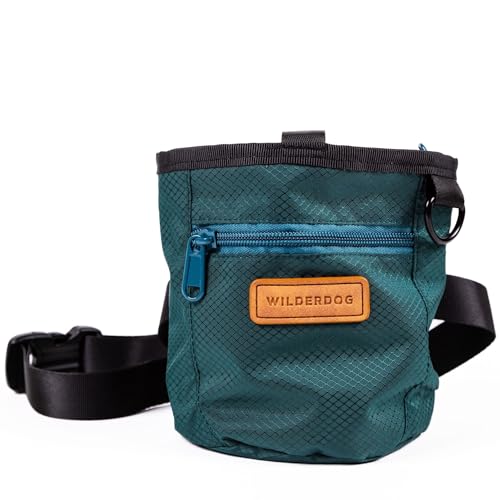
The design of the pouch closure is the single most important factor in its effectiveness. Magnetic clasps, drawstrings, and open-top designs with stiffened rims are highly recommended for quick access. These features allow you to open the pouch with one hand while keeping the other hand free for leash handling or clicker operation. Complex zippers or Velcro closures should generally be avoided. Zippers can be slow to operate, and the sound of Velcro tearing apart can startle noise-sensitive dogs, potentially breaking their focus or triggering anxiety in reactive pets.
Hands-free convenience is essential. In real-life scenarios, such as a morning walk in the park or a training session in a busy living room, you need to maintain control of the leash while simultaneously rewarding good behavior. A professional training pouch is designed to offer speed, accessibility, durability, and versatility for these serious training scenarios. Avoid keeping treats in your pockets or using flimsy plastic bags; fumbling with zippers or digging into deep pockets costs valuable seconds needed for precise timing. A dedicated pouch keeps your hands clean and your rewards ready.
Hygiene and Material Considerations
As a veterinarian, I am particularly mindful of the hygiene aspects of pet care. High-value treats like liver, cheese, or soft training bites can be messy. If your pouch is not lined with waterproof material or silicone, these treats can leak, creating a breeding ground for bacteria and unpleasant odors. Over time, this can make the pouch difficult to clean and potentially unappealing for your dog to sniff, which might reduce their motivation.
Look for pouches made from machine-washable fabrics or those with removable, washable liners. This is especially important if you are using homemade treats or fresh food rewards, which are common in holistic pet nutrition plans. A waterproof lining ensures that even if a treat breaks apart inside the pouch, the exterior remains clean, and the interior can be easily sanitized. This attention to detail supports overall pet wellness by ensuring that the tools you use are as clean as the food you feed.
Capacity and Comfort for Long Sessions
Training sessions should be engaging but not exhausting. A good training pouch should hold at least one to two cups of treats to sustain a full session without needing constant refills. This capacity allows you to maintain a consistent pace, which is vital for keeping a dog’s attention. However, capacity should not come at the expense of comfort. The pouch should sit comfortably against your body without bouncing or chafing, allowing you to focus on your dog’s body language rather than adjusting your gear.
Consider the weight distribution of the pouch. A well-designed pouch will sit securely on your hip or waist, distributing the weight of the treats evenly. This is particularly important for senior pet owners or those with physical limitations, as it reduces strain on the back and shoulders. When you are comfortable, your dog is more likely to be calm and focused, creating a positive feedback loop for the training process.
Special Considerations for Reactive or Senior Dogs
For reactive dogs or those with special needs, the choice of training pouch can have additional implications. Reactive dogs may be sensitive to sudden movements or noises. A pouch with a loud zipper or a stiff Velcro flap might inadvertently trigger a reaction. In these cases, a soft drawstring or a magnetic closure with a soft fabric cover is ideal. It allows for quiet, smooth access to rewards without adding sensory overload.
Similarly, for senior dogs or those with cognitive decline, consistency and ease of use are paramount. A pouch that is easy to open and close helps maintain the routine that these dogs rely on. If you are working on mobility issues or gentle obedience with an older dog, a pouch that allows for quick, gentle rewards can help reinforce positive behaviors without causing physical strain. Remember, natural solutions and tools should complement veterinary care, especially when managing age-related conditions. A well-chosen pouch supports this holistic approach by facilitating clear, gentle communication.
Frequently Asked Questions
Can I use a regular fanny pack for training?
While possible, regular fanny packs are often not ideal. They may have multiple compartments that slow down access, and the zippers can be noisy. A dedicated training pouch is designed for one-handed, rapid access, which is crucial for effective timing.
How do I clean a training pouch?
Check the manufacturer’s instructions, but most high-quality pouches are machine washable. If it has a silicone or waterproof liner, you can often rinse it out with water. Always ensure the pouch is completely dry before adding treats to prevent mold or bacteria growth.
What if my dog is sensitive to the sound of the pouch?
If your dog is noise-sensitive, avoid pouches with zippers or Velcro. Opt for a soft drawstring pouch or one with a magnetic closure covered by fabric. You can also practice desensitization by making the pouch noise in a low-stress environment before starting training.
How many treats should I carry in the pouch?
It’s best to carry enough for a full session, typically 1-2 cups, but not so much that the pouch becomes heavy and uncomfortable. You can always refill between sessions. Using smaller, high-value treats can also help you carry less while maintaining motivation.
Is a training pouch necessary for basic obedience?
While not strictly necessary, a pouch significantly improves the efficiency and effectiveness of training by ensuring precise timing. It also keeps your hands free and clean, making the training experience more enjoyable for both you and your dog.
Choosing the right dog training treat pouch is a small decision that can have a profound impact on your training success and your bond with your dog. By prioritizing speed, accessibility, and hygiene, you create an environment where positive reinforcement can thrive. Remember, this tool is a complement to your veterinary care and holistic wellness approach, helping to reduce anxiety and build confidence. Take the time to find a pouch that feels right for you and your dog, and you’ll find that training becomes not just a chore, but a joyful connection.


