

How To Choose The Right Dog Training Treat Pouches 2026
Training is one of the most profound ways we build trust and communication with our canine companions, yet it can quickly become a logistical challenge when you are constantly digging into pockets or bending down to retrieve treats from a bag. As a holistic veterinarian, I often see that the barrier to consistent training isn't a lack of knowledge about behavior, but rather the friction of accessing rewards during those critical moments of learning. A well-chosen treat pouch is not just an accessory; it is a tool that supports positive reinforcement by keeping your hands free and your treats secure, allowing you to focus entirely on your dog’s body language and behavioral cues.
Quick Answer
The right treat pouch for your training needs is one that features a secure, leak-proof lid (like a magnetic clasp or zipper) to prevent messy accidents, utilizes breathable mesh material to keep treats fresh and crunchy, and offers an adjustable waist belt that sits comfortably under your dominant arm without restricting your movement. Prioritize ergonomics and hygiene over aesthetics, ensuring the pouch allows for quick access while keeping high-value rewards safe from moisture and dirt.
Table of Contents
Our Top Picks
Affiliate disclosure: if you buy through these links, we may earn a commission at no extra cost to you.
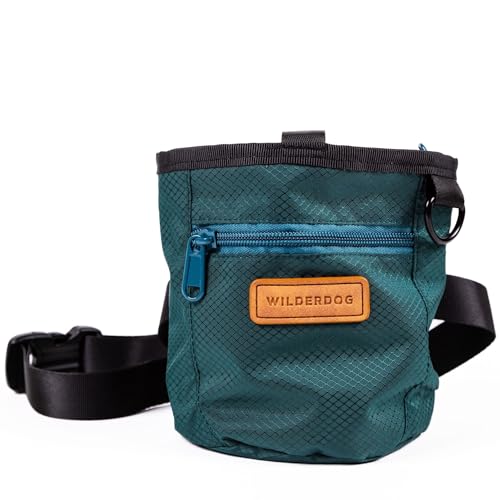


Why Treat Accessibility Matters for Learning
In the world of animal behavior, timing is everything. When you are teaching a new command or working on impulse control, the "mark" (the moment you signal to your dog that they did something right) must be followed immediately by the reward. If you are fumbling with a plastic bag or digging through a deep pocket, that crucial window of opportunity closes. This delay can confuse your dog, slowing down the learning process and potentially leading to frustration for both of you.
A dedicated treat pouch solves this problem by keeping your high-value rewards—whether they are soft liver bites for puppies or dried salmon strips for senior dogs—right at your fingertips. This accessibility allows for what we call "high-rate reinforcement," where you can deliver multiple small rewards in quick succession. This is particularly useful during the early stages of learning a new skill, such as recall or loose-leash walking, where consistency and speed are key to building a strong neural pathway in your dog's brain.
Material Matters: Breathability vs. Durability
Not all fabrics are created equal when it comes to holding food. The most critical feature of a training pouch is the material used for the main compartment. Mesh is generally the superior choice over solid fabric or plastic-lined interiors. Why? Because mesh allows air to circulate, which helps maintain the crunchiness of hard treats and prevents soft treats from becoming soggy due to condensation or moisture buildup.
In humid climates or during summer months, this breathability is essential for food safety. Moisture trapped in a non-breathable pouch can lead to mold growth or bacterial proliferation, which is a significant health risk if your dog consumes contaminated treats. Mesh also allows you to visually inspect the contents without opening the pouch, helping you quickly identify if any treats have crumbled into dust that could irritate your dog's digestive system.
Closure Systems: Keeping Treats Fresh and Secure
The mechanism used to close your pouch is just as important as the material. You want a closure that is secure enough to prevent treats from falling out when you bend over or reach for something, but easy enough to open with one hand while holding a leash in the other. Magnetic closures have become very popular in recent years because they offer a satisfying "snap" sound that can even be used as a secondary marker signal, though they must be strong enough to withstand the weight of a full pouch.
Zippers are another reliable option, particularly those with waterproof or water-resistant coatings. However, be cautious of zippers that snag on fabric loops, as this can be frustrating during active training sessions. Some pouches also feature a secondary "treat pocket" with a smaller opening for your highest-value rewards, allowing you to keep bulkier treats in the main compartment and only access the special items when needed.
Ergonomics and Fit for Long Training Sessions
Training sessions can last anywhere from ten minutes to an hour, and carrying a pouch full of treats adds weight. The best pouches are designed with ergonomics in mind, distributing that weight evenly across your waist rather than pulling down on one hip. Look for adjustable waist belts that allow you to customize the fit. The pouch should sit comfortably under your dominant arm or at your side, depending on what feels most natural for your movement style.
If you have a larger build or wear thicker clothing during winter training, ensure the belt has enough adjustability to accommodate your layers without slipping. Conversely, if you are petite, a pouch that is too large may swing around excessively, distracting both you and your dog. The goal is to have the pouch feel like an extension of your body, not an accessory you are constantly aware of.
Hygiene and Maintenance Considerations
Finally, consider how easy the pouch is to clean. Training involves lots of crumbs, saliva, and potentially messy treats like peanut butter or soft chews. A pouch that can be easily removed from the belt and machine-washed or hand-washed is a significant advantage. Mesh materials are generally easier to clean than complex fabric weaves, as they do not trap grease and odors as easily.
Regular cleaning prevents the buildup of bacteria and keeps the pouch smelling neutral, which is important because dogs have a highly sensitive sense of smell. If your pouch smells strongly of old treats or mildew, it may distract your dog or even trigger food aggression in some cases. Choose a pouch with minimal seams and no hard-to-reach corners where crumbs can get stuck.
Frequently Asked Questions
Can I use a treat pouch for cat training?
Yes, many dog training pouches work well for cats, especially if you are using clicker training or teaching recall. However, ensure the treats you use are small enough for feline consumption and that the pouch is secure enough to prevent curious cats from pawing it open.
How do I keep soft treats from sticking to the mesh?
To prevent sticking, you can line the inside of a mesh pouch with a thin, washable fabric liner, or simply use harder, drier treats in mesh pouches. Alternatively, choose a pouch with a smooth, non-stick interior lining if you primarily use soft rewards.
Is it safe to put my treat pouch in the washing machine?
Most fabric and mesh pouches are machine washable, but always check the manufacturer's label first. Remove any metal clasps or magnets if possible, and use a gentle cycle with cold water to preserve the elasticity of the waist belt.
What is the best type of treat for training pouches?
The best treats are small (pea-sized), soft, and highly aromatic. They should be easy to break into smaller pieces if needed. Avoid hard biscuits that can crack your teeth or large jerky strips that are difficult to dispense quickly.
Can I use a treat pouch for reactive dog training?
Absolutely. A secure, accessible pouch is crucial for reactive dog work where you need to deliver high-value rewards quickly to change your dog's emotional response. Ensure the closure is very secure to prevent accidental drops during high-stress moments.
How often should I replace my treat pouch?
You should replace it when the mesh tears, the waist belt loses elasticity, or the closure mechanism fails. Regularly inspect for signs of wear and tear to ensure hygiene and functionality are maintained.
Choosing the right treat pouch is a small investment that yields significant returns in your training journey. By prioritizing accessibility, material breathability, secure closures, and ergonomic fit, you create a seamless experience that supports positive reinforcement and strengthens your bond with your dog. Remember, while tools like pouches are helpful, the foundation of any successful training program remains consistent, patient, and science-based guidance tailored to your pet's individual needs.


