

How To Choose The Right Pet Nail Grinders 2026
By Dr. Renee Parker, DVM
Overgrown nails are one of the most common yet preventable causes of joint pain and posture issues in our canine and feline companions. As a holistic veterinarian, I often see senior dogs struggling to find traction on hardwood floors or anxious cats developing ingrown claws because their owners were afraid of the "snap" sound of traditional clippers. Choosing the right nail grinder is less about buying the most expensive gadget and more about finding a tool that respects your pet’s sensory experience while keeping them safe. The goal is to move away from fear-based grooming sessions and toward a calm, routine part of their wellness care.
Our Top Picks
Affiliate disclosure: if you buy through these links, we may earn a commission at no extra cost to you.

Table of Contents

Quick Answer
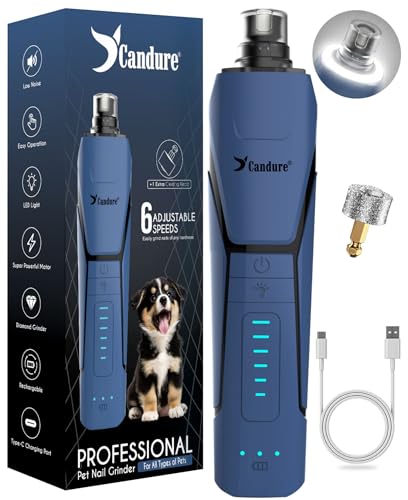
To choose the right pet nail grinder, prioritize low-vibration motors and variable speed settings to prevent startling your animal. Look for models with a protective safety guard (or "cage") that prevents accidental skin contact, and ensure the device is quiet enough to maintain a relaxed environment. For anxious pets or thick-coated breeds, a cordless design with strong torque is essential for mobility and consistent grinding without the frustration of tangled cords.
Understanding Grinding vs. Clipping
Many pet parents ask me if grinders are necessary when clippers work fine. While both tools have their place, grinding offers a distinct advantage for pets with sensitive paws or those prone to the "quick" (the blood vessel inside the nail). Clippers can sometimes crush the nail shaft if they aren't perfectly sharp, causing pain. A grinder, however, files the nail down gradually, allowing you to stop millimeters away from the quick. This is particularly beneficial for senior dogs with brittle nails or cats who are naturally more sensitive to pressure on their paw pads.
Furthermore, grinding creates a smoother edge, which prevents those annoying clicking sounds on your floors and stops nails from snagging on carpets or blankets. For active dogs, a smooth nail is safer during play, reducing the risk of tearing the nail bed if it catches on something. It transforms nail care from a quick, potentially traumatic event into a gentle, controlled process.
Key Features for Pet Comfort
When evaluating grinders, the motor's vibration level is the most critical factor. Pets have highly sensitive hearing and tactile senses; a tool that vibrates intensely through their paw can cause immediate resistance or fear. Look for "anti-vibration" technology or brushless motors, which tend to run smoother and quieter than standard brushed motors. The noise level should be under 50 decibels—roughly the volume of a normal conversation—to keep your pet from associating grooming time with loud machinery.
Variable speed settings are another non-negotiable feature for holistic care. You want to start at the lowest setting to acclimate your pet to the sensation, then gradually increase the speed only if necessary. High-torque motors are also important; a weak motor that bogs down under pressure can heat up the nail, causing discomfort or even burning the nail bed. Consistent power ensures a smooth file rather than a jerky grind.
Corded vs. Cordless: Which Fits Your Home?
The choice between corded and cordless often comes down to your home environment and your pet’s temperament. Cordless grinders offer superior freedom of movement, which is vital for anxious pets who might try to hide or move away from a dragging wire. They are also easier to use in tight spaces, such as under a car seat during travel days or in small bathroom grooming stations. However, ensure the battery life is sufficient for your pet’s full set of nails; nothing frustrates a pet (and an owner) more than a dying battery mid-session.
Corded grinders, on the other hand, provide unlimited runtime and often have slightly more power since they aren't limited by battery capacity. They are a great budget-friendly option for multi-pet households where you groom animals daily. However, the cord can become a distraction or a tripping hazard. If you choose corded, look for models with a swivel cord that rotates 360 degrees to prevent tangling around your wrist while you work.
Safety Mechanisms and Dust Management
Safety is paramount when dealing with rotating abrasive bands. The best grinders come with a protective guard or "cage" that surrounds the grinding stone, allowing the nail to enter but preventing your skin from touching the belt. This is especially important for cats, whose nails are small and curved, making it easy to accidentally nick the toe bean. Some advanced models also feature a "reverse function," which allows you to back out the nail if you feel it getting stuck, preventing heat buildup.
Nail dust can be irritating to both pets and humans, potentially causing respiratory sensitivity or eye irritation. Look for grinders that come with a built-in vacuum attachment port or a dedicated dust collector bag. This keeps your grooming area clean and ensures that the fine silica dust from the nails doesn't float into your pet’s breathing zone. If your grinder doesn’t have this feature, consider using a small handheld vacuum nearby during the process.
Introducing the Grinder to Your Pet
No matter how good the tool is, success depends on how you introduce it. Never force a grinder onto an unprepared pet. Start by letting your dog or cat sniff the turned-off device. Then, turn it on at the lowest speed and hold it near their paw without touching, rewarding them with high-value treats. Gradually progress to touching the side of the nail for a second, then gradually increasing the duration over several days.
For anxious pets, consider using calming aids such as pheromone sprays or calming supplements formulated for situational anxiety. Create a positive association by pairing the grinder with their favorite meal or playtime. Remember, patience is key; if your pet becomes stressed, stop immediately and try again later. The goal is to build trust, not just to get the nails done.
Frequently Asked Questions
Can I use a human nail drill on my pet?
No, human nail drills are designed for keratin that is much thicker and more durable than pet nails. They often run too hot and fast, which can easily burn or damage your pet’s sensitive nail bed.
How often should I grind my pet's nails?
For most dogs and cats, checking nails every 2-3 weeks is ideal. If you hear clicking on the floor, it’s time for a trim. Regular, frequent grinding keeps the quick receded, making future sessions easier.
What if I accidentally hit the quick?
If you nick the quick, stay calm to avoid frightening your pet. Apply styptic powder or cornstarch to stop the bleeding. Offer plenty of comfort and treats. Over time, the quick will recede with regular grinding.
Are grinders safe for cats?
Yes, many cat owners find grinders safer than clippers because there is no risk of crushing the nail. However, cats are often more sensitive to vibration, so start with the lowest speed and a very short session.
Do I need a specific grit for the grinding band?
Most pet grinders come with a standard abrasive band suitable for most nail types. For extremely thick or tough nails, look for coarser bands, but always start gentle to avoid heat buildup.
Can I grind my pet's nails while they are sleeping?
It is generally not recommended. The vibration and noise can startle them, leading to a defensive reaction that could cause injury. It is better to groom them when they are calm but awake.
Choosing the right nail grinder is an investment in your pet’s long-term mobility and comfort. By prioritizing low vibration, safety features, and a gradual introduction process, you can turn a dreaded chore into a bonding moment. Remember, natural grooming tools complement veterinary care by preventing physical issues before they start. If you are unsure about your pet’s nail health or encounter bleeding that won’t stop, always consult your veterinarian for guidance.


