How To Soothe Your Dog S Dry Itchy Summer Skin Wit
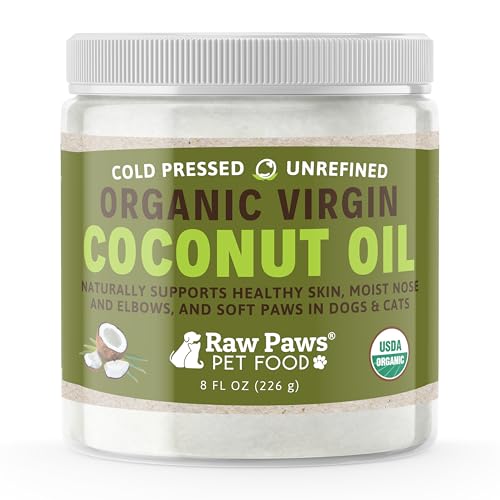
Summer brings plenty of outdoor adventures for our dogs, but all that extra time in the sun, tall grasses, and dry air can quickly take a toll on their skin. If you have noticed your furry best friend scratching more than usual, sporting a dull coat, or dealing with flaky "dandruff" on their bedding, you are certainly not alone. Finding a safe, natural way to bring them relief is a top priority for pet parents, and organic coconut oil might just be the gentle, multi-purpose solution you have been looking for.
Quick Answer
Yes, organic coconut oil is a safe, natural, and effective way to soothe your dog's dry, itchy summer skin. You can apply a thin layer of cold-pressed virgin coconut oil directly to localized hot spots or dry patches, and you can also add a small, measured amount to their daily meals to support skin hydration from the inside out. Just remember that while coconut oil is excellent for minor seasonal dryness, it works best as a complementary approach alongside your dog's regular veterinary care.
Table of Contents
Why Summer Can Be Tough on Your Dog's Skin
As a holistic veterinarian, I often see a spike in skin complaints during the warmest months. Summer presents a unique set of environmental challenges for our dogs. The hot sun naturally pulls moisture from their skin, much like it dries out the earth in your garden. Combined with the drying effects of constant air conditioning indoors, your dog's natural skin barrier can easily become compromised.
Beyond the weather, environmental allergens like grass pollens and dust are at their peak. When your dog romps through a meadow or rolls in the yard, these microscopic irritants cling to their coat. This often leads to that classic, frantic full-body rolling or persistent paw-licking you see right after a long morning walk. This cycle of exposure and scratching damages the skin's lipid barrier, creating micro-abrasions that invite further irritation.
The Science Behind Coconut Oil for Canine Skin
Organic, cold-pressed virgin coconut oil is rich in lauric acid, a specific type of medium-chain triglyceride (MCT) known for its supportive properties. In the realm of pet wellness, lauric acid is highly regarded because the body processes it efficiently, whether applied to the skin or digested. When massaged into the skin, these beneficial fatty acids help replenish the natural lipid barrier that holds moisture in, effectively smoothing out rough, flaky areas.
Furthermore, coconut oil contains natural compounds that help maintain the balance of a healthy skin biome. When dogs scratch, they create tiny, invisible tears in their skin. Applying coconut oil forms a soothing, physical layer over these micro-abrasions, providing immediate, cooling relief and keeping external irritants at bay while the skin naturally repairs itself.
Applying Coconut Oil Topically for Immediate Relief
When your dog is actively chewing at their paws or bothering a specific dry patch, topical application is your best immediate course of action. To start, take a small, pea-sized amount of solid coconut oil and rub it between your palms until it warms into a liquid oil. Gently massage this directly into the red, itchy spots—often found on the belly, underarms, or the tops of the paws.
One important reality of topical coconut oil is that it will leave your dog's fur looking a bit greasy until it fully absorbs. To prevent your dog from immediately licking it off—which not only removes the oil but can cause them to ingest too much fat and get an upset stomach—try applying it right before a leashed walk or a play session. This serves as a healthy distraction, giving the oil time to penetrate the skin barrier rather than ending up in their digestive tract.
Adding Coconut Oil to Your Dog's Diet for Long-Term Support
Skin health is truly an inside-out job. Incorporating a small amount of coconut oil into your dog's daily nutrition provides a systemic boost of essential fatty acids. This daily routine helps maintain the natural oil production in their hair follicles, leading to a visibly shinier coat and more resilient skin over time. It is a wonderful addition to a holistic pet care regimen, especially as the seasons change and their bodies require extra nutritional support.
Because coconut oil is purely fat, portion control is critical to prevent weight gain and digestive upset. Start with a very tiny amount—about a quarter teaspoon for small dogs and half a teaspoon for larger breeds—mixed thoroughly into their regular evening meal. Monitor their stool over the next few days; if everything remains firm and healthy, you can confidently continue this daily routine throughout the dry summer months.
When to Skip the Coconut Oil and Call Your Vet
While natural solutions like coconut oil are fantastic for mild, seasonal dryness, it is incredibly important to recognize when an issue requires professional veterinary intervention. Coconut oil is not a cure for systemic infections, severe allergies, or parasite infestations. If your dog's itchiness is accompanied by raised, weeping bumps, a distinct foul odor, or patches of complete hair loss, you are likely looking at a complex issue like a bacterial or yeast infection that needs targeted, clinical treatment.
Natural wellness beautifully complements traditional veterinary medicine, but it should never replace it when your pet is in distress. If you apply coconut oil for a few days and see absolutely no improvement, or if your dog seems restless, lethargic, or in visible discomfort, schedule an appointment with your trusted vet. As holistic practitioners, our ultimate goal is always to alleviate suffering safely and transparently.
Frequently Asked Questions
Can I leave coconut oil on my dog's coat overnight?
While a thick layer of coconut oil can make for a deeply moisturizing treatment, leaving it on overnight usually results in a greasy mess all over your furniture and bedding. For the best results, apply a thin layer to the skin, let it absorb for a few hours, and then gently wipe away any excess with a warm, damp cloth.
Will eating coconut oil give my dog diarrhea?
Introducing any new fat too quickly into a dog's diet can definitely cause loose stools or diarrhea. This is exactly why we start with a very small, controlled amount—a quarter teaspoon for small dogs—and slowly monitor their gastrointestinal tolerance over a week before making it a daily habit.
Can I use coconut oil to soothe my dog's sunburn?
Yes, coconut oil can be very soothing for mild, surface-level sunburns, particularly on the nose or ear tips of short-haired breeds. However, never apply oil to severe, blistering burns, as it can trap heat and worsen the injury. In those cases, seek immediate veterinary care.
Is coconut oil safe for my cat if they lick it off the dog?
A small amount of ingested coconut oil will not harm your cat, and in fact, small doses are occasionally used to help cats pass hairballs. However, cats have much more sensitive digestive systems, so repeated ingestion of the dog's topical treatments could lead to feline stomach upset.
How often should I apply coconut oil to my dog's dry skin?
For localized summer dryness, applying coconut oil topically once or twice a day is generally sufficient. Once the skin appears less red and flaky, you can easily taper it down to a few times a week for general maintenance.
Helping your dog find relief from dry, itchy summer skin does not have to involve a complicated routine or harsh chemical products. By utilizing organic, cold-pressed coconut oil—both topically for immediate physical comfort and as a dietary supplement for long-term nutritional support—you can safely restore their skin barrier. Keep a close eye on their behavioral cues, stick to quality ingredients, and always work collaboratively with your family veterinarian. For your next step, try offering your dog a small, measured portion of coconut oil with their dinner tonight, and watch their comfort and coat health improve all season long.