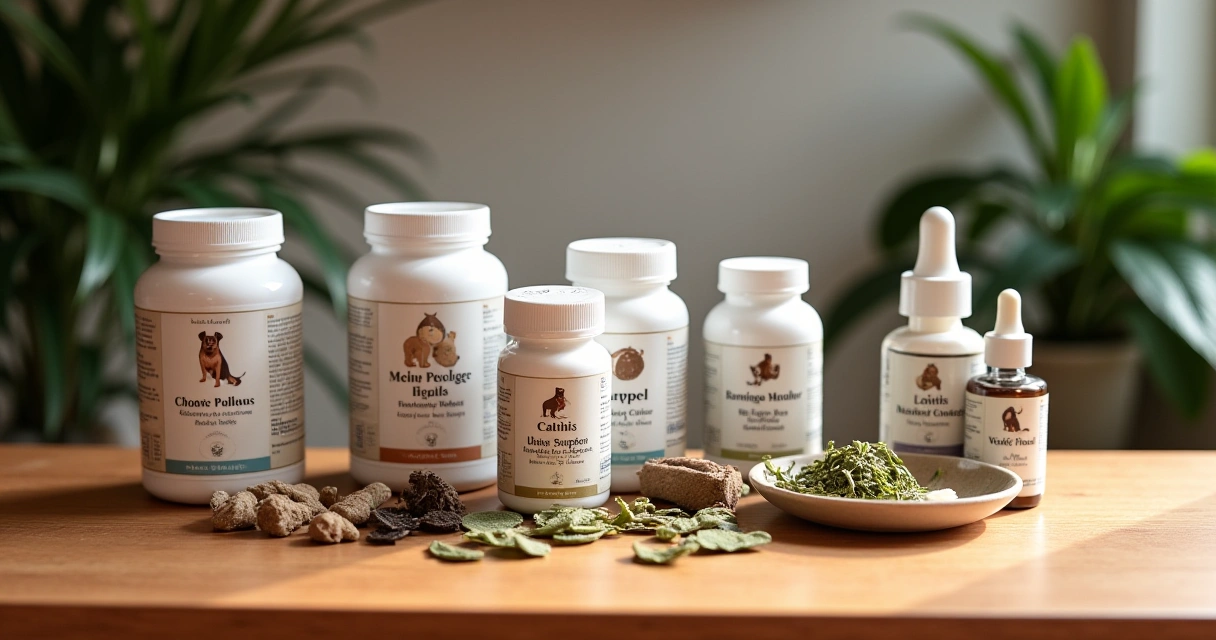
Natural Wound Care Summer Adventure Injuries
Table of Contents
Summer adventures bring inevitable cuts, scrapes, and burns that require immediate natural intervention. Yarrow effectively controls bleeding through hemostatic properties, while plantain draws out infection and promotes healing with allantoin compounds. Calendula regenerates damaged skin tissue with antimicrobial protection, and honey creates protective barriers against infection while supporting clotting. Direct pressure using clean cloths or plantain leaves stops bleeding, and stream-cooled stones reduce swelling. Proper wilderness preparation transforms outdoor mishaps into manageable healing opportunities.
Common Types of Summer Adventure Wounds and Their Risks
Summer adventures bring countless opportunities for scrapes, cuts, and other wounds that can quickly dampen outdoor fun.
Slip injuries dominate emergency room visits, especially around pools and water parks where wet surfaces create treacherous conditions. Children and older adults face heightened risks due to balance challenges and slower reflexes.
Sharp camping gear, fishing equipment, and improper footwear frequently cause lacerations and puncture wounds. Barefoot beach walks? Recipe for stepping on broken shells or glass.
Bike crashes deliver their signature knee and elbow abrasions. Distracted drivers and poorly lit roadways significantly increase collision risks for cyclists during evening rides.
Burns from campfires, grills, and scorching playground equipment affect hands and forearms most. Don’t forget sunburn – those blisters become infection magnets. Having natural first aid supplies readily available can make all the difference in treating these thermal injuries effectively.
Insect bites and stings plague outdoor enthusiasts, ranging from mosquito welts to serious bee sting reactions. Pet owners should be especially vigilant since animals often investigate unknown insects and may suffer minor cuts from encounters with aggressive wildlife.
Ticks and spiders add puncture wounds with potential disease transmission risks. Playground falls account for 80% of playground injuries, making proper wound care essential after tumbles from swings and climbing structures. Swimming activities consistently cause the highest injury rates among summer recreational pursuits, more than doubling the next most dangerous category.
Essential Natural Botanicals for Wilderness Wound Treatment
Several powerful plants grow wild in most wilderness areas, offering natural wound care when modern medical supplies run short.
Yarrow benefits include hemostatic properties that control bleeding and antiseptic action preventing infection—earning its nickname “soldier’s woundwort.”
Plantain applications focus on drawing out infection from wounds while promoting healing through allantoin content. Fresh leaves work perfectly when chewed and applied directly. The seeds contain mucilage properties that act as a bulk laxative and soothe irritated membranes.
Calendula uses center on regenerating damaged skin tissue and providing antimicrobial protection, making it ideal for oil infusions.
Comfrey properties include rapid tissue repair for bruises and sprains, though external use only due to toxicity concerns. The root requires boiling preparation with 100 grams in half a liter of water for topical treatment.
Prickly Pear advantages involve creating moist wound environments through mucilage, particularly valuable in arid settings where these cacti naturally thrive. Knowledge of these local plants can enhance wilderness survival skills when facing unexpected injuries.
Field-Ready First Aid Techniques Using Natural Remedies
When wilderness adventures take an unexpected turn, knowing how to transform readily available natural materials into effective first aid solutions can mean the difference between a minor setback and a serious medical emergency.
Direct pressure remains the gold standard for bleeding control—clean cloths, plantain leaves, or soft moss serve as reliable field dressings when commercial options aren’t available. Yarrow leaves, chewed and applied directly, traditionally help constrict blood vessels and stop bleeding. Honey creates an excellent barrier against infection while supporting natural clotting processes.
These herbal remedies work best when wounds are first cleaned with potable water. Sanitary pads make surprisingly effective absorbent dressings, while improvised cold packs from stream-cooled stones reduce swelling and pain in sprains. Natural healing salves can be particularly effective for treating puncture wounds from insect stings or spider bites commonly encountered during outdoor activities. For bee stings specifically, removing the stinger quickly and applying cold therapy can provide immediate relief and reduce swelling. Emotional stress from traumatic injuries can significantly impair the body’s natural healing processes, making calm assessment and reassurance crucial components of wilderness first aid. Always include extra prescription medications when heading out on extended wilderness trips to ensure chronic conditions remain properly managed. Be especially cautious of contaminated water sources, as drinking untreated water can lead to gastroenteritis and complicate recovery from other injuries.
Frequently Asked Questions
How Long Can Natural Wound Remedies Be Stored in Outdoor Conditions?
Natural remedies require careful consideration of storage conditions to maintain effectiveness. Turmeric paste degrades within days, aloe vera spoils quickly, while coconut oil lasts weeks. Proper shelf life depends on temperature, light exposure, and container quality.
What Are the Signs That a Wound Needs Professional Medical Attention?
Signs requiring professional care include persistent bleeding, wound infection indicators like redness and pus, absent healing signs after weeks, severe pain, numbness, deep exposure of tissues, or wounds affecting face, hands, joints, or critical areas.
Can Natural Botanicals Cause Allergic Reactions or Skin Sensitivities?
Natural botanicals can trigger explosive allergic reactions in sensitive individuals. Botanical allergies from plants like calendula affect those with daisy family sensitivities, while skin sensitivity increases with concentrated formulations, requiring careful patch testing before application.
How Do You Safely Identify Medicinal Plants in the Wilderness?
When identifying plants in wilderness settings, one should prioritize wilderness safety by using reputable field guides, cross-referencing multiple sources, and consulting experienced botanists before harvesting, ensuring accurate identification protects both the collector and those they serve.
What Should You Do if Natural Remedies Aren’t Improving Wound Healing?
Better safe than sorry—when alternative treatments fail to improve wound care, one should immediately seek professional medical attention, as persistent symptoms like infection, worsening pain, or poor healing require proper clinical intervention.
References
- https://journals.sagepub.com/doi/full/10.1016/j.wem.2014.04.005
- https://www.cdc.gov/nchs/data/nhsr/nhsr099.pdf
- https://www.kuhl.com/borninthemountains/common-outdoor-injuries-and-how-to-treat-them
- https://pmc.ncbi.nlm.nih.gov/articles/PMC9960863/
- https://pmc.ncbi.nlm.nih.gov/articles/PMC4121107/
- https://www.penneylawyers.com/serious-injuries/what-are-10-common-accidents-in-the-summer/
- https://www.forthepeople.com/blog/10-most-common-summer-personal-injuries/
- https://www.valuepenguin.com/summer-injuries-study
- https://www.safehome.org/data/summer-home-safety-report/
- https://www.enjuris.com/blog/resources/common-summer-injuries/
See Also
Frequently Asked Questions
How do I choose the best natural botanical for stopping bleeding on a dog's summer wound?
Select Yarrow (Achillea millefolium) as the primary choice because its hemostatic properties effectively control bleeding in field conditions. Crush fresh leaves or use a standardized extract to apply directly to the injury site before bandaging.
What is the best natural remedy for drawing out infection from a cat's scrape?
Plantain (Plantago major) is considered the best option due to its allantoin compound, which promotes cell regeneration and draws out impurities. Apply a poultice made from crushed fresh plantain leaves or a high-quality topical ointment containing this specific botanical.
Is it worth using natural first aid kits instead of synthetic products for outdoor adventures?
Yes, it is worth investing in natural kits because they offer gentle, non-toxic healing agents that are safe if ingested accidentally by pets. These kits often include pre-mixed Yarrow and Plantain preparations specifically designed for wilderness environments.
How do I choose a pet wound supplement that supports rapid healing without synthetic additives?
Look for supplements that list specific botanical extracts like allantoin and hemostatic herbs as primary ingredients rather than vague 'herbal blends'. Ensure the product is formulated specifically for canine or feline physiology to avoid adverse reactions.
How do I treat a sunburn on my pet's paw using natural field remedies?
Apply aloe vera gel or calendula-infused oil directly to the burned area to soothe inflammation and protect against further UV damage. Follow up with a cooling compress made from chamomile tea to reduce heat and pain.
What is the best way to prevent infection in a deep scratch while camping?
Clean the wound immediately with saline or cooled boiled water, then apply a natural antimicrobial salve containing echinacea or goldenseal. Keep the area covered with a breathable gauze pad until the skin barrier begins to close.
How do I know if a natural wound care product is effective for my pet?
Monitor the injury for reduced swelling, cessation of bleeding within minutes, and the formation of new tissue over the next 24 hours. If these signs are not present after two days of consistent natural treatment, consult a veterinarian immediately.