Senior Pet Heat Protection Natural Cooling Temperature Sensitive Dogs
Table of Contents
Senior dogs over 12 face triple the heat risk of younger pups due to compromised cooling systems and reduced mobility. Smart pet parents rely on pressure-activated cooling mats, frozen gel packs tucked in bed covers, and strategic positioning on tile floors away from sunlight. Fresh water stations with ice cubes keep hydration levels steady. Watch for heavy panting, bright red gums, and excessive drooling—telltale signs that immediate cooling action becomes necessary for your aging companion’s safety.
Understanding Heat Vulnerability in Aging Dogs
While younger dogs bounce back from heat exposure like furry rubber balls, senior dogs face a perfect storm of age-related changes that make them sitting ducks for heat-related illness.
Their heat sensitivity skyrockets after age 12, with risk tripling compared to puppies under two.
The physiological changes? Brutal. Aging compromises their internal cooling system—reduced skin blood flow, decreased sweating capacity, and sluggish temperature responses.
Think of it like an old air conditioner that just can’t keep up anymore.
Senior dogs also carry baggage. Heart conditions, breathing problems, arthritis limiting their escape routes to cooler spots.
Their bodies simply can’t dump heat efficiently. What’s moderate warmth for a spry two-year-old becomes dangerous territory for a gray-muzzled veteran. Research shows that extreme heat days above 32°C significantly elevate mortality risk in dogs.
The situation has become increasingly urgent as veterinary reports show that heatstroke cases have doubled in recent years. Heat-related illness carries a 23% fatality rate among affected dogs, making prevention absolutely critical.
When overheating does occur, cooling mats provide immediate temperature relief by drawing heat away from your pet’s body through conductive cooling technology.
Fortunately, specialized cooling gear designed specifically for elderly pets can provide targeted relief where their natural cooling mechanisms fall short. Cooling vests offer a practical solution by maintaining a comfortable body temperature through evaporative cooling technology.
Understanding this vulnerability is step one in protecting our aging companions.
Natural Cooling Methods and Environmental Management
Since senior dogs can’t exactly install their own air conditioning units, pet parents need to become masters of environmental engineering.
Think strategic placement and smart surfaces. Your aging pup deserves better than suffering through summer heat waves.
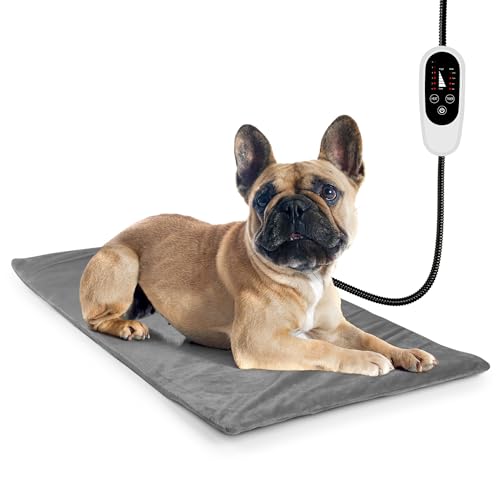
Cooling mats offer the perfect starting point—they stay cooler than room temperature without any fuss. No refrigeration needed. Just pure comfort for creaky joints. Pressure-activated gel mats respond to your dog’s body weight to deliver immediate cooling relief without any setup required. Commercial pressure-activated mats deliver instant cooling without requiring electricity or refrigeration. You can also create your own DIY cooling mat using simple supplies like cooling gel and fabric for a budget-friendly alternative.
- Position beds in the coolest areas of your home, away from direct sunlight and heat sources
- Create cross-ventilation by opening windows strategically for natural airflow throughout the day
- Use hard floors like tile or wood instead of carpet—they’re natural heat sinks
- Master hydration techniques with fresh water stations, ice cubes, and frozen treats placed strategically
For ultimate cooling comfort, place frozen gel packs inside the cover of their bed to create a naturally refrigerated sleeping surface.
Smart environmental management beats expensive gadgets every time. Dogs are more prone to heat stress than humans due to their limited ability to regulate body temperature effectively.
During hot weather, carry water bottles for your senior dog during any outdoor activities to ensure proper hydration and prevent overheating.
Emergency Recognition and Immediate Response Protocols
Environmental management works beautifully for prevention, but pet parents need to recognize when their senior dog has crossed the line from uncomfortable to dangerous.
Heatstroke symptoms escalate quickly—heavy panting, bright red gums, excessive drooling, and agitation signal trouble brewing. When body temperature hits 105°F? That’s emergency territory.
Immediate actions matter more than anything. Stop all activity immediately. Move the dog to shade and apply cool water to paws, belly, and underarms.
Never ice water—that’s too shocking. Offer small sips of cool water, but don’t force it. Natural electrolyte solutions can help restore essential minerals lost through excessive panting and drooling. Natural electrolyte supplements provide essential minerals without harsh chemicals that could further stress your senior dog’s system. Veterinarian-approved solutions ensure safe and effective rehydration when your senior dog needs it most.
Here’s the reality: heatstroke kills in under an hour without intervention. Senior dogs face higher complication risks. Dogs with previous heatstroke episodes are especially vulnerable to repeat incidents.
Call the veterinary clinic while cooling, describe symptoms clearly, and get there fast. Time isn’t your friend here. Most dogs that survive the first 24 hours with proper treatment can recover fully.
Keep the pet calm and minimize movement until professional help arrives, as stress can worsen their condition.
Frequently Asked Questions
Can Certain Medications Increase My Senior Dog’s Heat Sensitivity?
Certain medications can increase heat sensitivity factors in senior dogs through various medication side effects. Diuretics cause dehydration, while anticholinergic agents impair sweating mechanisms. Pet owners should monitor their dogs closely during warm weather.
Are There Specific Breeds That Become Seniors Earlier Than Others?
Size matters when discussing senior breeds and early aging. Larger dogs like Great Danes become seniors around 6-9 years, while smaller breeds reach senior status later at 9-13 years, creating different caregiving timelines.
How Do I Know if My Indoor Temperature Is Safe Enough?
Pet owners should install reliable indoor thermometer options to monitor temperatures between 69-78°F and maintain ideal humidity levels below 60%. Regular monitoring helps guarantee their dogs’ safety and comfort year-round.
What’s the Difference Between Heat Exhaustion and Heatstroke in Dogs?
Heat exhaustion symptoms include persistent panting, lethargy, and dark pink gums, while heatstroke involves seizures, collapse, and organ failure. Understanding these differences enables caregivers to provide timely intervention and implement effective heatstroke prevention strategies.
Should I Shave My Senior Dog’s Coat During Summer Months?
Don’t throw the baby out with the bathwater—shaving senior dogs removes natural insulation. Instead, focus on proper coat maintenance through regular brushing and professional summer grooming consultations to keep temperature-sensitive older pets comfortable and protected.
References
- https://www.dogdecoder.com/how-to-keep-your-senior-dog-cool-in-the-summer-heat/
- https://pmc.ncbi.nlm.nih.gov/articles/PMC9144152/
- https://leapyears.com/news/hot-weather-hazards-panting-and-aging-related-heat-exposure/
- https://www.petmd.com/dog/general-health/how-hot-is-too-hot-for-dogs
- https://onlinelibrary.wiley.com/doi/10.1111/avj.13296
- https://www.ndtv.com/science/extreme-heat-could-kill-your-dog-death-risk-rises-by-10-study-warns-pet-owners-8844332
- https://pmc.ncbi.nlm.nih.gov/articles/PMC7459873/
- https://www.nawt.org.uk/news/hot-cars-kill-new-data-shows-rising-cases-of-heatstroke-in-dogs/
- https://topdoghealth.com/how-to-keep-your-senior-dog-cool/
- https://www.animalosteopathycollege.com/blog/cooling-dog-myths
See Also
Frequently Asked Questions
How do I choose the right cooling mat for a senior dog with mobility issues?
Select a pressure-activated gel mat that fits your dog's size and provides even surface cooling without requiring them to stand still. Ensure the mat is lightweight enough for them to step onto easily, as reduced mobility makes heavy equipment difficult to manage.
What is the best way to use frozen gel packs with bed covers for temperature-sensitive pets?
Tuck pre-chilled gel packs securely inside breathable bed covers or cooling vests before placing your senior pet on a cool surface like tile. This method creates an immediate cold zone that helps lower body temperature without causing shock from direct ice contact.
Is it worth investing in natural cooling methods for dogs over 12 years old?
Yes, senior dogs face triple the heat risk of younger pups due to compromised cooling systems, making proactive measures essential. Investing in strategic positioning on tile floors and using pressure-activated mats can prevent dangerous overheating when air conditioning is unavailable.
How do I recognize emergency signs of heatstroke in an aging dog during hot weather?
Look for excessive panting, drooling, lethargy, or stumbling, which are critical indicators that your senior pet's reduced mobility is hindering their ability to regulate temperature. If you notice these symptoms, immediately move them to a cool area and apply cold compresses while contacting a veterinarian.
How can I manage my cat's heat vulnerability if they are also over 12 years old?
Although the article focuses on dogs, cats of similar age also suffer from reduced mobility and compromised cooling systems. Place their bed on a cool tile floor or use frozen gel packs in their bedding to help them stay comfortable without forcing movement.
What is the best environmental management strategy for keeping senior pets cool at home?
Strategically position your pet's resting area on tile floors or other cool surfaces that naturally draw heat away from their bodies. Combine this with frozen gel packs tucked into bedding to maintain a consistent low temperature throughout the day.