Sustainable Pet Treat Storage Tips For Winter
Table of Contents
- Main Points
- Eco-Friendly Storage Solutions for Cold Weather
- Winter-Proof Containers and Materials
- Temperature Management During Freezing Months
- Moisture Control in Winter Storage
- Sustainable Organization Methods
- Natural Preservation Techniques
- Cold Weather Storage Locations
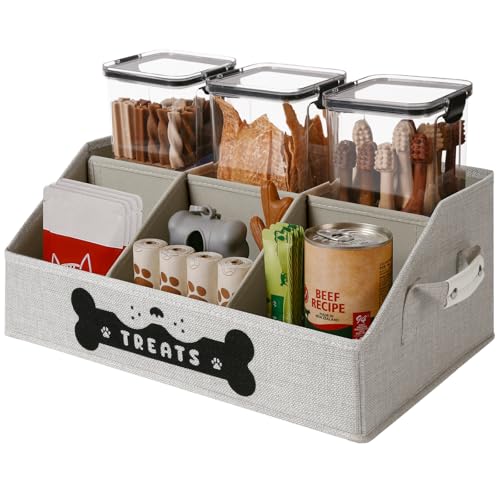
- Pet-Safe Container Options
- Seasonal Storage Rotation Strategies
- References
Store your pet’s winter treats in eco-friendly airtight containers made from glass, ceramic, or stainless steel to maintain freshness and prevent moisture damage. You’ll want to keep temperatures between 35-45°F in a dedicated storage space away from garages or outdoor areas. Use silica gel packets to control humidity and consider adding natural preservatives like vitamin E or rosemary extract. Smart storage choices protect both your pet’s treats and the environment, with plenty of sustainable options to explore.
Main Points
- Use airtight containers made from eco-friendly materials like glass, ceramic, or stainless steel to protect treats from winter moisture.
- Store treats in temperature-controlled spaces between 35-45°F, using digital thermometers to monitor conditions.
- Include silica gel packets in storage containers to regulate moisture and prevent microbial growth during humid winter months.
- Implement a rotation system with clear labels on sustainable containers to prevent waste and maintain freshness.
- Choose double-walled stainless steel or borosilicate glass containers for superior insulation during cold weather.
Eco-Friendly Storage Solutions for Cold Weather
When winter temperatures drop, proper storage becomes essential for maintaining the quality of your pet’s treats. You’ll find that airtight containers made from eco-friendly materials offer excellent protection against moisture while preserving freshness throughout the cold season. Consider storing an emergency supply kit with treats and food for at least five days in case of winter storms. Store all items in a dry, safe place to prevent any potential contamination or spoilage during winter months.
Natural Farm treats provide shelf stable options that last up to two years when stored correctly. These sustainable solutions come in various sizes to accommodate different storage needs. Regular inspections for signs of spoilage are crucial when storing treats during humid winter months. Using glass, ceramic, or stainless steel containers provides a countertop-friendly solution that maintains freshness while complementing your home decor. The newest bamboo lid designs feature silicone seals for superior moisture protection. BPA-free plastics offer a lightweight alternative for sustainable storage solutions. Choosing containers with non-slip features helps prevent spills during winter feeding times.
For daily walks, reusable bags crafted from cotton or linen provide convenient, lightweight options to carry treats. When storing larger quantities, consider using vacuum-sealed packages, which can preserve treats for up to a year. Making eco-conscious choices for pet supplies helps reduce environmental impact while keeping treats fresh. Choosing sustainable materials helps minimize your pet’s carbon pawprint while maintaining treat quality.
You can also extend treat life by freezing them, which has the added benefit of increasing chew time. For shorter-term storage, repurposed glass jars create an airtight seal that keeps treats fresh and protected from winter humidity.
Winter-Proof Containers and Materials
To protect your pet treats through harsh winter conditions, selecting the right storage container materials and design features makes all the difference. Winter proof materials like double-walled stainless steel and borosilicate glass provide excellent container insulation against freezing temperatures. You’ll want to look for features like silicone gaskets and snap-lock latches that maintain airtight seals even when temperatures fluctuate. Many pet owners choose food-grade silicone containers for their durability and safe material composition, similar to what’s used in premium treat molds. Implementing a treat rotation system ensures older treats are used before newer ones and maintains optimal freshness throughout the season. Popular containers like the Vittles Vault offer stackable solutions to maximize storage space. Storing containers in a cool, dry pantry away from direct sunlight helps prevent temperature fluctuations that can affect treat quality. High-quality ceramic options provide elegant storage while keeping treats fresh with their rubber gasket lids. Similar to eco-friendly pet fountains, choosing BPA-free materials helps minimize environmental impact while ensuring pet safety.
| Material | Cold Protection | Sustainability |
|---|---|---|
| Stainless Steel | High insulation | Fully recyclable |
| Borosilicate Glass | Temperature resistant | Indefinitely reusable |
| Bamboo Composite | Natural insulation | Biodegradable |
| Food-grade Silicone | Stays flexible | Long-lasting |
| Ceramic | Thick wall protection | Zero plastic waste |
Consider containers with moisture-resistant designs like raised platforms and ventilated features to prevent condensation from affecting your treats. These thoughtful design elements guarantee your pet’s snacks stay fresh throughout winter.
Temperature Management During Freezing Months
Maintaining precise temperature control during freezing months presents unique challenges for pet treat storage.
You’ll need to implement temperature monitoring systems and energy efficiency measures to protect your pet’s treats. Install digital thermometers in your storage areas and keep them between 35-45°F for ideal preservation. During extreme cold, ensure your storage area is properly insulated to prevent dangerous hypothermia risks. Even breeds that typically handle cold well need winter protection, so proper storage conditions are essential. Place treats in an elevated container with draft-free shelter to maintain optimal storage conditions. Use a dedicated container away from garage areas to prevent pets from accessing any toxic antifreeze that might leak. Regular wiping of storage containers with a warm cloth helps prevent ice buildup on surfaces.
Consider using thermal curtains and weather stripping to prevent cold drafts from affecting your storage space.
- Your furry friend deserves fresh, safe treats all winter long
- Don’t let your pet’s favorite rewards become victims of freezing temperatures
- Protect those special training treats that bring joy to your companion
- Keep your pet’s health and happiness a top priority with proper storage
For maximum efficiency, utilize LED lighting and smart thermostats to maintain consistent temperatures while minimizing energy usage.
Rotate treats regularly and check expiration dates frequently during winter months to guarantee quality.
Moisture Control in Winter Storage
Because winter weather can cause significant moisture fluctuations, proper humidity control remains essential for preserving your pet’s treats.
You’ll want to implement effective moisture monitoring strategies using hygrometers to maintain ideal relative humidity levels between 30-50%.
Transfer your treats to airtight containers or resealable Mylar bags, keeping the original packaging inside for added protection.
Don’t forget to include silica gel packets, which act as moisture-regulating buffers and prevent microbial growth.
For ideal humidity management, store containers in a cool, dry area away from temperature fluctuations and humidity sources.
Using iron-based oxygen absorbers alongside silica gel packets provides comprehensive protection against both moisture and oxidation damage.
If you’re dealing with particularly damp conditions, consider using a dehumidifier in your storage space.
Label your containers clearly to track expiration dates and maintain freshness throughout the winter months.
Consider using containers with wheeled bases for easy relocation to areas with better climate conditions when needed.
Sustainable Organization Methods
While creating an eco-friendly storage system for pet treats might seem challenging, several sustainable options can help you minimize waste and maximize organization.
Transform your space using sustainable materials like repurposed glass jars, vintage canisters, and wooden crates to create an efficient system that enhances your organizational aesthetics. You’ll find that mason jars with airtight lids not only look charming but also keep treats fresh longer. These sustainable containers help prevent bacterial growth and maintain treat quality. Some containers feature 20-micron thickness materials for enhanced durability and protection against moisture. Storing treats in a cool, dry place helps extend their shelf life significantly. Regular cleaning of containers helps ensure proper sanitation of your storage solutions.
- Feel good about reducing plastic waste by switching to glass containers
- Experience the joy of creating personalized storage solutions from upcycled items
- Enjoy the satisfaction of a beautifully organized pet treat station
- Take pride in teaching your children about sustainability through example
Implement a clear labeling system and rotate treats regularly to prevent waste.
Consider using wall-mounted containers or door-hanging organizers to maximize vertical space while maintaining easy access.
Natural Preservation Techniques
To keep your pet treats fresh without artificial preservatives, natural preservation methods offer effective and health-conscious solutions. Start by incorporating natural antioxidants like vitamin E and C, which prevent spoilage and extend shelf life. Making nutritious dog snacks at home ensures your pets get wholesome ingredients they’ll love.
You’ll find herbal preservatives like rosemary extract, cinnamon, and sage particularly effective at maintaining freshness while adding beneficial properties to your treats. The shift toward homemade dog treats has empowered pet owners to have complete control over preservation methods. Supporting your pet’s digestive enzymes helps maintain optimal gut health during winter months. Adding beneficial probiotics can enhance your pet’s immune system and digestive health. These treats must be completely cooled before storage to prevent moisture buildup and mold growth. Store treats in airtight containers to protect them from excess moisture and maintain optimal freshness.
Following a natural diet plan helps ensure your pet gets balanced nutrition throughout the seasons. Choosing organic ingredients provides superior nutritional value while avoiding harmful pesticides and chemicals. For longer-term storage, try dehydrating your treats using an oven or food dehydrator. This removes moisture that bacteria need to grow, while preserving nutrients and flavors.
When storing treats, you can combine preservation methods by using honey as a natural sweetener and preservative, then keeping them in airtight containers in your refrigerator.
For maximum longevity, store treats in freezer bags and freeze them for up to six months.
Cold Weather Storage Locations
When winter temperatures drop, proper storage locations become essential for maintaining your pet treats’ quality and safety. Your indoor storage options should focus on temperature-controlled spaces like pantries or dedicated pet food cabinets, keeping treats between 50-70°F. Make sure to inspect treats for any signs of oxidation or rancidity that could occur with improper temperature control. Using plastic food bowls for storing treats helps prevent contamination from metal containers that can become extremely cold in winter.
For outdoor storage, consider using an insulated shed or underground cellar to protect treats from freezing temperatures while maintaining consistent conditions.
- Keep your furry friend’s treats safe and fresh in your cozy kitchen cabinet
- Create a special storage spot that shows how much you care about your pet’s well-being
- Protect your pet’s favorite rewards from winter’s harsh elements
- Transform your basement or cellar into a perfect treat preservation sanctuary
Remember to monitor temperature and humidity levels regularly, and use airtight containers in both indoor and outdoor locations to prevent moisture and pest infiltration during the cold season.
Pet-Safe Container Options
Since your pet’s health depends on properly stored treats, choosing the right storage container becomes essential for maintaining freshness and safety.
K9 Natural containers made of stainless steel are specifically designed to keep pet food fresh and safe.
Proper containers should include airtight seal verification through water submersion testing to ensure maximum protection.
Glass benefits include exceptional cleanliness due to its non-porous surface, while offering clear visibility of treat levels and preventing bacterial growth.
Like enzymatic cleaners, stainless steel excels at neutralizing strong pet odors while protecting treats from light damage.
For a more eco-conscious approach, consider BPA-free plastic containers or reusable silicone bags that align with our eco-friendly packaging standards.
The Fresh-tite seal system in budget-friendly containers maintains freshness despite lacking complete airtightness.
These lightweight options provide airtight seals and convenient portability.
Using natural cleaning solutions helps maintain container hygiene while protecting the environment.
Many containers feature plant-based ingredients that are safe if your pet accidentally licks the storage surface.
Plastic containers often come with built-in scoops, making treat dispensing easier, while silicone bags flex to fit in tight spaces.
Whether you choose glass, stainless steel, plastic, or silicone, guarantee your container features a secure seal to maintain treat freshness throughout the winter months.
Seasonal Storage Rotation Strategies
As winter approaches, implementing a strategic seasonal rotation system keeps your pet treats fresh and properly organized.
Start with thorough treat categorization, moving summer-themed items to the back while positioning winter-appropriate treats up front. You’ll want to focus on expiration management by following a strict FIFO system – clearly labeling dates and using color-coding to track different expiration ranges. This approach supports premium quality control and aligns with growing consumer preferences for natural, high-end treats. Regular quality checks help maintain product standards and build customer trust. Store treats in airtight containers to prevent moisture and pests from compromising quality. Using a clean, soap-washed container will ensure proper hygiene for your pet’s treats.
- Imagine your pet’s delight finding fresh, seasonal treats all winter long
- Feel confident knowing you’re preventing waste through smart rotation
- Experience peace of mind with organized, easily accessible storage
- Take pride in supporting local shelters by donating near-expiry treats
Remember to adjust your storage layout for winter-specific items and maintain proper temperature control between 50-70°F.
Consider stocking up on long-lasting chews, perfect for those extended indoor play sessions during cold weather.
References
- https://www.americanostrichfarms.com/blogs/news/the-ultimate-guide-to-storing-and-organizing-pet-treats
- https://www.postconsumerbrands.com/news/how-to-store-pet-food/
- https://huggingface.co/datasets/Recag/Rp_CommonC_92/viewer/default/train
- https://www.fda.gov/animal-veterinary/animal-health-literacy/proper-storage-pet-food-treats
- https://www.wiggleworthy.com/store-homemade-dog-treats.html
- https://planetarydesign.com/product/airscape-pet-food-storage-container/
- https://www.dogkindtraining.com/blog/winter-treat-delivery
- https://www.naturalfarmpet.com/blogs/all/best-methods-for-storing-dog-treats
- https://www.bhg.com/decorating/storage/projects/smart-storage-solutions-for-pet-supplies/
- https://wildlovetails.com/pet-food-treat-storage/
- https://packfreshusa.com/how-to-store-freeze-dried-dog-treats/
- https://www.caspca.org/winter-pet-safety-tips-keeping-pets-warm-and-protected
- https://npicpet.com/blogs/news/winter-weather-safety-tips-for-your-pets-keeping-them-safe-and-warm
- https://www.americanhumane.org/public-education/cold-weather-pet-tips/
- https://saketos.co.uk/our-blog/storing-treats-for-pet-personalised-accessories-and-pouches/
- https://harrybarker.com/products/airtight-eco-friendly-plastic-food-storage
- https://www.178wing.ang.af.mil/Portals/69/documents/afh33-337.pdf?ver=2016-12-15-101008-313
- https://mywoof.com/products/treat-tray
- https://www.petsmart.com/dog/bowls-and-feeders/storage-and-scoops
- https://furrmeals.com/blogs/blogs/10-pet-food-storage-tips
See Also
Frequently Asked Questions
How do I choose the best container material for storing pet treats during freezing temperatures?
Select eco-friendly airtight containers made from glass, ceramic, or stainless steel to maintain freshness and prevent moisture damage. These materials are durable enough to withstand cold weather without compromising the integrity of your dog's supplements.
What is the ideal temperature range for storing winter pet treats in a dedicated storage space?
You should keep the storage area between 35-45°F to ensure optimal preservation of nutrition and flavor. Maintaining this specific range prevents moisture buildup that can occur when freezing temperatures fluctuate.
Is it worth investing in stainless steel containers for long-term pet treat storage?
Yes, stainless steel is a highly durable option that resists cracking in the cold and does not leach chemicals into your cat's food. While the initial cost may be higher than plastic, its longevity and ability to keep treats fresh make it a valuable investment.
How do I prevent moisture damage to my pet's nutrition products during winter months?
Use airtight glass or ceramic containers that seal tightly to block humidity from entering the storage unit. Additionally, ensure your dedicated storage space is well-ventilated and strictly maintained within the 35-45°F temperature range.
What are some eco-friendly storage solutions for cold weather pet care?
Opt for reusable glass jars or stainless steel tins instead of single-use plastic bags to reduce waste and protect your pet's health. These sustainable options also provide superior airtight seals that keep supplements fresh longer than standard packaging.
How do I manage temperature fluctuations when storing treats near a window or door?
Avoid placing containers in drafty areas where cold air can directly impact the storage temperature. Instead, locate your eco-friendly storage unit in an interior room where you can consistently maintain the recommended 35-45°F range.