

How To Choose The Right Cat Grooming Brushes 2026
By Dr. Renee Parker, DVM
As a holistic veterinarian, I often see cats come into my clinic not because of a sudden illness, but because their coat health has silently deteriorated over months of neglect. Grooming is far more than just keeping your feline friend looking presentable; it is a critical component of their physical comfort and emotional bonding with you. Choosing the right tools can prevent painful matting, reduce anxiety during hairball season, and give you a weekly opportunity to check for lumps, bumps, or skin irritations that might otherwise go unnoticed.
Our Top Picks
Affiliate disclosure: if you buy through these links, we may earn a commission at no extra cost to you.

Table of Contents

Quick Answer
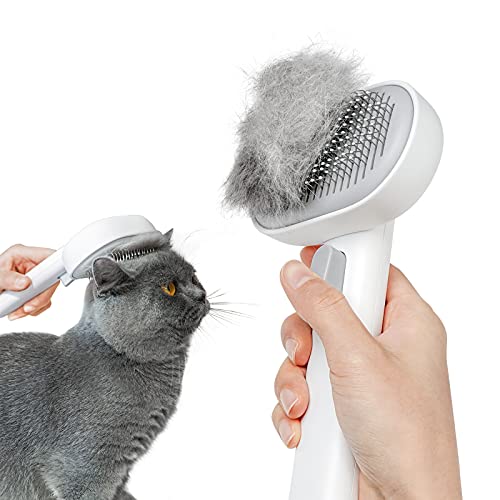
To choose the right grooming brush, first identify your cat’s coat length and texture: long-haired breeds need wide-toothed metal combs to prevent matting near the skin, while short-haired cats thrive with soft rubber curry brushes or fine-toothed stainless steel slickers. Always prioritize tools with ergonomic handles to protect your wrist during longer sessions and bristles that are gentle enough to stimulate circulation without breaking the hair shaft or irritating sensitive skin.
Understanding Your Cat’s Coat Type
The most common mistake pet parents make is buying a brush based on aesthetics rather than function. Just as human hair varies from fine and straight to coarse and curly, feline coats range from the silky fur of a Siamese to the dense, woolly undercoat of a Maine Coon. The structure of your cat’s hair follicles determines how easily tangles form and which tool will glide through the fur without pulling.
Before you purchase any grooming equipment, take a moment to examine your cat’s coat while they are relaxed. Run your fingers through their fur near the armpits and behind the ears—these are high-friction areas where mats start. If you feel tight clumps close to the skin, you will need a tool designed for deep detangling rather than surface-level fluffing.
Essential Tools for Long-Haired Cats
For breeds like Persians, Ragdolls, and Himalayans, or even domestic long-haired mixes, daily grooming is non-negotiable. The primary tool here must be a stainless steel comb with both wide and narrow teeth. The wide teeth are used to work through large tangles from the tips of the hair inward, while the narrow teeth check for remaining snags close to the skin.
Avoid plastic combs or wire pins that can snap easily, as broken pieces pose a choking hazard if ingested during grooming. High-quality metal combs are durable and easy to sanitize between uses. When using these tools, hold the fur at the base of the tangle to prevent pulling on the skin, which can cause your cat to associate grooming with pain.
Gentle Options for Short-Haired Breeds
Short-haired cats, such as American Shorthairs or Bengals, have less undercoat and shed less densely than their long-haired counterparts. For these felines, a rubber curry brush or a silicone grooming mitt is often the ideal choice. These tools mimic the sensation of a mother cat’s tongue, providing a gentle massage that stimulates blood flow to the skin and brings natural oils to the surface of the coat.
The beauty of rubber and silicone tools is their flexibility; they conform to the contours of your cat’s body, making them perfect for sensitive areas like the belly and legs. As you roll or rub the tool over the fur, loose hairs ball up and can be easily peeled off, keeping your brush clean and your cat comfortable throughout the session.
Undercoat Rakes and Deshedding Tools
Seasonal changes often trigger heavy shedding, particularly in spring and fall. During these times, cats with a dense undercoat may benefit from an undercoat rake or a specialized deshedding tool. These tools feature rounded teeth designed to reach through the topcoat to grab and remove loose dead hair from the underlayer without cutting the live guard hairs.
While effective, these tools require a lighter touch. Using too much pressure can irritate the skin or cause "brush burn," leading to inflammation. Limit deshedding sessions to 10-15 minutes and watch your cat’s body language closely. If their ears flatten or their tail begins to twitch aggressively, stop immediately and switch to a gentler tool.
Sensory-Friendly Grooming for Anxious Cats
For cats with anxiety or sensory processing sensitivities, the sound and feel of traditional brushes can be overwhelming. Static electricity from plastic brushes or the clicking sound of metal combs can trigger fear responses. In these cases, opt for quiet, static-free materials like silicone or soft rubber.
Introduce grooming gradually. Allow your cat to sniff the tool before you make contact. Pair the grooming session with high-value treats or a favorite interactive toy to create positive associations. Remember, the goal is wellness and bonding, not perfection; even five minutes of gentle brushing is better than a stressful 30-minute ordeal.
Frequently Asked Questions
How often should I brush my cat?
Long-haired cats generally need daily brushing to prevent mats, while short-haired cats benefit from 1-2 times per week. Increase frequency during seasonal shedding periods.
Can I use a dog brush on my cat?
It is generally not recommended. Dog brushes are often designed for thicker skin and coarser fur, which can be too harsh for a cat’s sensitive skin. Always choose tools specifically labeled for feline use.
Why does my cat hate being brushed?
Cats may dislike grooming if it causes pain from tangles, if the tool is too harsh, or if they are overstimulated. Start with very short sessions and use positive reinforcement to build tolerance.
What is the best brush for reducing hairballs?
A deshedding tool or a rubber curry brush is most effective. By removing loose hair before it is ingested during self-grooming, you significantly reduce the amount of fur that accumulates in the stomach.
How do I clean grooming brushes?
Remove all hair after each use. Wash rubber and silicone tools with warm soapy water monthly. Metal combs can be wiped down with a disinfectant wipe or washed similarly, ensuring they are completely dry to prevent rust.
Conclusion
Selecting the right grooming brush is an investment in your cat’s long-term health and your relationship with them. By matching the tool to your cat’s specific coat type and temperament, you transform a chore into a bonding ritual that promotes circulation, skin health, and emotional security. Start with a gentle introduction today, observe how your cat responds, and adjust your technique as needed. If you notice persistent matting, skin redness, or excessive shedding despite regular grooming, consult your veterinarian to rule out underlying nutritional or medical issues.


