

How To Choose The Right Dog Grooming Clippers 2026
As a holistic veterinarian, I often see pet parents struggle with the same issue: their dog or cat’s coat becomes matted, uncomfortable, or difficult to manage between professional grooming appointments. While we always prioritize medical health, skin integrity, and stress reduction, having the right tools for at-home maintenance is essential for your pet’s overall wellness. Choosing the correct grooming clippers isn't just about aesthetics; it is about preventing painful matting, avoiding accidental nicks in sensitive skin, and keeping your furry friend calm during their grooming routine.
Table of Contents
- Our Top Picks
- Quick Answer
- 1. Power Source: Corded vs. Cordless for Stress-Free Grooming
- 2. Motor Type: Understanding Noise Levels and Vibration
- 3. Blade Materials: Ceramic vs. Steel for Skin Safety
- 4. Ergonomics and Grip: Preventing Hand Fatigue
- 5. Essential Accessories: Guide Combs and Maintenance
- Frequently Asked Questions
Our Top Picks
Affiliate disclosure: if you buy through these links, we may earn a commission at no extra cost to you.

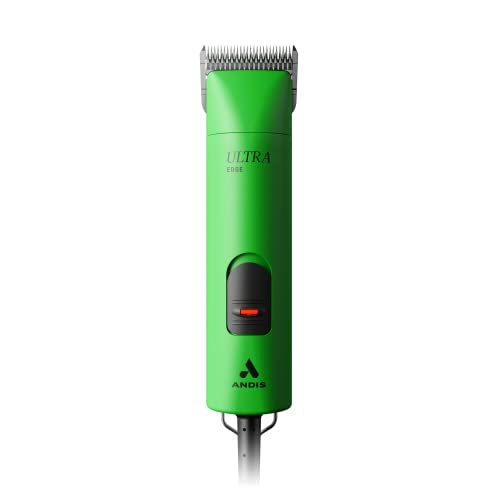

Quick Answer
To choose the right dog grooming clippers, prioritize cordless convenience with long battery life for safety and ease of use. Look for ultra-quiet motors to reduce anxiety in sensitive pets, and ensure the blades are made of ceramic or high-carbon steel that stays cool against the skin. Finally, verify that the clippers come with a comprehensive set of guide combs (guards) to allow for safe, adjustable cutting lengths without risking injury.
1. Power Source: Corded vs. Cordless for Stress-Free Grooming
In my practice, I emphasize minimizing stress as much as physical comfort. The choice between corded and cordless clippers often comes down to your specific grooming environment and your pet’s temperament. Cordless clippers have become the gold standard for most pet parents because they offer freedom of movement. You can maneuver around a wriggly senior dog or an anxious cat without worrying about tripping over a cord, which can inadvertently pull on their fur and cause distress.
However, corded clippers provide consistent power without the risk of the battery dying mid-session. This is particularly useful for large breeds with thick double coats, such as Golden Retrievers or Huskies, where the motor needs sustained high torque to cut through dense undercoats without bogging down. If you choose cordless, ensure the battery lasts at least 90 minutes on a single charge to handle full grooming sessions comfortably.
2. Motor Type: Understanding Noise Levels and Vibration
Many pets are terrified of the high-pitched whine associated with traditional rotary motors. For anxious pets, or those with sensory processing sensitivities, a loud clipper can trigger a fight-or-flight response, making grooming dangerous for both you and your animal. Modern magnetic or pivot motors are designed to be significantly quieter and produce less vibration.
When evaluating clippers, look for specifications that mention "low noise" or "quiet operation." A good rule of thumb is that if the clipper feels like it’s shaking in your hand, it will likely feel like a vibrating nightmare on your pet’s skin. Low vibration helps keep the tool stable and allows you to maintain a gentle touch, which is crucial when working near sensitive areas like the belly, groin, or face.
3. Blade Materials: Ceramic vs. Steel for Skin Safety
The blade is the most critical component for pet safety. Traditional steel blades are durable and sharp but tend to heat up quickly during use. Hot blades can burn your pet’s delicate skin, leading to immediate discomfort and potential long-term sensitivity. This is especially risky when grooming thick coats where the blade works harder to cut through hair.
Ceramic blades are an excellent alternative for pets with sensitive skin or allergies. They stay cooler than steel and do not conduct heat as readily. Additionally, ceramic blades are often quieter than steel ones because they don’t create the same metallic friction sound. However, keep in mind that ceramic is more brittle; avoid dropping them, as they can chip or break if mishandled.
4. Ergonomics and Grip: Preventing Hand Fatigue
Grooming can be physically demanding, especially for those with arthritis or limited hand strength. If you are struggling to hold the tool comfortably, your grip will tighten, causing the clippers to dig into the skin rather than glide over it. Look for clippers with a rubberized, non-slip grip and a balanced weight distribution.
A lightweight design is generally preferable for extended grooming sessions. Heavy clippers can cause hand fatigue within minutes, leading to shaky hands and increased risk of nicks. Some models offer adjustable blade widths or interchangeable heads, which can reduce the need to switch tools frequently, further enhancing comfort and efficiency during the grooming process.
5. Essential Accessories: Guide Combs and Maintenance
No clipper set is complete without a variety of guide combs (also known as guard combs). These attachments determine the length of the hair left on your pet’s body. Having a range of sizes—from 3mm for a close cut to 50mm for a longer, natural look—allows you to customize the grooming style safely. Never use clippers without a guide comb unless you are an experienced professional trimming specific areas like paw pads or sanitary regions.
Maintenance is also part of choosing the right tool. Ensure the clippers come with a small cleaning brush and a bottle of blade oil. Regular maintenance prevents hair buildup, which can dull the blades and cause them to pull rather than cut. Pulling on matted fur is painful and can lead to skin irritation or infection, undermining your holistic approach to pet wellness.
Frequently Asked Questions
Can I use dog clippers on my cat?
Generally, it is not recommended. Cat skin is much thinner and more elastic than dog skin, requiring specialized, finer-toothed blades designed specifically for felines. Using dog clippers on a cat increases the risk of severe nicks and cuts.
How often should I oil my clipper blades?
You should oil the blades every 10–15 minutes of continuous use. If you notice the blades getting warm or hearing a change in pitch, stop immediately to oil and cool them down.
What is the safest length for at-home grooming?
For most pet parents, using a guide comb that leaves at least 1/4 inch (6mm) of hair is safest. This protects the skin from direct blade contact and reduces the chance of cutting through loose skin folds.
Do I need a professional groomer if I buy clippers?
While clippers help with maintenance, they do not replace professional grooming for heavy matting, nail trimming, or sanitary cuts. If your pet’s coat is severely matted, please consult a professional to avoid painful skin removal.
Are ceramic blades worth the extra cost?
If your pet has sensitive skin, allergies, or is anxious about noise, ceramic blades are worth the investment due to their cooler operation and quieter performance.
Choosing the right grooming clippers is an investment in your pet’s comfort and your peace of mind. By prioritizing quiet motors, safe blade materials, and ergonomic design, you can create a positive grooming experience that strengthens your bond with your furry companion. Remember, natural wellness includes regular skin checks during grooming—look for lumps, redness, or parasites. If you notice any unusual skin changes, consult your veterinarian before continuing the grooming session.


