

How To Choose The Right Cat Litter Boxes 2026
We often obsess over what goes into our cats’ bowls—worrying about protein sources and moisture levels—but we frequently overlook the environment where they spend their private moments. The litter box is far more than a bathroom; it is a critical component of your cat’s daily wellness, stress management, and hygiene routine. Choosing the right setup isn't just about convenience for you as the owner; it is about respecting your cat’s natural instincts to dig, cover, and feel safe while vulnerable.
Our Top Picks
Affiliate disclosure: if you buy through these links, we may earn a commission at no extra cost to you.
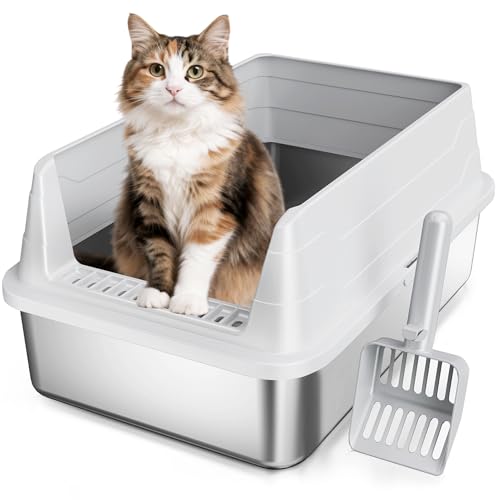
Table of Contents

Quick Answer
The best litter box for your cat is one that is large enough for them to turn around completely without touching the sides (ideally 1.5 times their body length) and matches their age and mobility needs. For most cats, a simple, large, open pan is superior to complex automated or covered models, which can trap odors and make felines feel trapped. As your cat ages, prioritize low-entry boxes to protect their joints, and always observe their behavior to ensure they are using the box comfortably.
The Golden Rule: Size Matters More Than Style
In my clinic, I see many cases of "litter box aversion" that stem simply from a lack of space. Cats are sensitive creatures who need to feel secure in their environment. When a litter box is too small, they cannot perform their natural digging and covering behaviors fully. This can lead to them stepping on the edges, getting litter stuck in their fur, or feeling cramped while eliminating.
A good rule of thumb is that the box should be at least 1.5 times the length of your cat from nose to tail base. If you have a large breed like a Maine Coon or a Ragdoll, standard "extra-large" boxes might still feel tight. Watch your cat when they are digging; if their hips are hanging off the edge or they are scratching the floor outside the box because they can't dig deep enough, it is time to upgrade.
Open vs. Covered: The Debate on Ventilation
There is a persistent myth that covered litter boxes are better because they hide the "eyesore" and contain odors. However, from a feline behavior perspective, covered boxes can be problematic. They trap ammonia fumes inside, which can irritate your cat’s sensitive respiratory system. Furthermore, many cats feel vulnerable while eliminating; a hooded box limits their view of the room, making them feel trapped by potential predators.
I generally recommend open-top boxes for the vast majority of cats. They allow for better air circulation and give your cat a clear escape route if they feel threatened. If odor is a concern for you, focus on scooping frequency and litter type rather than relying on a hood. For those who absolutely must use a covered box to manage household odors, look for models with large vents and keep the door propped open.
Mobility and Age: Adapting for Senior Cats
As our cats age, their joints may stiffen, and their vision might dim. A high-sided box that was easy for a kitten to jump into can become an obstacle course for a 15-year-old senior. Arthritis in the hips or spine can make climbing over a 6-to-8-inch wall painful, leading some seniors to avoid the box entirely and find softer spots like rugs or beds.
To support your senior cat’s comfort, look for "low-entry" litter boxes. These have one side cut down or are designed with a gentle ramp-like entry. This simple modification can be the difference between a happy, healthy senior and one suffering from stress-induced urinary issues due to avoidance. Regular veterinary check-ups should always include an assessment of their mobility in relation to their home environment.
Multi-Cat Households: Avoiding the "Bathroom Line"
In homes with multiple cats, the "one box per cat plus one" rule is a standard recommendation for a reason. It prevents resource guarding and ensures that no cat feels ambushed while using the bathroom. Cats are vulnerable when they are eliminating, and in a multi-cat home, having an escape route is vital.
Placement is just as important as quantity. Do not cluster all litter boxes in one room or corner. Spread them out across different levels of your home if possible. This prevents a dominant cat from guarding a single location and ensures that shy cats have access to a safe space. If you notice one cat consistently using a specific box while others avoid it, consider the size and type of that particular box—it might be too intimidating for the others.
Material Matters: Plastic, Metal, or Wood?
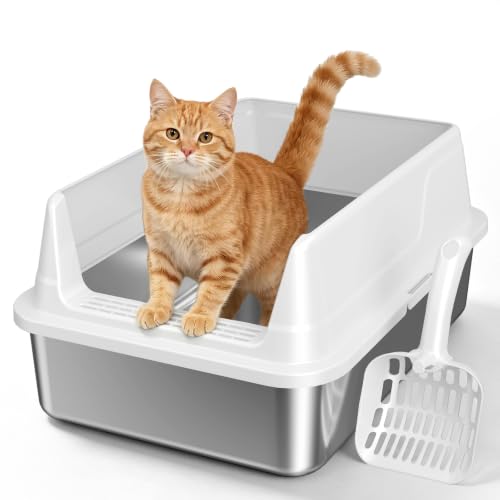
The material of the litter box can impact both hygiene and durability. Most standard plastic boxes are lightweight and affordable, but they can develop scratches over time where bacteria and odors hide. If you choose plastic, look for one with smooth, seamless interiors that are easy to sanitize.
For those concerned about chemicals or longevity, metal litter boxes (often made of galvanized steel) are an excellent alternative. They are durable, scratch-resistant, and do not retain odors like plastic can. However, they are heavier and can be noisy if the cat’s claws scrape against the metal. Some eco-conscious pet parents opt for wooden boxes with replaceable liners, but these require careful maintenance to prevent moisture damage and bacterial growth.
Frequently Asked Questions
How often should I replace my litter box?
If your plastic box becomes heavily scratched, stained, or retains odors despite washing, it is time to replace it. Scratches harbor bacteria that can be harmful to both you and your cat. Metal boxes can last a lifetime with proper care.
Do automatic litter boxes work for all cats?
No. While convenient, the loud motor and moving parts can scare sensitive or anxious cats. If your cat shows signs of hesitation or fear around an automatic box, switch to a traditional manual box immediately.
Why is my cat peeing outside the box?
This can be a medical issue (like a UTI) or a behavioral one. Rule out health problems with your vet first. If healthy, consider if the box is dirty, too small, or located in a high-traffic area that makes your cat feel unsafe.
Is it okay to use a litter mat?
Litter mats can help trap loose litter from your cat’s paws, keeping your floors cleaner. However, ensure the mat has a smooth surface or is easy to clean, as some textured mats can irritate your cat’s paw pads.
Can I use a covered box if my cat hates it?
If your cat avoids the box or stands on the edge, they likely dislike the cover. Try removing the lid to see if they start using it again. Their comfort should always take precedence over your aesthetic preferences.
Choosing the right litter box is a dynamic process that evolves with your cat’s life stages. By prioritizing size, accessibility, and your cat’s individual preferences, you create a healthier, less stressful environment for them. Start by observing their current habits and making one small adjustment at a time—whether that means upgrading to a larger pan or lowering the entry point. Your cat’s consistent use of the litter box is a key indicator of their overall well-being, so trust your instincts and keep the conversation open with your veterinary team.


