

How To Choose The Right Dog Seat Belt Tethers
As a holistic veterinarian, I often see the love pet parents have for their companions, but I also see the hidden dangers that come with that affection—especially when it comes to travel. We often focus heavily on nutrition and wellness at home, yet the car ride itself can be a significant source of physical stress and risk for our furry family members. Ensuring your dog is securely restrained isn't just about following the law; it's about protecting their delicate spine and preventing them from becoming a dangerous projectile in the event of a sudden stop. Let’s talk about how to keep them safe without sacrificing their comfort.
Quick Answer
To keep your dog safe, choose a tether specifically engineered for vehicle use that meets safety standards like DIN75410-2, rather than using a standard walking leash. Look for designs that include energy-absorbing elastic sections to mitigate the shock of sudden deceleration, and ensure the length is appropriate for your dog’s size—shorter for small breeds to protect their spine, and securely anchored to the vehicle's seatbelt buckle or a certified anchor point.
Table of Contents
- Quick Answer
- Our Top Picks
- Why Standard Leashes Are Dangerous in Cars
- Understanding Safety Standards and Engineering
- Choosing the Right Length for Your Dog’s Biomechanics
- Material Matters: Elasticity vs. Static Strength
- Proper Attachment Points and Usage
- Frequently Asked Questions
- Sources & References
Our Top Picks
Affiliate disclosure: if you buy through these links, we may earn a commission at no extra cost to you.
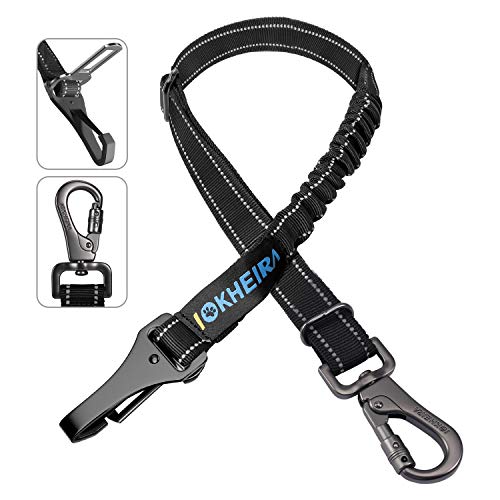


Why Standard Leashes Are Dangerous in Cars
It is a common misconception that clipping a regular nylon walking leash to a car door handle or seatbelt buckle is sufficient. In reality, standard leashes are designed for controlled walking on the ground, not for the chaotic physics of a vehicle. When a car stops suddenly, a dog’s body continues moving forward at the speed of the car. A static nylon leash acts like a rigid rod under this dynamic load, offering no give. This can cause severe injury to the neck, shoulders, or spine, similar to the effect of a serrated knife against the tissue if the force is sharp enough.
The physics are unforgiving. In a crash at just 50 km/h, a 20kg dog can generate over 400kg of force instantly due to the combination of mass and deceleration rate. This means your dog effectively becomes a heavy projectile. Without a restraint system designed to absorb and distribute this energy, the sudden jerk can cause whiplash, broken bones, or even internal trauma. As a vet, I want to emphasize that natural wellness includes preventing acute physical trauma, and using the wrong tether undermines your pet's overall health and safety.
Understanding Safety Standards and Engineering
Not all "pet seat belts" are created equal. When looking for a safe tether, you should look for references to specific safety standards. In Europe, the DIN75410-2 standard is a benchmark for pet restraint systems, ensuring they limit forward movement and absorb shock effectively. While the US does not have a single federal mandate for pet restraints, many high-quality products are designed to meet or exceed these rigorous testing protocols, or align with FMVSS 213 derivatives for child safety seats.
These standards ensure that the tether can withstand the immense forces generated during a sudden stop without snapping or causing injury. Reputable manufacturers will often provide crash-test data or load limits for their products. This transparency is crucial. It shows that the product has been engineered with real-world scenarios in mind, rather than just being a piece of nylon with a clip. Prioritizing these engineered solutions over generic rope or chain tethers significantly reduces the risk of injury during sudden deceleration events.
Choosing the Right Length for Your Dog’s Biomechanics
The length of the tether is not just about how much room your dog has to move; it is about their specific biomechanical needs. For small dogs, such as Chihuahuas or Yorkshire Terriers, a short tether is essential. These breeds have a low center of gravity and fragile bone structures. If the tether is too long, a small dog can bounce or leap forward during a stop, leading to spinal compression injuries. A shorter tether keeps them close to the seat, minimizing the distance they can travel forward.
For larger dogs, a slightly longer tether may be appropriate, but it must be carefully monitored. The goal is to allow them to sit, stand, and lie down comfortably without being able to slide into the footwell or distract the driver. However, excessive length can lead to tangling or the dog finding a way to escape if they are anxious. Always measure your dog from the harness attachment point to the ground to ensure the tether allows for a natural standing posture without excess slack that could cause tripping or twisting.
Material Matters: Elasticity vs. Static Strength
The material of the tether plays a critical role in energy absorption. Static nylon, while strong, does not stretch under dynamic load, transferring all the force of a sudden stop directly to the dog’s harness and body. In contrast, tethers designed for safety often include energy-absorbing mechanisms. These might be elasticated sections or specific weaving patterns that allow for a small amount of stretch. This elasticity acts like a shock absorber, reducing the peak force exerted on the dog during a sudden deceleration.
While chain tethers are durable and resistant to chewing, they are rigid and do not offer any shock absorption. They are generally less suitable for safety compared to engineered fabric tethers with elastic components. When evaluating a product, look for descriptions that mention "energy-absorbing" or "shock-mitigating" features. These elements are vital for protecting your pet’s internal organs and skeletal structure from the jarring effects of a sudden stop.
Proper Attachment Points and Usage
Even the best tether is ineffective if attached incorrectly. The tether should be clipped to a certified anchor point in the vehicle, typically the seatbelt buckle receiver or a dedicated LATCH anchor point if available. Attaching a tether to a door handle or a non-structural part of the seat can be dangerous, as these components may not withstand the force of a moving dog. Always ensure the clip is fully locked and secure before starting your journey.
Furthermore, the tether should always be used with a well-fitted harness, never a collar. A collar places pressure on the trachea and neck, which can be fatal in a sudden stop. A harness distributes the force across the chest and shoulders, which are better equipped to handle the load. Regularly inspect your tether and harness for signs of wear, such as fraying or loose stitching, to ensure they remain safe for use. This routine check is part of responsible pet ownership and complements your overall wellness routine.
Frequently Asked Questions
Can I use my dog's regular walking leash in the car?
No, standard walking leashes are static and do not absorb shock. In a sudden stop, they can cause severe neck and spinal injuries. Always use a tether designed specifically for vehicle safety.
What is the DIN75410-2 standard?
DIN75410-2 is a European safety standard for pet restraint systems. It ensures that the product limits forward movement and absorbs shock effectively during a collision or sudden stop.
How long should a dog seat belt tether be?
The length depends on your dog's size. Small dogs need shorter tethers to prevent spinal compression from bouncing. Larger dogs can have slightly longer tethers but must be monitored to prevent tangling or escape.
Should I use a collar or a harness with a seat belt tether?
Always use a harness. A collar places dangerous pressure on the trachea and neck during sudden stops. A harness distributes force across the chest and shoulders, which is much safer.
Are chain tethers better than rope tethers?
Chain tethers are durable but rigid and do not absorb shock. Engineered fabric tethers with elastic sections are generally safer because they mitigate the force of sudden deceleration.
Where should I attach the tether in the car?
Attach the tether to a certified anchor point, such as the seatbelt buckle receiver or a dedicated LATCH anchor. Do not attach it to door handles or non-structural parts of the seat.
Choosing the right dog seat belt tether is a simple yet powerful way to protect your pet’s health and well-being. By understanding the physics of vehicle travel and selecting a tether that meets safety standards, you can ensure that your dog’s car rides are as safe as they are enjoyable. Remember, natural wellness includes preventing acute trauma, so take the time to choose the right equipment and make your pet’s safety a priority on every journey.


