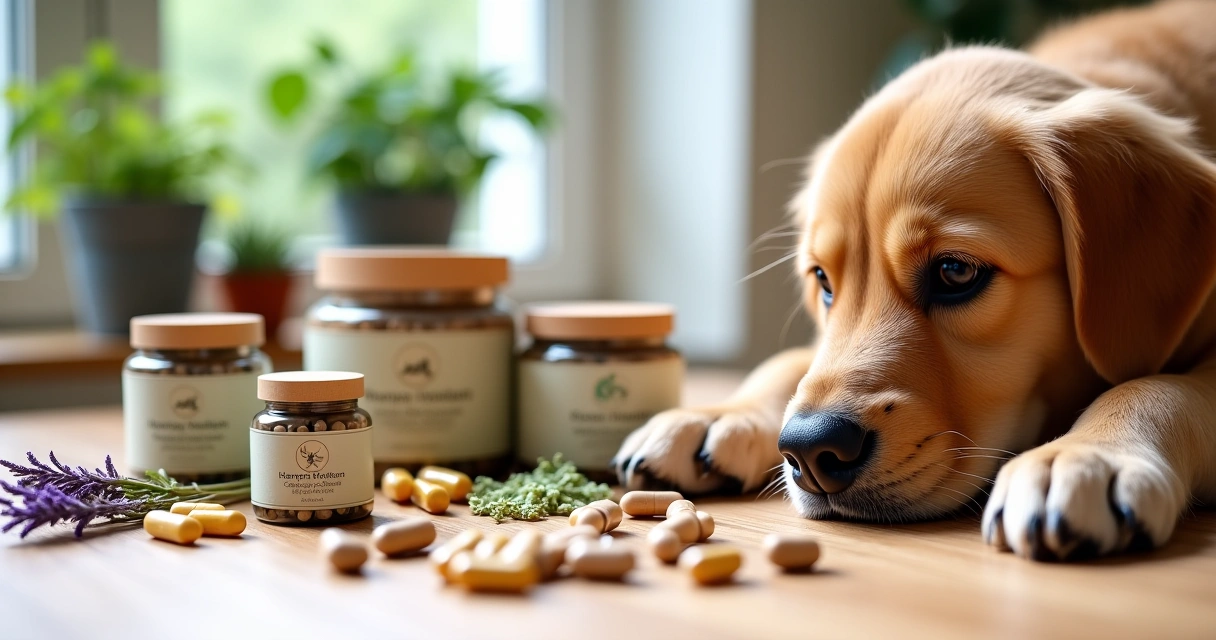
Winter Pet Skincare Natural Protection
Table of Contents
Protect your pet's skin naturally this winter with a combination of topical treatments and dietary support. You'll want to apply coconut oil or natural paw balms to soothe dry patches, and use oatmeal baths for immediate relief from irritation. Keep your pet's diet rich in omega-3 fatty acids through fish oils and maintain hydration with fresh, warm water. Regular brushing helps distribute natural oils, while a humidifier can prevent indoor air from drying out your pet's skin. Don't over-bathe, as this strips essential oils. Understanding these basics sets the foundation for exploring more advanced winter skincare strategies for your furry friend.
Main Points
- Apply natural remedies like coconut oil and aloe vera gel directly to dry skin areas for immediate relief and hydration.
- Use oatmeal baths and chamomile tea soaks to soothe irritated skin and reduce inflammation naturally.
- Supplement pet diets with omega-3 fatty acids and protein-rich foods to support skin health from within.
- Maintain indoor humidity levels using humidifiers to prevent dry skin caused by winter heating systems.
- Regular brushing distributes natural oils throughout the coat while removing dead skin and preventing matting.
Natural Remedies for Pet Comfort
During winter months, your pets need extra care to maintain healthy skin and comfort. You'll find several natural remedies that can effectively protect your pet's skin and promote overall wellness during the cold season.
Start by incorporating coconut oil into your pet's skincare routine. You can massage it directly onto their skin or add it to their food for internal benefits. Ensure your pet has access to fresh, warm water to encourage proper hydration and skin health. Consider regular grooming sessions to help distribute natural oils throughout their coat. The addition of natural supplements like slippery elm can help boost your pet's immune system and overall health. Regular use of hypoallergenic formulas can also improve skin health and comfort. Using bamboo pet massage tools can aid in reducing muscle tension and enhancing blood circulation, which is beneficial during cold weather. Natural paw balms, made with organic ingredients, provide an effective barrier against harsh winter elements and soothe dry, cracked paws.
Aloe vera gel works wonders for soothing irritated areas, while chamomile's anti-inflammatory properties help reduce redness and discomfort. When your pet shows signs of dry, itchy skin, try an oatmeal bath – it's gentle and provides immediate relief from flaking and irritation.
Don't forget about the healing power of steam therapy, which can ease respiratory discomfort caused by dry winter air. Set up a humidifier in your home to maintain ideal moisture levels, and consider using chamomile tea baths for a calming, therapeutic effect.
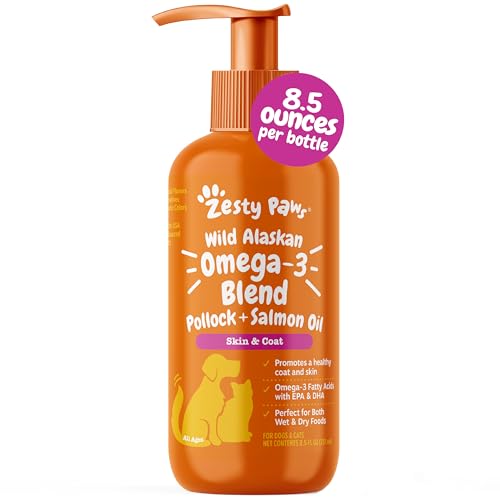
For pets with particularly sensitive skin, you can boost their internal defenses by adding salmon oil to their diet, providing essential omega-3 fatty acids that support skin health from the inside out.
Nourishing Winter Diet Solutions
Winter's colder temperatures demand strategic adjustments to your pet's diet to maintain ideal health and energy levels. You'll need to increase your dog's protein intake through lean meats like turkey, chicken, and fish to support their increased energy demands and maintain muscle health during the cold season. Warming their meals can significantly enhance the food's aroma and appeal to your pet. Wet food options can help ensure proper hydration during winter months.
Focus on incorporating essential nutrients through a balanced combination of animal proteins and healthy fats. Limited ingredient pet food can be beneficial for pets with dietary sensitivities, as it often contains fewer allergens and simpler formulations. Add omega-3 fatty acids through fish oil or flaxseed oil to support your pet's joint health and maintain a healthy coat. Consider using natural dog supplements to further boost your pet's overall health and immune function during the winter. You can enhance their meals with seasonal vegetables like carrots and sweet potatoes, which boost immune function and provide necessary vitamins. Probiotics help support digestive health during dietary transitions. Choosing organic dog food ensures that your pet is consuming high-quality, chemical-free ingredients, which can further enhance their overall health.
Monitor your pet's caloric intake carefully, as they may need additional calories to maintain body temperature during winter. You'll want to adjust portions based on their activity level to prevent unwanted weight gain.
Consider warming their food slightly to increase palatability and incorporate nutrient-rich stews made with ground beef, rice, and vegetables. Remember to avoid harmful ingredients like grapes, garlic, scallions, artificial sweeteners, and chocolate while focusing on wholesome, warming ingredients that support their winter wellness needs.
Essential Winter Grooming Tips
Proper grooming routines become essential safeguards for your pet's health when temperatures drop. You'll need to brush regularly with a suitable brush for your pet's coat type, which helps distribute natural oils and prevents uncomfortable matting. Winter grooming maintains optimal insulation and warmth during cold weather. Regular paw cleaning can reduce the risk of outdoor contaminants entering your home, which is especially important during the wet and muddy winter months.
During winter, your pet's coat changes, so you'll need to adjust your grooming approach accordingly. A diet rich in high-quality fatty acids can enhance your pet's coat health during the colder months. Regular checks of your pet's nose can help identify signs of dryness early. Using winter pet care products can further protect your pet's skin and coat from harsh conditions. Applying a natural pet nose balm can provide additional protection and healing benefits for dry, cracked noses.
When it comes to bathing, reduce the frequency and use moisturizing shampoos followed by pet-safe conditioners to maintain skin health. Don't forget to dry your pet thoroughly to prevent chilling. You can also use a humidifier in your home to help prevent dry skin issues.
Pay special attention to paw care during winter months. Clean your pet's paws after walks to remove ice, salt, and debris. You'll want to trim the hair between paw pads to prevent snow and ice accumulation.
Apply protective balms or coconut oil to prevent paw pad dryness, and consider using booties for added protection during walks.
Don't skip professional grooming appointments, as groomers can spot potential skin issues early and manage dense winter coats effectively. They'll also help you develop a personalized winter grooming routine that suits your pet's specific needs.
Creating Pet-Safe Indoor Environments
A comfortable indoor environment becomes your pet's sanctuary during cold weather months. You'll need to create cozy corners with soft bedding and maintain ideal temperatures to guarantee your pet stays warm and protected. Consider using a thermal blanket setup for essential insulation during colder nights. Regularly check for any potentially dangerous loose cords that could harm your pet. Set up sleeping areas away from drafts and cold surfaces, and consider using heated pet pads for extra warmth. Many pet owners are now turning to sustainable pet products to ensure their furry friends have safe and environmentally friendly options. Look for airtight seals on containers to prevent food spoilage and keep pet food fresh. Bamboo pet feeding bowls are an excellent choice as they are made from sustainable and biodegradable materials.
| Indoor Safety | Comfort Solutions |
|---|---|
| Keep hazardous materials locked away | Place soft fleece blankets in quiet spots |
| Position beds away from heaters | Maintain fresh water supplies |
| Create designated safe zones | Use interactive toys for stimulation |
It's crucial to monitor your pet's activity levels and adjust their diet accordingly. You'll want to keep them mentally stimulated with interactive toys and training sessions while they're spending more time indoors. Teaching your pet new tricks and commands can enhance bonding during indoor time. Create engaging play areas using pillows, tunnels, or indoor agility equipment to maintain their physical activity levels.
Remember to check your heating systems regularly and make sure they're pet-safe. Keep antifreeze and other toxic substances securely stored, and maintain a first aid kit for emergencies. You can make winter months enjoyable for your pet by providing a safe, enriching indoor environment that meets both their physical and mental needs.
Preventive Skincare Measures
Maintaining your pet's skin health during winter requires a multi-faceted approach combining nutrition, topical treatments, and environmental adjustments.
Start by upgrading your pet's diet with high-quality, fish-based foods rich in essential fatty acids. You'll want to supplement their meals with omega-3 and omega-6 fatty acids through products like Simply Wild Salmon Oil or PetHonesty Salmon SkinHealth Chews. Adding zinc and vitamin A can significantly improve coat condition. For added benefits, consider using organic salmon oils sourced from wild-caught Alaskan salmon, which are known for their purity and high Omega-3 content. Many pet owners are turning to green-lipped mussel supplements, which are rich in Omega-3 fatty acids and can further support skin and joint health.
For topical care, apply natural moisturizers like coconut oil or vitamin E oil directly to dry patches. Don't overbathe your pet – it can strip their skin of natural oils. When you do bathe them, use warm water and moisturizing shampoos with oatmeal for gentle cleansing. Keep baths brief and avoid hot water as it can further dry out the skin. Consider using organic shampoo bars, which are often formulated with soothing ingredients like lavender and oatmeal to provide gentle yet effective cleansing.
Between baths, regular brushing will stimulate their skin's natural oil production and remove dead cells. Consider feeding plain unsweetened Greek yogurt daily to support gut health and immunity.
Create a skin-friendly environment by running a humidifier to add moisture to the air. You can prepare soothing treatments like chamomile tea baths or apple cider vinegar rinses for irritated skin.
For outdoor protection, skip harsh ice-melters and opt for dark-colored bird seed for traction. If you notice persistent dry patches, an Epsom salt soak can help exfoliate and soften their skin.
Frequently Asked Questions
Can Indoor-Only Pets Develop Winter Skin Issues?
Yes, your indoor-only pets can definitely develop winter skin issues.
They're commonly affected by dry air from indoor heating, which reduces humidity and moisture in their skin. You'll notice symptoms like flaky skin, excessive scratching, and even hair loss.
Poor ventilation and indoor pollutants can worsen these conditions.
Even though they're protected from harsh outdoor elements, your pets still need special attention to maintain healthy skin during winter months.
How Often Should I Replace Humidifier Filters for Pet Safety?
If you have pets, you'll need to replace your humidifier filters more frequently than usual – about every 6 weeks instead of the standard 3 months.
Pet hair and dander can quickly clog filters, reducing effectiveness and potentially circulating allergens.
Don't try to extend filter life by cleaning with soap; instead, vacuum your home regularly and groom your pets outside to minimize dander buildup.
This will help maintain ideal air quality.
Do Different Breeds Require Different Winter Skincare Approaches?
Just like snowflakes, no two dog breeds are exactly alike in their skincare needs.
You'll find that thick-coated breeds like Huskies have built-in protection, while short-haired pups like Chihuahuas need extra care.
Your breed's specific requirements depend on factors like coat type, size, and genetic predispositions.
If you've got a small or thin-coated breed, you'll want to focus on moisturizing and protection, while thick-coated breeds need regular brushing and humidity control.
When Should I Switch From Natural Remedies to Veterinary Treatments?
You should switch from natural remedies to veterinary treatments when you notice persistent symptoms that don't improve within a few weeks.
If your pet shows signs of excessive scratching, significant hair loss, or skin infections, it's time to seek professional help.
Watch for unusual discharge, strong odors, or changes in your pet's behavior.
Don't wait if you see severe reactions or open wounds – these require immediate veterinary attention.
Are Essential Oils Safe for Treating Pet Skin Conditions?
Like playing with fire, essential oils can be both powerful and dangerous for your pet.
While they've potential benefits, they're not a safe DIY solution for skin conditions. You'll need professional guidance, as many oils are toxic to pets and can cause severe reactions.
Don't apply pure oils directly – they must be properly diluted. Instead, consult your vet first, as they can determine if essential oils are appropriate and safe for your pet's specific condition.