How To Use Aromatherapy For Pet Anxiety
Table of Contents
- Main Points
- Understanding Storm Anxiety in Pets: Signs and Symptoms
- The Science Behind Aromatherapy for Animal Stress Relief
- Safe Essential Oils and Their Calming Properties
- Setting Up Your Pet’s Aromatherapy Safe Space
- Combining Aromatherapy With Other Anxiety Management Methods
- Essential Safety Guidelines and Best Practices
- References
Calm your pet’s storm anxiety naturally by using pet-safe essential oils like lavender, chamomile, and frankincense in a diffuser. Set up a quiet safe space with their favorite bed and toys, then run your diffuser for 10-15 minutes per hour during storms. You’ll also want to dilute oils properly and monitor your pet’s response. When combined with gentle pressure therapy and comfort items, aromatherapy can transform your pet’s storm experience into a more peaceful one.
Main Points
- Create a designated safe space with a diffuser using pet-safe essential oils like lavender or chamomile before storms arrive.
- Monitor pets for anxiety signs during storms and limit diffusion sessions to 10-15 minutes per hour for optimal effectiveness.
- Apply diluted essential oils to pets’ bedding or create a calming spray with lavender and frankincense for their safe space.
- Combine aromatherapy with weighted blankets or pressure therapy to enhance the calming effects during severe weather.
- Start aromatherapy treatment before storm season begins to help pets associate the scents with relaxation and security.
Understanding Storm Anxiety in Pets: Signs and Symptoms
Thunderstorms can trigger intense anxiety in pets, particularly dogs, who display distinct physical and behavioral signs of distress. If you notice your pet panting heavily, drooling excessively, or trembling during storms, these are clear indicators of anxiety. Animals possess super-olfactory abilities that allow them to detect the distinct scent changes in the air before and during storms.
Storm triggers can manifest even before the weather turns severe, as pets are highly sensitive to barometric pressure changes and distant thunder. Dogs can detect approaching storms early because their superior hearing abilities allow them to perceive weather changes before humans can. Changes in the air pressure and humidity often cause pets to become anxious before a storm arrives. This anxiety can worsen over time if left untreated, making early intervention crucial for your pet’s well-being. Some pet owners find success using weighted blankets that provide deep tissue pressure comfort during these stressful situations. During particularly stressful weather events, organic hemp treats can provide additional support when combined with other calming techniques. Studies show that gentle pressure therapy can reduce anxiety symptoms in up to 85% of dogs when properly applied. Supplements containing L-Tryptophan and chamomile can provide natural relief when administered consistently.
Watch for changes in your pet’s behavior, such as hiding under furniture, pacing restlessly, or becoming unusually clingy. Physical symptoms often include dilated pupils, pinned-back ears, and sweaty paws. Your pet might also refuse treats, bark excessively, or have indoor accidents. Natural remedies can help restore your pet’s emotional balance during these challenging times.
Understanding these signs is essential because untreated storm anxiety can lead to long-term issues, including generalized anxiety and a weakened immune system.
The Science Behind Aromatherapy for Animal Stress Relief
While humans have long recognized the calming effects of essential oils, scientific research now confirms that aromatherapy can considerably impact animals’ nervous systems and behavior patterns.
Your pets actually have more sensitive olfactory receptors than you do, making them particularly responsive to essential oils’ therapeutic properties.
Studies show that aromatherapy works by interacting with your pet’s nervous system to restore balance and reduce stress hormones like cortisol. Essential oil diffusers offer a safe and effective way to dispense calming scents throughout your home.
Most pets show 90% effectiveness within two weeks of consistent aromatherapy use.
When animals inhale these oils, it triggers positive changes in their brain chemistry, leading to improved mood and decreased anxiety-related behaviors.
For optimal results, experts recommend applying calming oils every 4-6 hours during particularly stressful events like thunderstorms.
Ultrasonic diffusion methods are preferred over heat-based options to maintain the therapeutic integrity of the oils and prevent harmful compounds from being released.
A recent veterinary study found that cats exposed to lavender aromatherapy showed statistically significant reductions in stress-related behaviors compared to untreated cats.
Research has documented significant reductions in stereotypic behaviors and agitation across various species, from household pets to zoo animals. Recent studies on solitary carnivores demonstrated that oils like Lavandula angustifolia produced notable decreases in stress behaviors.
You’ll find this particularly relevant during storms, as aromatherapy can help regulate your pet’s stress response and promote a sense of calm.
Always ensure you select natural essential oils that are specifically formulated and safe for use around pets.
Most diffusers provide 700 square feet of effective coverage, making them suitable for most living spaces.
Safe Essential Oils and Their Calming Properties
When selecting essential oils for your anxious pet, it’s crucial to choose options that are both safe and effective for their species. Among various calming techniques, essential oil blends have proven particularly effective during storms and stressful situations. The GABBA effect of these oils helps regulate your pet’s nervous system naturally. For optimal results, consider using a Pet-Friendly Aromatherapy Essential Oils Collection that contains carefully selected oils suitable for furry companions. Always consult a veterinarian before starting any aromatherapy treatment plan to ensure safety and proper dosing. Using secured diffusers in designated areas allows for safe aromatherapy sessions while keeping the devices out of your pet’s reach. Ancient Egyptians first discovered the calming properties of essential oils around 4,500 B.C. Natural pheromone diffusers can complement aromatherapy for enhanced anxiety relief. Aromatherapy benefits have been recognized in veterinary care for centuries. Gentle remedies offer a natural approach to managing your pet’s stress levels. Holistic treatment options can provide lasting relief for pets suffering from seasonal allergies.
| Essential Oil | Best For |
|---|---|
| Lavender | Dogs & cats, sleep support |
| Chamomile | Digestive stress, muscle tension |
| Frankincense | Deep relaxation, fear response |
| Bergamot | Dogs only, emotional balance |
| Cedarwood | Dogs, insect prevention |
You’ll find lavender and chamomile particularly versatile, as they’re safe for both dogs and cats when properly diluted. For enhanced results, try combining lavender with frankincense to create a powerful calming blend. If you have cats, avoid bergamot and stick to feline-safe options. Remember that cedarwood offers the added benefit of natural pest control while promoting relaxation.
Setting Up Your Pet’s Aromatherapy Safe Space
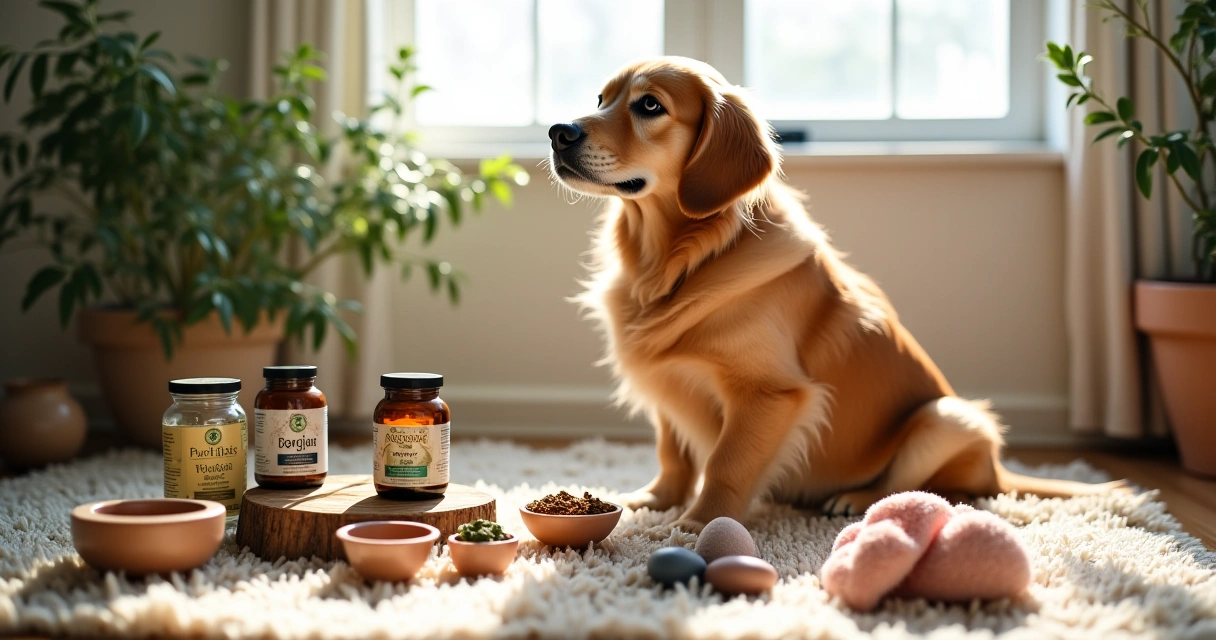
Creating a dedicated aromatherapy space lets your pet fully benefit from their calming oil treatments. Choose a quiet, enclosed area that your pet already finds comfortable, ensuring they can freely enter and exit. Interior rooms away from windows provide storm sound protection.
Set up their favorite bed or blanket as the foundation of their safe space, and add familiar toys to enhance their sense of security. Following the valerian root formula can help with non-sedating relaxation. Pay close attention to your pet for any signs of agitation or distress when first introducing essential oils to the space. Natural ingredients like Aloe Vera extract provide additional soothing benefits for anxious pets. Applying enzyme-based formulas can help neutralize existing pet odors that may cause stress. Chamomile and cedarwood are among the safest essential oils to use for calming anxious pets. A few spritzes of vet-recommended sprays can provide immediate anxiety relief during stressful situations. Using a quality pet-safe diffuser like Aera ensures your space remains free of residue. Consider adding a ThunderEase diffuser kit to release calming pheromones that help reduce separation anxiety and stress barking.
To establish a calming environment, use soft lighting and gentle background sounds while keeping the area clutter-free. Position your cold-air diffuser out of your pet’s reach, and opt for intermittent diffusion settings.
Monitor your pet’s response when they first use the space, limiting initial sessions to 15-30 minutes. Remember to maintain proper ventilation, consistent temperature, and always provide fresh water.
Regular cleaning will help preserve the space’s effectiveness.
Combining Aromatherapy With Other Anxiety Management Methods
Since aromatherapy works best as part of a thorough anxiety management plan, combining it with other calming techniques can maximize its effectiveness for your pet. You’ll see the best anxiety management results when you pair aromatherapy benefits with proven behavioral and environmental strategies. Thunder and lightning commonly trigger heightened anxiety responses in pets, making a multi-faceted approach essential. Creating and following regular daily routines helps pets feel more secure during stressful weather events. Natural Calm products are especially effective for felines experiencing stress. Providing 2-3 brisk walks each day helps expend excess energy that could amplify storm-related stress. Apply the solution by spraying it on your dog’s chest area directly for optimal calming effects. Natural herbal remedies can provide gentle support while minimizing side effects common with medications. Maternal pheromones have been shown to effectively reduce anxiety in up to 90% of dogs within two weeks. Using a weighted blanket design can provide deep pressure comfort to help pets feel more secure during storms. Alternative pet treatments have gained popularity as gentle options for managing pet anxiety.
| Aromatherapy Method | Complementary Technique |
|---|---|
| Essential oil diffuser | Pressure wrap or anxiety shirt |
| Calming pheromones | White noise machine |
| Herbal sachets | Designated “storm sanctuary” |
| Therapeutic scents | Positive reinforcement training |
Consider using aromatherapy alongside physical comfort methods like massage therapy or a cozy safe space. You can also enhance its effects by implementing behavioral techniques such as desensitization training or distraction with puzzle toys. For severe cases, don’t hesitate to consult your veterinarian about combining aromatherapy with professional interventions or supplements.
Essential Safety Guidelines and Best Practices
Safe application of aromatherapy can make the difference between helping and harming your pet. Before starting any essential oil regimen, consult your veterinarian to discuss your pet’s health and get specific recommendations for pet-safe oils and proper dilution ratios.
Remember that pets sense smells much more intensely than humans do, so what seems mild to you could be overwhelming for them. When using aromatherapy for your pet’s anxiety, choose gentle oils like lavender or chamomile, and always dilute them properly with carrier oils. Proper ventilation is crucial when diffusing oils to ensure your pet’s safety and comfort.
Never apply undiluted essential oils directly to your pet’s skin. For diffusion, limit sessions to 10-15 minutes per hour in well-ventilated spaces, ensuring your pet can leave the area if they’re uncomfortable.
Watch closely for signs of adverse reactions, including drooling, panting, or skin irritation. If you notice any concerning symptoms, stop using the oils immediately and contact your veterinarian.
References
- https://www.southernoak.com/pet-anxiety/
- https://greenelementcbd.com/pages/pet-anxiety-2022
- https://www.patriciamcconnell.com/theotherendoftheleash/aromatherapy-for-dogs
- https://www.showseasongrooming.com/products/thunderstorm-immediate-response-pet-spray
- https://todaysveterinarypractice.com/behavior/noise-storm-phobias-anxiety-in-dogs/
- https://coynevetcare.com/blog/keep-your-dog-calm/
- https://riversideanimalclinic.net/2023/04/05/take-steps-to-calm-your-dog-during-thunderstorms-natural-remedies-for-thunderstorm-anxiety-in-dogs/
- https://www.humanesociety.org/sites/default/files/docs/your-pet-finding-calm-in-storm.pdf
- https://aromahead.com/blog/using-aromatherapy-safely-with-pets-acp
- https://www.earthbuddypet.com/eb-blog/how-to-calm-a-dog-during-thunderstorm/
- https://shallowfordvet.com/dog-storm-anxiety/
- https://www.vet.upenn.edu/docs/default-source/ryan/ryan-behavior-medicine/fear-of-thunderstorms-amp-fireworks-(pdf).pdf?sfvrsn=c15e17ba_2
- https://www.bluecross.org.uk/advice/dog/behaviour-and-training/dogs-and-thunderstorms
- https://atlantahumane.org/blog/how-to-relieve-storm-anxiety-in-your-dog/
- https://www.rover.com/blog/dog-storm-phobias/
- https://ask.metafilter.com/378653/What-helps-your-anxious-dog-during-thunderstorms
- https://pethealthctr.com/storm-anxiety-in-pets/
- https://www.postconsumerbrands.com/news/how-to-calm-dog-during-storm/
- https://www.wildlife-biodiversity.com/index.php/jwb/article/view/630
- https://www.wildlife-biodiversity.com/index.php/jwb/article/download/630/621/2359
See Also
Frequently Asked Questions
How do I choose the safest essential oils for my pet's anxiety during a storm?
Select only vet-approved, pet-safe options like lavender, chamomile, and frankincense, avoiding toxic citrus or pine varieties. Always use a high-quality diffuser designed for animals to ensure proper dilution and ventilation.
What is the best way to set up a calming safe space for my dog before a thunderstorm?
Create a quiet zone with their favorite bed, toys, and a pet-safe diffuser running for 10-15 minutes per hour. Position this area away from windows to reduce visual stimuli that trigger fear.
How do I use aromatherapy effectively without overwhelming my cat or small dog?
Start with a low setting on your diffuser and monitor your pet's reaction closely, as cats are particularly sensitive to strong scents. If they show signs of distress, remove the device immediately and try a milder blend later.
Is it worth investing in a specialized pet diffuser instead of a standard one?
Yes, specialized diffusers often feature timers and lower output settings that prevent over-saturation of the air, which is crucial for sensitive animals. They also ensure the essential oils are dispersed evenly without creating harsh fumes.
How do I know if my pet is reacting negatively to the aromatherapy treatment?
Watch for signs like excessive panting, hiding, dilated pupils, or attempts to leave the room immediately. If these symptoms appear, stop the diffusion session and consult your veterinarian before trying again.
What is the best frequency for running a diffuser during a severe storm season?
Run the diffuser in short bursts of 10-15 minutes every hour to maintain a calming atmosphere without saturating the environment. This intermittent approach keeps the scent gentle and effective throughout the duration of the storm.
How do I choose between different types of pet-safe essential oil blends for anxiety?
Look for pre-mixed blends specifically formulated for canine or feline stress relief, which guarantee safe ratios of ingredients like frankincense and vetiver. Custom mixing requires precise knowledge of dilution rates to avoid accidental toxicity.